Listen to this article in summarized format
×
Subscribe to

Unlock AI Briefing and Premium Content
New Year Offer 24 Hours Left
Subscribe NowAlready a member? Sign In
What's Included
- Exclusive Stories
- Daily ePaper Access
- Smart Market Tools
- Curated Investment Ideas
- Ad-lite Experience
Subscription

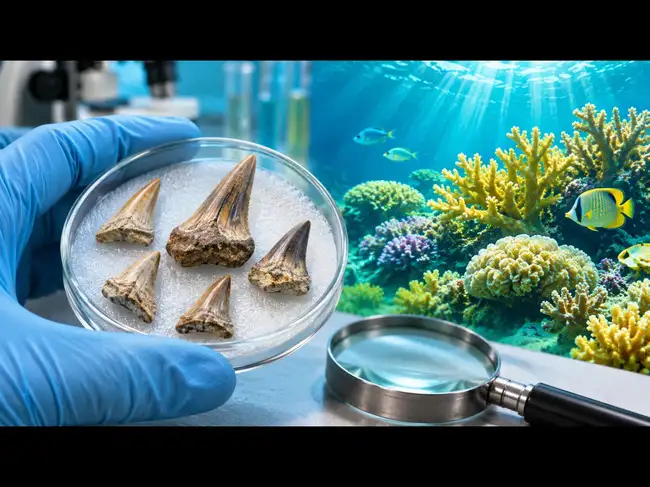
Scientists studied 3000 years of fish teeth. What they discovered could help save coral reefs (AI Image)
Coral reefs are celebrated for their vibrancy but not all organisms which can attach themselves to a reef are beneficial. Algae can also attach itself to a reef, which is bad news as it limits the area available for coral to grow. Too much algae can then lead to reef transformation.
One creature which aids in limiting algae levels is a fish whose teeth resemble a parrot’s beak.
Scientists have analysed the fossilised teeth of fish and have shown that parrotfish have aided the development of coral reefs, even prior to large-scale fishing in the Caribbean.
A study, published in Nature Communications on January 23 2017, analysed reef data spanning 3,000 years. It identified that reefs typically developed more quickly when parrotfish levels were higher.
Although algae may appear innocuous, it does battle with coral for both space and light. Without sufficient numbers of algae-feeding creatures, algae can proliferate and this can hinder coral development.
Parrotfish assist in limiting algae levels and therefore enhance the likelihood of coral flourishing.
It was already recognised that parrotfish were significant within a reef environment, scientists were keen to discover whether they had always been so, even prior to large scale fishing activity in the Caribbean.
They obtained lengthy underwater sediment cores. These samples contained not only micro-fossilised fish teeth but also pieces of coral and sea urchin exoskeleton. The earliest samples dated back to approximately 997BC and the most recent extended through to the 1980s.
Analysing the various strata enabled scientists to both infer fluctuations in parrotfish numbers and assess reef deposition rates. Essentially, these cores acted as a ‘time capsule’, illustrating past events on a reef, predating human involvement in fish population monitoring.
This re-enforced that it is the high levels of parrotfish which are likely to have led to rapid reef development, as opposed to parrotfish simply responding to a healthy reef.
Whilst sea urchins are also algae consumers, the scientists analysed fossilised urchin material. However, in the analysed reef data, urchin numbers did not have the same impact on reef development as parrotfish.
In general, Caribbean reefs have become increasingly algal covered. Coral disease and also rising sea temperatures have compounded this issue.
This study does not suggest that erosion of parrotfish numbers is solely responsible for reef degradation, it does emphasise that the impacts of fishing can extend beyond the direct effect on fish populations.
However, there are still numerous challenges facing coral reefs including thermal stress. Hence, although parrotfish conservation can be highly relevant, it is not a panacea.
Importantly, however, the fossil data illustrates that for thousands of years, a particular fish species has assisted in dictating how a reef develops by feeding on algae. So, if excessive numbers of such fish are removed, a reef can be affected.
One creature which aids in limiting algae levels is a fish whose teeth resemble a parrot’s beak.
Scientists have analysed the fossilised teeth of fish and have shown that parrotfish have aided the development of coral reefs, even prior to large-scale fishing in the Caribbean.
A study, published in Nature Communications on January 23 2017, analysed reef data spanning 3,000 years. It identified that reefs typically developed more quickly when parrotfish levels were higher.

What is it about parrotfish teeth that is so significant for reefs?
Parrotfish utilise their parrot-beak-like teeth to rasp algae off hard surfaces. Occasionally they will even rasp parts of the reef as they do this.Although algae may appear innocuous, it does battle with coral for both space and light. Without sufficient numbers of algae-feeding creatures, algae can proliferate and this can hinder coral development.
Parrotfish assist in limiting algae levels and therefore enhance the likelihood of coral flourishing.
It was already recognised that parrotfish were significant within a reef environment, scientists were keen to discover whether they had always been so, even prior to large scale fishing activity in the Caribbean.

How was 3,000 year’s worth of fish teeth analysed?
Members of the Scripps Institution of Oceanography (part of the University of California San Diego) investigated three reefs in the area of Bocas del Toro, Panama.They obtained lengthy underwater sediment cores. These samples contained not only micro-fossilised fish teeth but also pieces of coral and sea urchin exoskeleton. The earliest samples dated back to approximately 997BC and the most recent extended through to the 1980s.
Analysing the various strata enabled scientists to both infer fluctuations in parrotfish numbers and assess reef deposition rates. Essentially, these cores acted as a ‘time capsule’, illustrating past events on a reef, predating human involvement in fish population monitoring.
What did the fossilised fish teeth show?
There appeared to be a distinct link between periods of high parrotfish numbers and times of fast reef development. Scientists applied a specialist statistical technique which analyses causal links within intricate environments.This re-enforced that it is the high levels of parrotfish which are likely to have led to rapid reef development, as opposed to parrotfish simply responding to a healthy reef.
Whilst sea urchins are also algae consumers, the scientists analysed fossilised urchin material. However, in the analysed reef data, urchin numbers did not have the same impact on reef development as parrotfish.
Why has Caribbean coral development faltered?
Fossil data suggests that diminishing parrotfish numbers pre-dates the latest phase of Caribbean reef degradation. As fishing intensified, there were fewer algae-consuming fish and so reefs were no longer effectively cleared.In general, Caribbean reefs have become increasingly algal covered. Coral disease and also rising sea temperatures have compounded this issue.
This study does not suggest that erosion of parrotfish numbers is solely responsible for reef degradation, it does emphasise that the impacts of fishing can extend beyond the direct effect on fish populations.
Can parrotfish conservation aid coral reef restoration?
Scientists feel that conserving parrotfish is a key element in safeguarding coral reefs. Reducing overfishing may enable greater numbers of algae-grazing fish to exist, therefore preventing algae overgrowth.However, there are still numerous challenges facing coral reefs including thermal stress. Hence, although parrotfish conservation can be highly relevant, it is not a panacea.
Importantly, however, the fossil data illustrates that for thousands of years, a particular fish species has assisted in dictating how a reef develops by feeding on algae. So, if excessive numbers of such fish are removed, a reef can be affected.
Add  as a Reliable and Trusted News Source
 Add Now!