
PARROTFISH
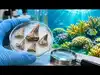
Scientists studied 3000 years of fish teeth. What they discovered could help save coral reefs
Scientists studying ancient fish teeth from Caribbean coral reefs discovered an important connection between parrotfish populations and coral growth. A 2017 study examined 3,000 years of fossil records and found that reefs grew faster when more algae-eating parrotfish were present.
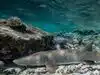
79 years ago, 23 US nuclear tests devastated Bikini Atoll; 70 years later, Stanford University reserachers found giant corals, sharks and tuna thriving in its crater
In 1946, the US began nuclear testing at Bikini Atoll, conducting 23 explosions that displaced all the inhabitants and destabilised the coral reef. But 70 years later, scientists discovered thriving marine life, including giant corals, tuna, sharks, crabs and reef fish. More recent expeditions found giant clams, sea turtles, groupers and parrotfish flourishing.
In 2007, the Neptune Memorial Reef began growing off Florida with cremated remains; the planned 16-acre site later developed into a coral habitat
An innovative underwater cemetery presents a novel burial alternative, where cremated remains are encased in concrete structures designed to facilitate coral growth. This initiative has evolved into one of the largest artificial reefs globally, fostering marine habitats while countering ecological deterioration. It strikes a balance between human customs and environmental stewardship, showcasing how traditional practices can support conservation efforts.
In 2006, an artist installed 75 human figures off Grenada after a hurricane damaged its reefs; corals later colonized them alongside parrotfish, shrimp and fireworms
After Hurricane Ivan wreaked havoc on Molinere Bay's coral reefs in Grenada, expert efforts saw the installation of concrete sculptures. A recent analysis found that these artificial reefs are nurturing coral growth similar to their natural counterparts. Fire coral tends to proliferate on these structures initially, while the presence of parrotfish indicates a thriving reef community.
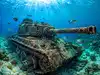
In 2010, Thailand lowered 25 retired battle tanks into 80 feet of water off Narathiwat; a decade later, local fishermen reported a sharp boost in catches
Thailand's army sank obsolete battle tanks and railway cars into the Gulf of Thailand. This initiative aimed to create new fishing grounds for local fishermen. Marine life has since thrived on these structures, attracting various fish species. Studies elsewhere show artificial reefs can significantly increase fish catches and income. This project demonstrates repurposing military equipment to rebuild livelihoods effectively.
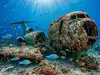
In 1993, Miami lowered a retired Boeing 727 called Spirit of Miami into the sea; a storm split it apart a year later, and coral, oysters, and fish moved in
The Spirit of Miami, a retired Boeing 727, now lies submerged beneath the waves, purposefully sunk to provide an ecological haven. The devastation caused by Tropical Storm Gordon split the aircraft, revealing the ocean's ferocity. Nevertheless, both pieces play host to thriving marine life, including corals and fish. Scientists actively research these underwater wrecks, focusing on their environmental contributions and insights for upcoming reef constructions.
- Go To Page 1
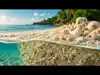
Science says sand isn’t always made from rocks: Some beaches are built from the remains of living things
The next time you stroll along a white tropical beach, remember that the sand beneath your feet may have a far more complex origin than eroded mountains or ancient rocks. Some grains may have traveled through coral reefs, formed within microscopic organisms, broken away from algae or even been created through the feeding activity of fish.
How to Fish: Complete guide to every fish, creature, island, bait and rod
How to Fish offers detailed mechanics for catching diverse aquatic creatures across five distinct islands. Players must match specific rods and baits to successfully catch each species. New equipment and rarer species become available as players progress through the islands. Boss encounters present the toughest challenges, requiring dedicated boss lures for success. Progression unlocks new areas and introduces more complex fishing mechanics for players.
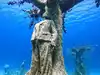
In 2021, Cyprus submerged 93 sculptures to create an underwater forest; concrete trees rise from the seabed at different depths
An underwater sculpture park in Cyprus offers a unique habitat for marine life. This art installation, MUSAN, features concrete figures and trees on the seafloor. Scientists are observing marine life colonizing these structures, which is a positive sign. The Mediterranean faces significant climate threats, making such conservation efforts crucial. MUSAN aims to preserve marine ecosystems and raise awareness about ocean value.
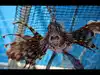
In 1985, the first invasive lionfish spotted off Florida after aquarium release; in three decades, they spread from Gulf of Mexico to the southern Caribbean
The invasive lionfish, first introduced in the 1980s, has quickly proliferated across the Western Atlantic, extending its reach from Florida through the southern Caribbean. With its rapid reproductive rate and predatory efficiency, it threatens native reef fish and ultimately jeopardizes coral health and coastal ecosystems. To safeguard marine habitats, early detection and effective regional management strategies are imperative.
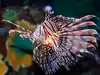
In 1985, the first invasive lionfish was spotted off Florida after aquarium releases; within decades, it had spread across much of the Caribbean and US Atlantic coast, devastating reef fish that had no natural defense against it
A single lionfish spotted in Florida in 1985 has spiraled into one of the most alarming marine invasions. These venomous, fast-reproducing Indo-Pacific fish, likely released from aquariums, have decimated native fish populations across the Western Atlantic and Caribbean. Their unchecked spread threatens vital fisheries and coral reefs, impacting economies that millions depend on. Eradication is unlikely, with focus now on management and developing a market for lionfish as food.

An all-inclusive resort for $2,000 per night? People are paying it
These ultra-expensive spots still represent a small slice of the industry, which remains dominated by such big brands as Sandals, Paradisus and Club Med. According to STR, a global hospitality data and analytics company, the average daily room rate for luxury all-inclusives is $375, up from $276 three years ago. Here are a few of the latest luxury resorts to radically rethink the all-inclusive sector, from Arizona to the Maldives.

Fly high above the hills, go deep & explore the seabed: Top destinations for adventure sports in India
Feel the spirit of being alive by indulging in adventure sports on your next vacation.
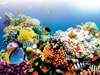
Off Goa’s coast, India’s hidden coral gem
About 18,000 years ago, there were coral reefs along the west coast of India. These were lost after sea levels began rising rapidly following the last glacial ice melt. Scientists believe that later some reefs started growing near the Indian coast, but the change of climate to monsoon type about 6,000 years ago killed those as well.

Of sleepy hamlets and fifty shades of blue: Visit Koh Kood, Thailand's last unspoilt, untamed island
What boggles the mind is Koh Kood’s untamed beauty — glistening rainforests, coconut and rubber plantations.

When in Seychelles, explore the marine parks & unwind the spectacular views!
In Seychelles, sea life is a protected asset and tourists can witness a storehouse for marine biodiversity.

The underwater life: Try snorkelling in Mexico, French Polynesia & Belize
Don a mask, spot rare coral reefs and marine life in crystal-clear shallow waters.

Dive deep under the oceans with Google Street View
Google has recently released a bunch of gorgeous new images of ocean life as part of its Street View feature in Maps.

Bold and Wild: Most thrilling adventure tourism destinations
Plan a vacation to Australia, introduce your kids to snorkelling and marine life, and cycle through the mountains of Bosnia and Herzegovina.
Load More

