
CORAL REEFS
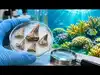
Scientists studied 3000 years of fish teeth. What they discovered could help save coral reefs
Scientists studying ancient fish teeth from Caribbean coral reefs discovered an important connection between parrotfish populations and coral growth. A 2017 study examined 3,000 years of fossil records and found that reefs grew faster when more algae-eating parrotfish were present.

Rats are changing life underwater without entering the sea. A new study explains how
A 2026 study found that invasive rats on tropical islands are affecting marine life by destroying seabird colonies. Researchers discovered that coral reefs near rat-free islands have more tiny fish, while reefs near rat-infested islands have a greater proportion of crabs and other small invertebrates.
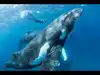
Giant whales migrating from Alaska to Hawaii are doing more than traveling thousands of miles across the Pacific Ocean; scientists discovered how their urine and waste transport vital nutrients to tropical waters
Giant whales do much more than travel across oceans. Scientists have discovered that their urine helps carry nutrients to tropical waters. A 2025 study found that migrating whales transport around 4,000 tons of nitrogen each year, helping support marine ecosystems.
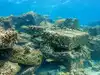
In 2018, Florida reused 6,000 tons of concrete from the old Southern Boulevard Bridge to create a 1.7-acre artificial reef in Lake Worth Lagoon
An old bridge in Florida was demolished, and its concrete was transformed into an artificial reef. The project utilized 6,000 tons of recycled concrete to enhance marine habitat. Workers carefully arranged the debris underwater to form stable structures that attract fish. This initiative aimed to improve local fisheries and support biodiversity in Lake Worth Lagoon. Future constructions related to the bridge will continue to contribute materials for the reef.
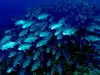
Cornell scientists studied how 2,839 fish species swim together; their analysis found group swimming evolved around 60 times but disappeared about 320 times
A comprehensive study on fish collective movement has found that this behavior has independently evolved across numerous species over time. Surprisingly, about 79 percent of fish utilize collective movement, while others favor solitary habits. However, certain species have abandoned collective traits, likely due to the challenges of heightened food competition and disease risks. This research highlights the intricate evolution of social behavior within marine ecosystems.

Environmental protection, development must advance together: Bhupender Yadav at COP31
At COP31 in Turkiye, India's Union Environment Minister Bhupender Yadav detailed the nation's strategy for climate resilience. He stressed the significance of collaborating with Small Island Developing States on coastal risk management and ecosystem conservation. Yadav outlined four priority focus areas for strengthening partnerships, such as technology exchange and capacity enhancement.
- Go To Page 1
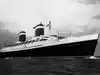
This ocean liner was the world's fastest. It's being sunk to make the largest artificial reef
The SS United States is scheduled to be sunk off the coast of Florida on Wednesday. This project aims to create the largest artificial reef, attracting divers and fishermen. The ship once set speed records and carried many famous passengers during its voyages. Preparations for the sinking involved removing specific features to facilitate its descent.
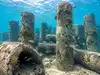
In 2020, Miami sank 73 concrete sections from the SW 1st Street Bridge to create an artificial reef; the pieces now provide habitat 8 feet above the seabed
In an innovative environmental move, Miami-Dade County has submerged sections of a demolished bridge to form artificial reefs. This effort is designed to foster diverse marine life, including fish, sponges, and corals. While studies indicate that concrete is superior for building these reefs, they still fall short of the biodiversity found in natural settings. This undertaking could inspire similar projects in coastal cities nationwide.
MIT scientists built over 400 tiny ecosystems with 12 to 20 bacterial species; after adding an outsider, the more changeable communities were easier to invade
Researchers at MIT have discovered that chaotic ecosystems easily accept new species while stable ones resist invasion. Conventional ecological beliefs suggest high biodiversity prevents invasions, but stability plays a crucial role. This finding has implications for the effectiveness of probiotic supplements in human gut microbiomes. Individuals with more stable guts may struggle to welcome beneficial probiotics. Future studies will further explore these dynamics and their relevance in wellness treatments.
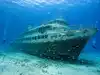
In 2025, the 867-ton Spirit of Norfolk was sunk off Florida’s Okaloosa County coast; the former dinner cruise ship now rests 128 feet underwater
In June 2022, the Spirit of Norfolk, a dinner cruise vessel, suffered a devastating fire and was declared unusable. Following a period of storage, Okaloosa County acquired the ship with a unique plan: to intentionally sink it 128 feet below the surface, creating an artificial reef. This innovative project supports marine ecosystems in line with Florida's commitment to improving underwater habitats through repurposed ships.
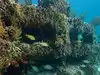
An artificial reef can do more than attract fish: How a 125-acre underwater project could reshape North Carolina's coastal ecosystems
An artificial reef will be constructed in North Carolina's Albemarle Sound, scheduled for development soon. This project aims to create shelter, feeding opportunities, and spawning habitats for local marine life. By utilizing materials from the Alligator River Bridge, the reef will cover an area of 125 acres. Although the initiative will increase habitat availability, its effectiveness in boosting fish populations is uncertain.
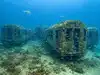
In 1990, New Jersey placed five retired subway cars in a reef about 70 feet underwater; a decade later, they still provided three-dimensional structure
In an innovative move, decommissioned subway cars were submerged off the Jersey Shore, transforming them into artificial reefs. These underwater habitats not only shelter marine life but also enhance biodiversity in the region. Research shows that fish and invertebrates flock to these structures shortly after their installation. However, concerns have emerged regarding potential sinking and contamination, highlighting the complexities of turning waste into environmental assets.
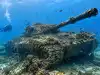
In 1994, Florida deployed seven retired M60 tanks as reefs off Pensacola; a 2000 inspection found them still in their original positions on the seafloor
The state of Florida creatively utilized retired M60 tanks by turning them into artificial reefs for marine habitats. This innovative initiative began in 1994 and involved extensive preparation before deploying the tanks underwater. Marine life benefits from these structures, which provide stability and protection as they develop ecosystems over time. Inspections revealed that the tanks remained in their original locations, enhancing local biodiversity.
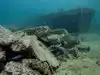
In 2015, Maryland placed 5 barge loads of concrete rubble around a sunken barge off Taylor’s Island; the debris was intended to add height, surface area, and shelter for fish
Off the coast of Taylor's Island, Maryland, a barge has sunk, transforming the seafloor into a barren landscape. In response, Maryland's Artificial Reef Program has strategically placed concrete rubble to stimulate marine life and fish populations. Initial research suggests a notable uptick in local flounder fishing, though continued research will be crucial to assess the long-term benefits and sustainability of this artificial reef initiative.
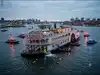
Alabama has the largest artificial reef system; ship containing 1,700 slot machines and 100 military tanks provides shelter to marine life and attracts eco-tourism
In July 2026, the Argosy VI, previously a floating casino, was intentionally sunk to create an artificial reef as part of Alabama's commitment to fostering marine ecosystems. The state has been building a robust network of underwater habitats utilising diverse materials, such as decommissioned military tanks and retired ships. Meticulous measures were taken to prioritise environmental safety during the sinking process, supporting marine life and boosting regional tourism.
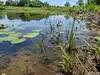
Scientists set up 45 artificial ponds near St. Louis and studied them for 7 years; even when ponds got the same species, the order they arrived changed the outcome
A recent examination of 45 plastic cattle tanks has shed light on the significant role that species arrival order plays in biodiversity. Tanks with low nutrients exhibited similar communities irrespective of this order, while high nutrient tanks presented diverse variations. This phenomenon, termed the priority effect, has implications for community stability and ecosystem restoration efforts, cautioning restoration ecologists against presuming automatic self-repair in nutrient-rich habitats.
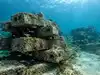
In 2026, Texas deployed 400 tons of concrete railroad ties off Port O’Connor; the material was arranged into two piles at an artificial reef site
In April 2026, Texas took a significant step by deploying 400 tonnes of concrete railroad ties to form two artificial reef piles. This project is designed to transform the flat bottom of the Gulf into a thriving habitat for marine life. Researchers are closely examining how these artificial reefs influence fish communities, with valid concerns about potential fish migration from other regions.
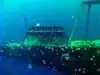
In 2022, Miami sank 345 tons of concrete from a demolished waterfront pier instead of dumping it; the rubble became a reef rising 8 feet from the seafloor
Miami-Dade County has developed an innovative approach by creating artificial reefs using demolished concrete. The materials from Bentley Bay Pier were repurposed and deployed at Julia Tuttle Artificial Reef Site. This project enhances marine habitats and promotes ecological growth beneath the ocean waves. It reflects a shift towards environmentally conscious decision-making in urban infrastructure. Such initiatives demonstrate the potential for old materials to support marine conservation efforts.
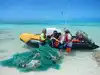
Hawaii’s abandoned fishing nets once trapped marine life; now they are being turned into electricity
Since 1996, Hawaii has successfully collected 848 metric tons of abandoned fishing nets, significantly reducing marine pollution. These nets are skillfully processed at an energy plant, transforming waste into usable electricity. This innovative initiative, supported by collaboration among government and fishermen, not only cleans our oceans but also promotes renewable energy. Moving forward, it is essential to focus on preventing marine debris and improving waste management practices.
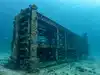
In 2020, New Jersey deployed a 150-foot steel caisson gate in 125 feet of water; the structure extends 30 feet above the seabed and is expected to last more than 75 years
Underwater at Deepwater Reef in New Jersey, a caisson gate has been installed to form a new artificial reef. Designed to nurture marine biodiversity, this structure is expected to attract over 150 different species, from lobsters to crabs. Former studies suggest that creating artificial reefs can improve local fish populations when adequately maintained.
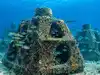
In 2004, Texas sank 152 discarded concrete power poles weighing 1,457 tons in the Gulf; the unusual load became an artificial reef 130 feet underwater
In 2004, an innovative project transformed discarded concrete utility poles into an artificial reef within the Gulf of Mexico. A total of 152 poles were strategically placed to aid marine habitat growth at Matagorda Island-712. By providing surfaces for marine organisms to cling to, this initiative significantly boosts local biodiversity, showcasing the potential of repurposing waste materials. Texas remains committed to establishing artificial reefs that foster thriving marine communities.
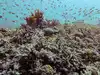
Almost all coral reef ecosystems face risk of collapse in 50 years, study warns
The world’s coral reefs are critically endangered due to rising ocean temperatures and climate change. This poses a significant threat to marine biodiversity and coastal communities. Nearly all shallow-water reef systems could collapse by 2075 without intervention. Experts emphasize the need for ambitious emissions reductions and improved protection efforts. The IUCN report serves as a crucial reminder of the urgent action needed to protect coral ecosystems.
World falling 'dangerously short' on climate action, warns UN
Global commitments to reduce greenhouse gas emissions are insufficient, threatening to push temperatures up to 2.6C by 2100. The UN warns that current climate pledges will not meet the agreed Paris goals, with dire consequences expected. Major emitters must take immediate action to significantly lower emissions, as a leadership gap remains evident. Climate impacts are already being felt worldwide, affecting all countries, including the United States.

Florida scientists use ‘coral IVF’ to save dying reefs as 1.5 million embryos offer new hope: How this process works
Florida scientists are using a technique called “coral IVF” to restore damaged reefs, producing more than 1.5 million coral embryos in a major 2026 effort. The scientists are utilizing coral IVF to rejuvenate coral reefs. By skillfully harvesting and fertilizing coral gametes, they've produced resilient embryos. These embryos thrive in carefully monitored settings until they develop into healthy young corals.
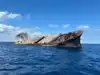
Florida sinks abandoned 227-foot ship to create artificial reef off Atlantic coast; How the Borocho ship helps rebuild marine life
The Borocho, a retired cargo ship, has been purposefully sunk off the Florida coast to establish an artificial reef, a project concluded in November 2025. Funded by the Florida Fish and Wildlife Conservation Commission and Martin County, this initiative seeks to foster marine biodiversity and promote recreational diving opportunities, highlighting an innovative approach to environmental conservation through the repurposing of abandoned vessels.
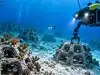
Apple Fellow Phil Schiller and his wife donate $25 million to help protect coral reefs across the world; How their gift will fund new research
Phil Schiller and Kim Gassett-Schiller announced a $25 million donation to the Woods Hole Oceanographic Institution. This funding aims to establish the Schiller Centre for Reef Solutions, which focuses on protecting coral reefs. Researchers will investigate reef health and test practical interventions for better conservation results. The donation addresses the urgent environmental pressures facing coral ecosystems today.
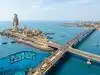
Bet Dwarka Corridor: Underwater darshan, 108-foot Krishna statue, how Gujarat plans to transform Krishna's land
Gujarat's proposed Bet Dwarka corridor aims to improve pilgrimage facilities and tourism infrastructure around the island associated with Lord Krishna. The plan includes a heritage street, a proposed 108-foot Krishna statue and underwater viewing experiences linked to Dwarka's submerged past. Building on the Sudarshan Setu connection, the project seeks to combine religious tourism, heritage development and marine ecotourism.

Meet Vanguard: 220-ton underwater habitat installed off Florida Keys, here's how it can withstand Category 5 hurricanes
Situated about 4.5 miles off the coast of the Florida Keys, Vanguard is an innovative underwater habitat intended for scientific investigations. DEEP, the organization behind its installation, anticipates it will be functional by early 2027. Designed to endure harsh oceanic conditions, including potential Category 5 hurricanes, Vanguard has been equipped with safety measures to limit ecological impact during installation, allowing scientists to carry out research while monitored from afar.
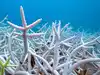
The island that is disappearing: India's race to build a reef before the sea wins
Kariyachalli island is implementing restoration efforts to counteract severe coastal erosion and rising sea levels. This includes the installation of artificial reefs and restoration of coral and seagrass ecosystems. Local residents, including saltpan workers, are also involved and benefiting economically from the conservation project. However, ongoing climate change poses challenges for the success of these restoration efforts.
Load More

