
CORAL RESTORATION
Scientists studied 3000 years of fish teeth. What they discovered could help save coral reefs
Scientists studying ancient fish teeth from Caribbean coral reefs discovered an important connection between parrotfish populations and coral growth. A 2017 study examined 3,000 years of fossil records and found that reefs grew faster when more algae-eating parrotfish were present.
In 2018, Florida reused 6,000 tons of concrete from the old Southern Boulevard Bridge to create a 1.7-acre artificial reef in Lake Worth Lagoon
An old bridge in Florida was demolished, and its concrete was transformed into an artificial reef. The project utilized 6,000 tons of recycled concrete to enhance marine habitat. Workers carefully arranged the debris underwater to form stable structures that attract fish. This initiative aimed to improve local fisheries and support biodiversity in Lake Worth Lagoon. Future constructions related to the bridge will continue to contribute materials for the reef.

Environmental protection, development must advance together: Bhupender Yadav at COP31
At COP31 in Turkiye, India's Union Environment Minister Bhupender Yadav detailed the nation's strategy for climate resilience. He stressed the significance of collaborating with Small Island Developing States on coastal risk management and ecosystem conservation. Yadav outlined four priority focus areas for strengthening partnerships, such as technology exchange and capacity enhancement.
In 2015, Maryland placed 5 barge loads of concrete rubble around a sunken barge off Taylor’s Island; the debris was intended to add height, surface area, and shelter for fish
Off the coast of Taylor's Island, Maryland, a barge has sunk, transforming the seafloor into a barren landscape. In response, Maryland's Artificial Reef Program has strategically placed concrete rubble to stimulate marine life and fish populations. Initial research suggests a notable uptick in local flounder fishing, though continued research will be crucial to assess the long-term benefits and sustainability of this artificial reef initiative.
Scientists set up 45 artificial ponds near St. Louis and studied them for 7 years; even when ponds got the same species, the order they arrived changed the outcome
A recent examination of 45 plastic cattle tanks has shed light on the significant role that species arrival order plays in biodiversity. Tanks with low nutrients exhibited similar communities irrespective of this order, while high nutrient tanks presented diverse variations. This phenomenon, termed the priority effect, has implications for community stability and ecosystem restoration efforts, cautioning restoration ecologists against presuming automatic self-repair in nutrient-rich habitats.
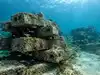
In 2026, Texas deployed 400 tons of concrete railroad ties off Port O’Connor; the material was arranged into two piles at an artificial reef site
In April 2026, Texas took a significant step by deploying 400 tonnes of concrete railroad ties to form two artificial reef piles. This project is designed to transform the flat bottom of the Gulf into a thriving habitat for marine life. Researchers are closely examining how these artificial reefs influence fish communities, with valid concerns about potential fish migration from other regions.
- Go To Page 1
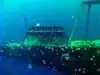
In 2022, Miami sank 345 tons of concrete from a demolished waterfront pier instead of dumping it; the rubble became a reef rising 8 feet from the seafloor
Miami-Dade County has developed an innovative approach by creating artificial reefs using demolished concrete. The materials from Bentley Bay Pier were repurposed and deployed at Julia Tuttle Artificial Reef Site. This project enhances marine habitats and promotes ecological growth beneath the ocean waves. It reflects a shift towards environmentally conscious decision-making in urban infrastructure. Such initiatives demonstrate the potential for old materials to support marine conservation efforts.
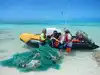
Hawaii’s abandoned fishing nets once trapped marine life; now they are being turned into electricity
Since 1996, Hawaii has successfully collected 848 metric tons of abandoned fishing nets, significantly reducing marine pollution. These nets are skillfully processed at an energy plant, transforming waste into usable electricity. This innovative initiative, supported by collaboration among government and fishermen, not only cleans our oceans but also promotes renewable energy. Moving forward, it is essential to focus on preventing marine debris and improving waste management practices.
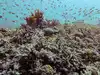
Almost all coral reef ecosystems face risk of collapse in 50 years, study warns
The world’s coral reefs are critically endangered due to rising ocean temperatures and climate change. This poses a significant threat to marine biodiversity and coastal communities. Nearly all shallow-water reef systems could collapse by 2075 without intervention. Experts emphasize the need for ambitious emissions reductions and improved protection efforts. The IUCN report serves as a crucial reminder of the urgent action needed to protect coral ecosystems.

Florida scientists use ‘coral IVF’ to save dying reefs as 1.5 million embryos offer new hope: How this process works
Florida scientists are using a technique called “coral IVF” to restore damaged reefs, producing more than 1.5 million coral embryos in a major 2026 effort. The scientists are utilizing coral IVF to rejuvenate coral reefs. By skillfully harvesting and fertilizing coral gametes, they've produced resilient embryos. These embryos thrive in carefully monitored settings until they develop into healthy young corals.
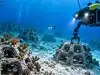
Apple Fellow Phil Schiller and his wife donate $25 million to help protect coral reefs across the world; How their gift will fund new research
Phil Schiller and Kim Gassett-Schiller announced a $25 million donation to the Woods Hole Oceanographic Institution. This funding aims to establish the Schiller Centre for Reef Solutions, which focuses on protecting coral reefs. Researchers will investigate reef health and test practical interventions for better conservation results. The donation addresses the urgent environmental pressures facing coral ecosystems today.
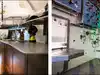
Meet Vanguard: 220-ton underwater habitat installed off Florida Keys, here's how it can withstand Category 5 hurricanes
Situated about 4.5 miles off the coast of the Florida Keys, Vanguard is an innovative underwater habitat intended for scientific investigations. DEEP, the organization behind its installation, anticipates it will be functional by early 2027. Designed to endure harsh oceanic conditions, including potential Category 5 hurricanes, Vanguard has been equipped with safety measures to limit ecological impact during installation, allowing scientists to carry out research while monitored from afar.
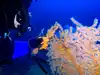
Off Gulf coast of Florida, giant concrete domes were dropped more than 200 feet underwater to help restore corals and sea life. All corals outplanted in 2025 survived and even grew
Scientists have deployed specially designed concrete domes off Florida’s northern Gulf coast to help restore coral habitats. The project targets mesophotic corals that were affected by the 2010 Deepwater Horizon oil spill. In a follow-up mission, researchers found all corals placed in 2025 survived and grew successfully. The restoration efforts involve multiple organisations, including NOAA and the University of Rhode Island.
NCM 2.0 launched with Rs 767 cr outlay to protect India’s coasts
Union Environment Minister Bhupender Yadav launched guidelines for the National Coastal Mission 2.0 on Wednesday. The mission aims to enhance conservation and management of coastal and marine ecosystems across India. It has an approved outlay of Rs 767 crore for the period from 2025-26 to 2030-31. This phase also promotes a streamlined implementation framework for better ease of doing business.
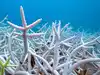
The island that is disappearing: India's race to build a reef before the sea wins
Kariyachalli island is implementing restoration efforts to counteract severe coastal erosion and rising sea levels. This includes the installation of artificial reefs and restoration of coral and seagrass ecosystems. Local residents, including saltpan workers, are also involved and benefiting economically from the conservation project. However, ongoing climate change poses challenges for the success of these restoration efforts.
In 2019, 2 beavers were released in Yorkshire’s Cropton Forest. 5 years later, 6 dams are slowing floodwaters and reviving wildlife
A five-year experiment in North Yorkshire shows how beavers can reshape ecosystems while helping manage floodwater. Two beavers built six dams in Cropton Forest, creating wetlands and boosting habitats for plants, amphibians, mammals and insects. Researchers found the dams reduced peak water flows by nearly half, highlighting how natural engineering could complement wider flood-management and restoration efforts.
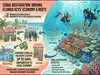
In 2018, CRF measured coral restoration's economic ripple across Florida Keys for 5 years. 7 years later, researchers found up to 144% local economic contribution per dollar spent
Coral restoration activities in the Florida Keys generated significant economic returns. For every dollar invested, restoration contributed between 120% and 144% locally. This economic stimulus sustained jobs and businesses during downturns like COVID-19 shutdowns. Restoration spending directly supports staff, boats, and local dive shops.
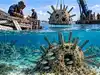
Florida was throwing away damaged metal signposts. In 2026, they are being turned into underwater habitats
In Florida counties, discarded road signposts are being creatively repurposed into underwater habitats. These metal structures are transformed into concrete artificial reefs, aiding marine life. Students are actively involved in this innovative initiative, which seeks to provide essential shelter for small fish and invertebrates. The project beautifully merges waste reuse with technical education and marine resource management, fostering environmental sustainability.
In 2007, the Neptune Memorial Reef began growing off Florida with cremated remains; the planned 16-acre site later developed into a coral habitat
An innovative underwater cemetery presents a novel burial alternative, where cremated remains are encased in concrete structures designed to facilitate coral growth. This initiative has evolved into one of the largest artificial reefs globally, fostering marine habitats while countering ecological deterioration. It strikes a balance between human customs and environmental stewardship, showcasing how traditional practices can support conservation efforts.
In 2006, an artist installed 75 human figures off Grenada after a hurricane damaged its reefs; corals later colonized them alongside parrotfish, shrimp and fireworms
After Hurricane Ivan wreaked havoc on Molinere Bay's coral reefs in Grenada, expert efforts saw the installation of concrete sculptures. A recent analysis found that these artificial reefs are nurturing coral growth similar to their natural counterparts. Fire coral tends to proliferate on these structures initially, while the presence of parrotfish indicates a thriving reef community.
ARSBC bought HMCS Chaudière from Canada’s Defence Department for $1 plus 7 cents GST; after its reef conversion, glass tunicates came to cover much of the vessel
The Canadian warship HMCS Chaudière was acquired for a symbolic price and subsequently sunk, transforming it into a vibrant artificial reef. This habitat supports various aquatic species, demonstrating that artificial structures can compete with natural reefs in promoting marine biodiversity. However, local communities have voiced concerns regarding potential shellfish contamination, emphasizing the dual challenge of environmental innovation and responsible waste management.
A teenager’s 4-H project helped spark a coral restoration revolution in the Florida Keys—how Ken Nedimyer turned broken coral fragments into thousands of new reef colonies
A simple father-daughter 4-H project in the Florida Keys grew into a groundbreaking coral restoration effort. Ken Nedimyer’s experiment with broken staghorn coral fragments eventually led to coral tree nurseries, thousands of new coral colonies and a restoration model now used on reefs around the world.
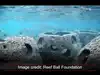
In 1995, Hurricane Luis damaged Maiden Island Reef in the Caribbean, already hit by development. Years later, Reef Balls supported 5,000 new coral colonies representing 30 species
Reef Balls are designed artificial reef modules mimicking natural structures. These concrete units provide habitat and shelter for marine species. Thousands of coral colonies were propagated and rescued during a major project. The initiative created breakwater reef systems and fish spawning sites. This project demonstrated effective and ecologically sound marine environmental solutions.
In 2025, Miami sank 22 concrete cars beneath the Atlantic; what looks like an underwater traffic jam is actually a giant artificial reef for 2,200 corals
Beneath the waves off Miami Beach, a striking collection of 22 concrete cars lies submerged, serving as artificial reefs that support coral restoration and marine life. The unconventional sculptures are providing new surfaces for corals and other marine organisms to grow. The innovative project combines art with environmental conservation, while the restored reef is also intended to help protect the coastline by reducing wave energy and erosion.
Heat stress is plunging the world’s coral reefs into crisis
Corals support economic activity worth trillions a year, including $36 billion in tourism, according to a study by the Global Coral Reef Monitoring Network.
Coral reefs are in trouble. One lab in the desert is trying to help
Coral restoration programs are up against long odds because of climate change and environmental degradation, but marine scientists say they are critical for ensuring that certain species of coral do not become extinct.
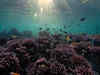
Countries pledge to raise $12 billion to fund coral reef protection
An alliance of nations called the International Coral Reef Initiative (ICRI) has pledged to raise $12 billion to protect coral reefs from threats like pollution and overfishing. However, experts have warned that this funding will only be effective if broader climate risks are addressed. Rising sea temperatures, caused by climate change, are a major threat to coral reefs. The ICRI aims to secure the future of 125,000 square kilometers of coral reefs and double the areas under protection by the end of the decade.
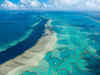
Great Barrier Reef should be put on 'in danger' list, UN panel says
Australia's Great Barrier Reef should be listed as a world heritage site that is "in danger", a UN panel recommended on Tuesday, saying the world's biggest coral reef ecosystem was significantly impacted by climate change and warming of oceans. Frequent bleaching events are threatening the reef, including four over the last seven years and the first during a La Nina phenomenon this year.
Load More


