
CARIBBEAN REEF DEGRADATION
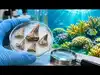
Scientists studied 3000 years of fish teeth. What they discovered could help save coral reefs
Scientists studying ancient fish teeth from Caribbean coral reefs discovered an important connection between parrotfish populations and coral growth. A 2017 study examined 3,000 years of fossil records and found that reefs grew faster when more algae-eating parrotfish were present.
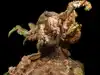
In 2006, an artist installed 75 human figures off Grenada after a hurricane damaged its reefs; corals later colonized them alongside parrotfish, shrimp and fireworms
After Hurricane Ivan wreaked havoc on Molinere Bay's coral reefs in Grenada, expert efforts saw the installation of concrete sculptures. A recent analysis found that these artificial reefs are nurturing coral growth similar to their natural counterparts. Fire coral tends to proliferate on these structures initially, while the presence of parrotfish indicates a thriving reef community.
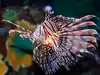
In 1985, the first invasive lionfish was spotted off Florida after aquarium releases; within decades, it had spread across much of the Caribbean and US Atlantic coast, devastating reef fish that had no natural defense against it
A single lionfish spotted in Florida in 1985 has spiraled into one of the most alarming marine invasions. These venomous, fast-reproducing Indo-Pacific fish, likely released from aquariums, have decimated native fish populations across the Western Atlantic and Caribbean. Their unchecked spread threatens vital fisheries and coral reefs, impacting economies that millions depend on. Eradication is unlikely, with focus now on management and developing a market for lionfish as food.
Sunscreen killing coral reefs worldwide
A team of international scientists, which includes University of Central Florida professor John Fauth, found that oxybenzone, a common UV-filtering compound, is in high concentrations in the waters around the more popular coral reefs in Hawaii, and the Caribbean.
Sewage, coastal destruction threaten marine life
Sewage is a growing threat to oceans and seas, putting at risk marine life and habitats as the pollution problem escalates, the United Nations Environment Programme (UNEP) said in a report on Wednesday.

