
GOI

Kashmir parties urge authorities to release Baramulla MP Rashid
Political leaders across Kashmir are calling for the release of Lok Sabha member Engineer Rashid. His father is critically ill and on ventilator support in a Srinagar hospital. Parties emphasize compassion and humanitarian grounds for his release. Rashid, currently in jail, won the Lok Sabha election while incarcerated. His interim bail period recently ended.

Long-term bonds are cheap now; patient investors may gain big, says Rahul Goswami of Franklin Templeton
Rate cuts are off the table, inflation is creeping up, and the Strait of Hormuz remains a wildcard. In a candid interview with ET Wealth’s Kayezad E. Adajania, Rahul Goswami of Franklin Templeton, sees a clear opportunity in long-dated bonds for investors who can stomach near-term volatility.

Nuclear sprint for a power-hungry India
India is embracing small modular reactors for its clean energy future. These advanced nuclear units offer a stable power source, complementing renewable energy. SMRs are seen as crucial for decarbonizing heavy industries and boosting India's global standing. The nation is moving forward with this technology to meet rising energy demands and reduce fossil fuel reliance.

Climate crisis is a gender issue, women face higher risks, less representation
Climate change disproportionately impacts women, who are often excluded from decision-making despite their crucial roles in crisis response. Addressing this gendered issue requires empowering women with access to resources, finance, and leadership opportunities. India's initiatives, like training Climate Champions and implementing heat insurance, demonstrate a path towards equitable climate resilience.

Decontrol oil prices and replace cross-subsidies with targeted DBTs for needy households
During recent global crude price volatility linked to West Asia tensions, retail fuel prices in India remained largely unchanged, unlike in other countries or even private retailers, raising questions about the credibility of “market-linked” pricing.

Cancer burden rising, all hands on the deck
India faces a critical shortage of cancer specialists. A new rule for the PMJAY scheme now bars experienced oncologists without specific degrees from treating patients. This policy hinders access to care for many. The government is investing in cancer detection and reducing drug costs. Revisiting PMJAY eligibility for these vital doctors is crucial for public health.
- Go To Page 1

Violent demand can't push better wages
In Delhi-NCR, tensions among workers have reignited as protests over rights and pay escalate. This vital economic hub not only draws international investment but also promises lucrative employment opportunities. Yet, the landscape of labor relations is intricate.

EAM Jaishankar meets UAE Foreign Minister in Abu Dhabi; discusses West Asia security and strategic partnership
External Affairs Minister S Jaishankar met UAE Deputy Prime Minister Sheikh Abdullah bin Zayed Al Nahyan in Abu Dhabi. Discussions focused on the West Asia situation and strengthening the India-UAE Comprehensive Strategic Partnership. Jaishankar also interacted with the Indian community, assuring them of government efforts for their well-being amidst regional tensions. He appreciated the diaspora's contributions and the UAE's support.

Jan Vishwas Bill: Less jail, more ease of doing business
The Indian government is decriminalising minor offences to boost business. This move replaces jail terms with fines, reducing burdens on companies and courts. It aims to modernise laws and create a simpler, more effective regulatory environment. This reform is expected to enhance economic growth and governance.
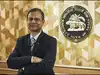
RBI MPC 2026: Rate-setting panel starts deliberations amid West Asia crisis; decision on Wednesday
The Reserve Bank's monetary policy committee has begun its review. Expectations are for no change in interest rates. This is due to worries about rising inflation. Geopolitical tensions and crude oil prices are key concerns. The rupee's depreciation also impacts import costs. The central bank aims to keep inflation at 4 percent.

GST states quo won't do: Post-GST revenue divide widens across India
New CAG data reveals states are diverging in fiscal health post-GST. Some states are effectively building revenue capacity, while others are not. GST has boosted state tax revenues, but fiscal strength now hinges on non-tax revenues and asset monetisation. States that strengthen these areas will enhance autonomy. Those that do not face increasing dependence.

TPG to buy NIIF Green Infra NBFC Aseem for Rs 4,000 cr
US buyout group TPG, alongside ICICI Bank and GIC of Singapore, is set to acquire Aseem Infrastructure Finance Ltd for Rs 4,000 crore. This strategic move aims to accelerate green funding and investment initiatives in India, with the existing sponsors exiting the non-bank lender.

Measures to address the war's fallout lie outside MPC's remit - GoI and RBI must step up
The Reserve Bank of India's Monetary Policy Committee meets amid a West Asian war. This conflict disrupts supply chains and raises crude oil prices. Inflation is rising while growth shows signs of slowing. The committee must navigate these challenges. The government and RBI are taking steps to manage the rupee's depreciation. Future economic projections will be crucial.

Seat fees are not the real problem
India's aviation regulator has paused a directive mandating free seat selection for 60% of seats, opting for a broader review. This decision acknowledges airlines' need for ancillary revenue to offset high operational costs and fund expansion, while also considering passenger concerns about fairness and transparency in pricing.

Indian Navy to commission nuclear submarine INS Aridhaman today
India's Navy is set to commission its nuclear submarine INS Aridhaman. This marks a significant step in strengthening India's nuclear triad. The frigate INS Taragiri will also be inducted. Taragiri embodies the 'Make in India' spirit with over 75 percent indigenous content. These inductions enhance India's maritime power and combat readiness.
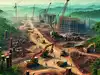
Economic expediency vs precautionary principle: Supreme Court reopens debate on retroactive project approvals
Supreme Court is reviewing retrospective environmental clearances. This case questions India's commitment to sustainability. Allowing projects to seek approval after starting work sends a wrong signal. The court must uphold the precautionary principle. Prior clearance is a vital safeguard. The judiciary needs to deter developers from environmental violations.

Iran war shock: Middle East conflict could cut 1 ppt from India’s FY27 GDP outlook
Iran War: A persistent Middle East conflict could reduce India's real GDP growth by 1 percentage point and increase retail inflation by 1.5 percentage points from baseline estimates. This impact stems from disruptions to global oil and energy markets, affecting employment-intensive sectors and aggregate demand. The government may need to implement countercyclical policies and augment the Economic Stabilization Fund.

Sanjay Malhotra’s baptism by fire amid West Asia war's economic consequences
RBI's Malhotra faces a critical test as war disrupts global markets. Inflation and growth are key concerns. The Reserve Bank of India must navigate these uncertainties to manage interest rates and the rupee's value. The governor's decisions will shape the nation's economic outlook. Balancing inflation control with growth support is paramount.

Meddle east meditations: India and countries like Pakistan are inactive and active for safety of their citizens and economies
India's foreign policy focuses on securing energy and protecting assets during the Gulf War. Global economies face widespread fears of supply disruption and inflation. The conflict's impact could extend to the early 2030s. India and Pakistan share similar goals for their citizens. Regional powers have differing interests regarding Iran's role.

Petrochem price surge hitting economy hard
The ongoing conflict in Iran is sending shockwaves through industries reliant on petrochemicals, tightening budgets and raising energy expenses. Small businesses are particularly at risk, as these climbing costs jeopardize jobs and livelihoods. Consumers should brace for higher prices as input costs forecasted to persistently soar.

Rupee's steep fall: Are India's macro fundamentals strong enough to withstand global shocks?
India's economic growth remains strong despite a weakening rupee. This decline is not supported by the country's macro fundamentals. The article explores potential solutions, including targeted bond offerings and alternative payment systems. It suggests that a multipolar world order and collaboration among nations can help support regional currencies and reclaim space on the global stage.

Chennai Petroleum announces Rs 8 per share dividend, sets April 2 as record date. Check dividend yield
Chennai Petroleum Corporation announced an interim dividend of Rs 8 per share for FY 2025-26, payable by April 25. Shares remain strong, up over 60% in a year, trading above key moving averages.

West Asia conflict to strain India's FY27 fiscal math, says ICRA
India's budget for FY2027 faces challenges due to rising global oil and gas prices. The West Asia conflict is pushing up costs, potentially increasing fertilizer and fuel subsidies. This could impact government revenues and corporate tax collections. Measures like using the Economic Stabilisation Fund and front-loading subsidy payments may help manage the fiscal deficit.

India's shiny new habit needs polish
Young Indians are embracing digital gold for its convenience in buying small amounts via smartphones. This surge in popularity highlights the need for stronger regulation and oversight for fintech-offered gold, as the industry seeks government assistance to bolster transaction volumes and ensure robust custody and audit practices.

Not STEM, but STEAMpunk: The human edge in AI-powered era
The rise of AI is changing how we value skills. Once, technical expertise was paramount. Now, the ability to ask the right questions and interpret complex information is key. This shift highlights the enduring importance of humanities. The future demands a blend of technical prowess and human insight. This interdisciplinary approach will drive innovation and success.

Transgressive bill ignores individuality
A new bill proposes changes to transgender rights in India. It moves away from self-identification for legal gender recognition. The bill requires certification from boards and authorities. This could exclude many transgender individuals. Experts warn this is a regressive step. It may increase harassment for the community. The government is urged to reconsider the bill.

War, gas and the kitchen economy: How India is navigating the LPG shock
India is boosting LPG supplies for commercial use. Domestic production is increasing, and imports are arriving. This move aims to resolve fuel shortages for restaurants. The government is also encouraging a shift to piped gas. Improved supplies are expected to reduce queues at dealerships soon. The situation is anticipated to stabilize as the conflict in West Asia concludes.

Govt may consider OFS option for raising public float in IDBI Bank
The government may consider selling a stake in IDBI Bank through the Offer-for-Sale (OFS) route to increase public shareholding, after the unsuccessful attempt to divest stake in the LIC-controlled lender, sources said.

Govt may consider OFS option for raising public float in IDBI Bank
The government is considering an Offer-for-Sale (OFS) in IDBI Bank to raise public shareholding after a failed attempt to sell a majority stake. The move aims to improve valuation and price discovery, as the current public float is just 5.29%.
Load More

