


Listen to this article in summarized format
×
Subscribe to

Unlock AI Briefing and Premium Content
New Year Offer 24 Hours Left
Subscribe NowAlready a member? Sign In
What's Included
- Exclusive Stories
- Daily ePaper Access
- Smart Market Tools
- Curated Investment Ideas
- Ad-lite Experience
Subscription

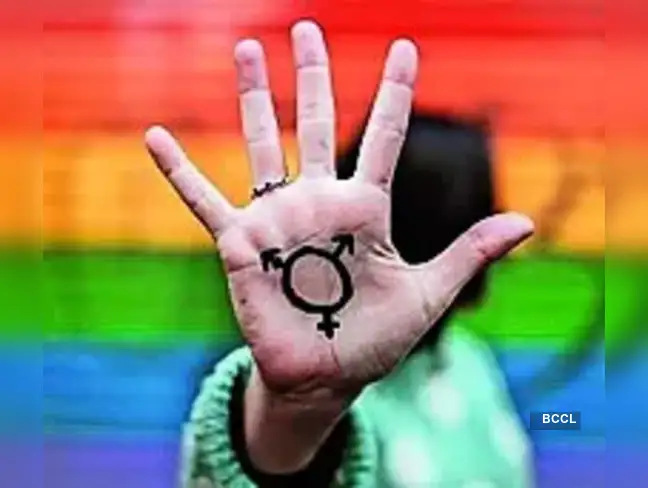
Earlier this month, GoI told Parliament that Census 2027 would record the gender of the head of household under three categories - male, female, and transgender. While this move has been welcomed as a progressive step toward visibility, the proposed Transgender Persons (Protection of Rights) Amendment Bill 2026, placed in Parliament on March 13, signals a troubling shift.
The proposed Bill raises three core concerns: it removes self-identification as the basis of legal gender recognition, departing from the rights framework affirmed in 'NALSA v. Union of India' verdict; it introduces medical and bureaucratic gatekeeping by requiring certification through boards and district authorities; and it narrows the definition of 'transgender', risking exclusion of non-binary, gender-fluid and other identities that fall outside rigid sociocultural or biological categories. This shift replaces a person's internal sense of self with clinical scrutiny, forcing individuals to undergo verification by medical boards and district authorities, thereby transforming a fundamental right into a bureaucratic permit raj, deepening vulnerability and institutional dependence of individuals.
A lack of thought regarding ground realities is apparent. In a country where the transgender community faces systemic abandonment, family rejection and socioeconomic exclusion, adding layers of verification only invites further harassment. Governance is not merely about administrative precision - the 'tightening' in the new Bill is ostensibly to weed out misuse - but also about empathy. Laws must be fundamentally inclusive, reflecting the vast spectrum of identities rather than forcing it into rigid, outdated boxes. This Bill is a regressive step. It should be taken back.
The proposed Bill raises three core concerns: it removes self-identification as the basis of legal gender recognition, departing from the rights framework affirmed in 'NALSA v. Union of India' verdict; it introduces medical and bureaucratic gatekeeping by requiring certification through boards and district authorities; and it narrows the definition of 'transgender', risking exclusion of non-binary, gender-fluid and other identities that fall outside rigid sociocultural or biological categories. This shift replaces a person's internal sense of self with clinical scrutiny, forcing individuals to undergo verification by medical boards and district authorities, thereby transforming a fundamental right into a bureaucratic permit raj, deepening vulnerability and institutional dependence of individuals.
A lack of thought regarding ground realities is apparent. In a country where the transgender community faces systemic abandonment, family rejection and socioeconomic exclusion, adding layers of verification only invites further harassment. Governance is not merely about administrative precision - the 'tightening' in the new Bill is ostensibly to weed out misuse - but also about empathy. Laws must be fundamentally inclusive, reflecting the vast spectrum of identities rather than forcing it into rigid, outdated boxes. This Bill is a regressive step. It should be taken back.
Add  as a Reliable and Trusted News Source
as a Reliable and Trusted News Source Add Now!
(Catch all the Business News, Breaking News, and Latest News Updates on The Economic Times.)
Subscribe to The Economic Times Prime and read the ET ePaper online.
Read More News on
(Catch all the Business News, Breaking News, and Latest News Updates on The Economic Times.)
Subscribe to The Economic Times Prime and read the ET ePaper online.












 ETPrime Membership