Indian businesses are preparing for a surge in Middle East demand following a peace agreement. Companies are increasing production and securing shipping capacity. This move aims to revive exports disrupted during the conflict. FMCG firms, carmakers, and construction equipment manufacturers are all scaling up operations. Lower freight costs are expected to benefit consumers and boost margins for exporters.
IANSIndian businesses are preparing for a surge in Middle East demand following a peace agreement
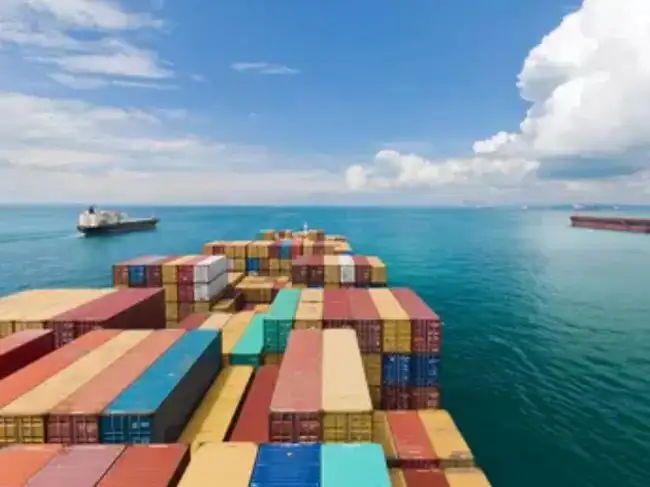
Indian companies are gearing up for a revival in Middle East demand following the peace agreement, ramping up production for the region, securing shipping capacity amid vessel shortages, and preparing to boost overall exports that were disrupted during the conflict.
Large FMCG companies such as AWL Agri Business, Parle Products and Dabur are increasing factory capacity utilisation for the Gulf market to over 90% from 45-50% during the conflict. The country's largest carmaker, Maruti Suzuki, is also preparing to scale up exports to the Middle East, which previously accounted for more than 12% of its overseas sales before volumes were diverted to other markets in the last few months.
India's largest construction equipment maker, JCB India, is positioning itself for reconstruction-led demand in the region. Electrical goods makers such as Havells and Blue Star are also expecting a recovery in business.
"The Middle East markets will reopen and prices there will ease after freight rates normalise. During the conflict, a war surcharge of nearly $100 per tonne was added to freight costs, which importers ultimately passed on to consumers," said Angshu Mallick, executive deputy chairman of AWL Agri Business, India's largest edible oil marketer.
Live Events
Mallick said prices of staples could decline by 5-9%, while markets such as Iran, Iraq and Saudi Arabia would once again offer opportunities for Indian basmati rice, atta and edible oil exporters. AWL Agri Business exports products worth nearly Rs 1,000 crore annually to the Middle East.
Deepak Shetty, chief executive of JCB India, said the end of the conflict opens up significant opportunities for the Indian construction equipment industry across the region. Lower freight costs would also benefit exports to Europe and the US, he added.
"With regard to Iran, companies will need to carefully assess the prevailing sanctions and regulatory environment. However, given the scale of reconstruction required, there is a clear possibility of demand emerging over time," Shetty said.
The Middle East remains one of the most important overseas markets for Indian companies, driven by geographic proximity and a large Indian diaspora. The region contributes about 4% of overall revenue for Marico, while it accounts for nearly 35% of the international business of Dabur. Havells derives around 40% of its export revenue from the region.
Mayank Shah, vice-president at biscuit maker Parle Products, said the company plans to raise export-related capacity utilisation from 50-60% to nearly 90%. “Margins were under pressure during the conflict but should start recovering now. Supply chains are expected to normalise and operations should become more streamlined," Shah said.





Subscription

 IANS
IANS

 as a Reliable and Trusted News Source
 Add Now!












 ETPrime Membership