
WILDLIFE BEHAVIOR
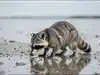
University of Victoria scientists played recordings of barking dogs along Canada's Gulf Islands for a month in 2016. Study revealed raccoons spent 66% less time foraging and fish abundance rose by 81%
Scientists from the University of Victoria carried out an experiment in which barking dog audio was played on the shorelines of British Columbia’s Gulf Islands. The raccoons were seen to decrease their foraging behavior by 66% as a result of this experiment. The populations of red rock crabs, fish and further marine life were seen to increase.
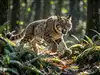
UC Santa Cruz scientists placed hidden speakers near mountain lions' feeding sites in California in 2017. Experiment revealed even recordings of ordinary human conversations can frighten the predators away
The scientists from UC Santa Cruz discovered that mountain lions are scared of humans and frequently leave food when they hear people. A 2017 study in California’s Santa Cruz Mountains confirmed that the mountain lions left food when they heard humans. The animals also shortened their feeding periods. This may cause them to hunt for more deer.

In Idaho's Pioneer Mountains, scientists installed loudspeakers near quiet streams to mimic roaring whitewater rivers; their experiment across 20 sites revealed how natural noise influences where birds and bats live
Researchers had installed loudspeakers on towers near quiet streams. They played recordings of naturally roaring whitewater rivers. The equipment was powered by solar panels and batteries. Researchers had chosen 20 sites. They made measurements over the course of two breeding seasons. At half of these, they used the existing river noises, and in the remaining sites, researchers placed speakers that projected the sounds of a whitewater rapids.
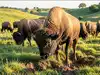
Yellowstone National Park’s bison are doing way more than just grazing across Wyoming. A six-year field study reveals how their movement and habits make grasslands 150% more nutritious
Yellowstone National Park bison have enhanced grassland health and nutrition. Almost 5,000 Yellowstone bison graze extensively. The regenerated grasses in these areas have been found to be 150 per cent more nutritious. Neither plant growth nor carbon stores within the soil are also negatively impacted. Bison migrate around 1,000 miles a year on a 50 mile migratory route.

Florida’s American alligators do way more than hunt in the Everglades. Scientists studied 10 alligator ponds and discovered how these reptiles create wildlife refuges and enrich wetland soils
American alligators are involved in environmental management. They excavate ponds, re-locate sediment and transfer nutrients. This is of benefit to other species as water levels in the Everglades can drop. A study of 10 alligator ponds in the Everglades showed that alligators impact on both the nutrient cycle and the well-being of wetland environments.
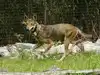
North Carolina brought two endangered red wolves together at a wildlife refuge in 2024; the male died, but in spring 2025 the female gave birth to three wild pups
A pair of endangered red wolves successfully mated in North Carolina and produced three cubs before the male's death. These cubs represent a significant step in conservation efforts for this rare species. Wildlife biologists are monitoring the new family to gather crucial developmental data. Observations aim to improve future breeding strategies for red wolves. The ongoing research contributes to understanding their natural behavior and enhancing survival chances.
- Go To Page 1

Environmental groups embrace AI, even as they warn of data center impacts
Environmental organisations are increasingly leveraging artificial intelligence to enhance conservation efforts and analyze ecological data. Many express concerns about the environmental impact caused by data centers that support AI technologies. The energy and water consumption of these centers is projected to double by 2030, raising emissions concerns.
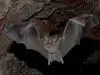
In 1990, a Texas family donated a cave to protect its bats; today, about 4 million female bats use it as a nursery each summer
A Texas family's vision for conservation transformed their cave into the Eckert James River Bat Cave Preserve in 1990, eschewing fertilizer extraction. Annually, about 4 million female Mexican free-tailed bats find refuge here, utilizing the site as their maternity colony during the crucial breeding season from May to September. Dedicated research and management initiatives strive to protect this critical habitat and deepen understanding of bat population dynamics.
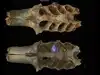
Paleontologists studying fossil jaws in a Caribbean cave found ‘weird’-looking concave cavities; turns out ancient bees laid eggs inside them 20,000 years ago
Researchers making waves on the island of Hispaniola have uncovered an astonishing find: ancient bees that crafted nests in fossilized animal bones. Dating back over 20,000 years, these solitary bees ingeniously utilized available resources, creating structures similar to today’s nests. CT scans confirmed the presence of ancient pollen, offering a fascinating glimpse into the ecological narrative of the region and the unique behaviors of these prehistoric bees.
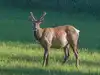
In Washington, scientists excluded elk from rainforest plots for 36 years; shrubs became 5 to 6 times more abundant, while 46 plant species disappeared
A comprehensive study conducted over 36 years in Washington's Olympic Peninsula has unveiled striking insights into elk exclusion's impact on plant communities. Researchers found that while shrubs thrived, numerous smaller plant species vanished, underscoring the elk's critical role in promoting forest diversity through their feeding habits and behavior. These revelations challenge conventional views on herbivores, highlighting the importance of understanding ecological interactions for wildlife management and conservation efforts.
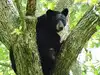
In 1992, Louisiana had as few as 150 black bears left; 30 years later, habitat restoration and relocations helped rebuild the population to about 750 bears
In the early 1990s, Louisiana black bears were on the brink of extinction due to habitat loss caused by human development. Thanks to dedicated conservation efforts, their numbers have rebounded from a mere 150 to approximately 750. Strategies like establishing interconnected forests and relocating bears have been vital to enhancing genetic diversity.
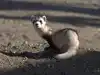
In 2010, scientists used electric fencing to protect Montana’s black-footed ferrets; coyote sightings in fenced areas fell from 42% to 7%
In Montana, scientists implemented portable electric fencing to reduce coyote predation on endangered black-footed ferrets. The fencing successfully decreased coyote sightings from 42 percent to 7 percent, protecting ferrets during their vulnerable stages. All ferrets monitored within the protected area survived, highlighting the fence's effectiveness. The project demonstrated that temporary measures can significantly aid conservation efforts while minimizing predator interactions.
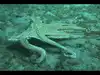
Angry octopus punching fish caught on underwater camera, and the reason may be more surprising than you might think
Researchers filmed an octopus engaging in physical behavior toward fish in the South Pacific Ocean. The octopus was seen punching a highfin grouper and also attempting to hit a spotcheek emperor. Marine ecologist Chris Thompson suggested the behavior might involve disciplining fish during collaborative hunts. Similar behaviors have been seen in octopus populations in the past. Incidents of octopuses attacking humans have also been documented previously.
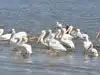
A 400-acre island built from Tampa Harbor dredging became a nesting refuge for birds decades later
In the late 1970s, engineers expanded Tampa Bay by developing an island from dredged materials. This man-made island has since become a crucial nesting ground for a variety of coastal birds, including American oystercatchers and roseate spoonbills. To ensure the well-being of these avian residents while facilitating harbor activities, ongoing engineering and maintenance efforts are vital.
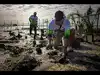
In 2019, Aidan Gallagher linked fan pledges to mangrove planting in Madagascar. 6 years later, the campaign had planted 113,706 trees and removed 38 million kg of carbon
In July 2025, UNEP announced a $7.1 million grant-supported initiative for Madagascar that includes plans to restore 3,000 hectares of mangroves and coastal forests while benefiting vulnerable coastal communities. Aiden Gallagher's campaign is therefore part of a much wider story—one in which individual pledges, community restoration and international climate action can intersect to give damaged ecosystems a chance to recover.
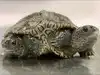
A double take in Cape Cod: Rare two-headed turtle found after 5 years
A rare two-headed diamondback terrapin hatchling was found in Cape Cod, Massachusetts. This unusual developmental anomaly, known as bicephaly, marks a significant discovery for wildlife centers. The veterinary team is closely monitoring the hatchling's health and development. This is not the first such case, as another was found in 2021. Such rare occurrences offer valuable insights into animal anatomy and physiology.
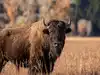
In 1993, a few bison were introduced to America's dying grasslands. Now, thousands of those beasts, once hunted to near extinction, are helping bring the prairie ecosystem back to life
Oklahoma's Tallgrass Prairie Preserve is restoring bison populations and their habitat. Bison grazing and wallowing create favorable conditions for diverse plant and animal life. Controlled burns also remain essential for prairie recovery and renewal. These efforts help rebuild ecological relationships within the ecosystem. The preserve demonstrates successful species restoration alongside modern land use.

Ever wondered how elephants sleep? IAS officer Supriya Sahu explains why it is a rare sight
A captivating video re-shared by IAS officer Supriya Sahu captures the serene sight of elephants peacefully dozing in the lush forests of Assam. Remarkably, these majestic animals typically enjoy only two hours of sleep each day, often remaining upright. They only lie down when they feel absolutely safe. The herd’s shared resting illustrates profound trust among them, providing an extraordinary insight into their rare sleeping behavior.
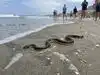
Yellow bellied sea snake found at California beach: Is it poisonous? What you should do if you encounter the rare snake nearby
A rare yellow-bellied sea snake was spotted at a Southern California beach, prompting questions about its venom and safety. Here is what to know about the snake, why it may have appeared in California and what to do if you encounter one.

China used a 480m fish bypass channel to solve migratory habitat blockage on a 134km canal; the result transformed fragmented waterways into thriving aquatic corridors
China’s 480-meter fish bypass is turning an engineering barrier into a route for wildlife. Built alongside a 134-kilometer canal, the passage helps migratory fish move between habitats that had become separated by human infrastructure. Instead of changing the entire waterway, engineers created a dedicated corridor where fish can navigate around the blockage. That small intervention has a larger ecological purpose. Connected waterways give fish access to breeding, feeding and seasonal habitats.
In the 1940s, a few snakes arrived in Guam hidden in military cargo; decades later, nine of the island’s 11 native forest bird species were gone
Government bodies are collaborating with local citizen scientists in a proactive approach towards snake removal on Guam. This program's aim is to rejuvenate the island's native bird and reptile populations, which have been severely impacted by the invasive brown treesnake. The project will assess the role of citizen science in wildlife conservation and implement snake barrier strategies, with plans to use toxicants and live lure traps in subsequent efforts.
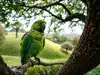
Wildlife group raises alarm after 43 Parakeets killed with catapults in Southeast London Park; shocking claims emerge
Dozens of parakeets have been killed in a London park over three weeks. Young adults are using catapults to target birds roosting at night. This ongoing cruelty has been occurring in Priory Gardens since around 2020. Local wildlife groups are urging authorities to enforce stricter laws on catapult sales. They emphasize that all animals deserve protection from deliberate harm and suffering.
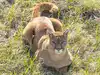
Could living near mountain lions actually make you safer? New study finds fewer dangerous animal-vehicle collisions where these powerful predators are present
Could living near mountain lions actually make you safer? Recent studies suggest that the presence of mountain lions could improve road safety for local communities by driving deer away from congested roadways to more secluded areas. This shift in deer behavior towards daylight hours significantly decreases the chances of nighttime vehicle collisions. The findings reveal surprising ecological advantages stemming from large carnivores, emphasizing their role in wildlife management.

COVID lockdowns accidentally created an experiment scientists could never have deliberately run: What happens when the roads and buildings stay, but the people disappear?
The COVID-19 lockdowns accidentally created a rare real-world experiment for scientists, as human activity suddenly dropped while roads, buildings and cities remained unchanged. Studies from the US and India found that wildlife responded to the change in human presence in different ways, while researchers also recorded sharp drops in urban noise and seismic activity.
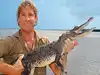
Quote of the day by 'Crocodile Hunter' Steve Irwin: ‘Crocodiles are easy. They try to kill and eat you. People are…’ – A wild lesson in awareness and trust
Steve Irwin, renowned for his work with dangerous animals, observed that human intentions can be far more unpredictable than those of predators. His quote highlights the clarity of nature's honest signals versus the potential for human deception, urging awareness of motives beyond appearances. This perspective emphasizes emotional intelligence and mindful observation as crucial survival skills.
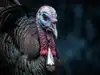
Why Boston's Wild Turkeys Attack Mirrors: The Strange Territorial Fight Against Their Own Reflection
During spring breeding season, male wild turkeys in Massachusetts mistake their reflections in cars and windows for rival toms. This territorial defense behavior, triggered by hormonal changes, leads them to repeatedly peck and charge at shiny surfaces. Conservation efforts have increased turkey populations, making these mistaken identity encounters more common in urban and suburban areas.
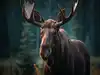
This Animal’s Fierce Response to Humans Defies Norms: Why Moose Demand Massive Personal Space in Alaska
Alaskans are urged to keep a safe distance from moose and never feed them. Feeding these powerful wild animals can lead to aggressive behavior and harm their digestive systems. Collisions with vehicles are also a concern, especially in winter. Coexisting with moose requires understanding their needs and respecting their space for mutual safety.
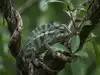
Scientists Are Decoding the Strategies Animals Use to Survive Climate Change
Understanding animal behaviour in the wild is crucial for species survival and adaptation. Behavioral ecology, now interdisciplinary with genetics and neurobiology, uses advanced tech to track animals. This field is vital for conservation, tackling biodiversity loss and climate change, and even designing wildlife-friendly cities. It offers insights into life's adaptability in challenging environments.
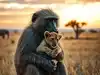
Baboons Kidnapping Lion Cubs? Scientists Are Finally Uncovering the Truth Behind This Rare Behavior
Astonishingly, baboons have been observed caring for lion cubs, a stark contrast to their usual predator-prey dynamic. Scientists suggest this behavior stems from complex instincts, where strong social bonds and caregiving behaviors, central to baboon life, can be triggered by vulnerable young, even from another species. These rare moments reveal the flexible nature of animal cognition and social drives.
Load More

