
AQUATIC SPECIES
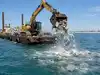
In 2025, North Carolina added 2,100 tons of crushed concrete near Carolina Beach State Park to expand an oyster and fishing reef to 5 acres
In North Carolina, workers are actively enhancing oyster habitats in the Cape Fear River by using crushed concrete. This initiative seeks to expand an existing one-acre oyster reef into a more extensive artificial reef. Unfortunately, the local oyster populations have plummeted in recent years. Researchers emphasize that while this project contributes to environmental recovery, it is merely a small component of a larger challenge.
Illinois took down a large dam on the Des Plaines River in 2012; soon after, 10 fish species not recorded before appeared in the old pool, including channel catfish
The dismantling of Hofmann Dam in 2012 marked a significant ecological shift by enabling channel catfish and other species to migrate upstream. For years, this barrier hindered fish movement. After its removal, studies uncovered ten new fish species thriving in areas previously stagnant. This endeavor is part of a comprehensive plan to revitalize the Des Plaines River's ecosystem, vital for promoting biodiversity within its aquatic habitats.

A hidden chemical in your car tires is killing the fish. Are you willing to pay extra for ‘salmon-safe’ tires?
A recent study explores consumer willingness to pay more for tires that are safer for salmon. Researchers found that 50% of participants would pay an average of 10% more for these eco-friendly tires. Potential environmentally friendly tire formulations are under investigation to replace the harmful chemical 6PPD. The findings suggest a growing market for eco-labeled products among consumers in certain states.
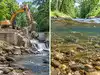
Illinois removed a dam from Blackberry Creek in 2013; fish began spawning within two weeks, and the former impoundment’s recorded species count rose from 8 to 25
In 2013, the dismantling of the Blackberry Creek dam sparked a significant ecological shift, enabling fish to migrate freely for the first time in 180 years. Following this, the diversity of fish species surged from 8 to an impressive 25. While some species returned quickly, others were still missing post-survey.
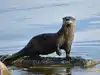
Indiana's river otters had nearly vanished; starting in 1995, wildlife officials released 303 into rivers, and decades later, the species was reported across the state
After more than five decades, river otters have made a triumphant comeback in Indianapolis, thanks to the Indiana Department of Natural Resources, which reintroduced 303 otters from Louisiana. This lively resurgence has seen otters thriving across all counties in Indiana, showcasing effective wildlife management. However, with stability comes regulation, as some areas now permit trapping, prompting discussions on the delicate balance between conservation and resource management.
Illinois removed dams from Brewster Creek in 2006; by 2014, surveys had found 14 fish species not previously recorded in the restored stretch, including catfish
Since the dismantling of several dams in 2006, Brewster Creek has experienced remarkable ecological transformation. The removal of barriers allowed fish species like smallmouth bass and quillback to flourish in the area, leading to a notable increase in overall fish diversity, with 14 new species discovered. Moreover, the ongoing research highlighted natural channel evolution and sedimentary stability, making Brewster Creek a pivotal reference for future ecological restoration initiatives.
- Go To Page 1
Yosemite had lost its red-legged frogs; in 2016, teams began restoring the population, and 10 years later, the program reached 10,000 releases as recovery continues
The successful reintroduction of California red-legged frogs to Yosemite marks a significant achievement in conservation efforts that began in 2016. With the first breeding in 2019 and the special release of the 10,000th frog, affectionately named 'Twain', these frogs now thrive in the valley, representing generations of recovery. Future plans include raising and releasing additional juveniles to ensure continued population growth within this iconic national park.
In 2024, 1,865 volunteers reviewed underwater videos; cameras recorded 4 fish species missed by traditional traps
The Where's Walleye? project showcases how researchers leveraged traditional fish traps and high-tech underwater cameras to refine fish survey methods. With assistance from 1,865 citizen scientists, the project analyzed video footage to identify diverse fish species. Remarkably, the underwater cameras uncovered four species previously missed by conventional techniques, enhancing our comprehension of aquatic ecosystems and aiding in rare species monitoring.
In 2017, California replaced a fish-blocking road crossing on Upper Green Valley Creek; surveys later found 136 young steelhead upstream of the former barrier
In 2017, engineers undertook a significant project to replace an old culvert that hindered fish migration in Upper Green Valley Creek. The successful replacement is evidenced by the discovery of 136 young steelhead fish in previously unreachable habitats. Researchers are actively studying the long-term effects on these fish populations and their growth.
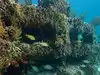
An artificial reef can do more than attract fish: How a 125-acre underwater project could reshape North Carolina's coastal ecosystems
An artificial reef will be constructed in North Carolina's Albemarle Sound, scheduled for development soon. This project aims to create shelter, feeding opportunities, and spawning habitats for local marine life. By utilizing materials from the Alligator River Bridge, the reef will cover an area of 125 acres. Although the initiative will increase habitat availability, its effectiveness in boosting fish populations is uncertain.
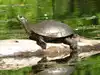
In Yosemite, scientists monitored 4 ponds for 7 years as invasive bullfrogs were removed; juvenile native turtles reappeared at affected ponds by 2019
Scientists observed a decline in juvenile turtles in Yosemite due to invasive bullfrogs preying on them. After nearly eradicating the bullfrog population, baby turtles began reappearing in the affected ponds. The study involved monitoring turtle populations over seven years to measure recovery and changes. Northwestern pond turtles are critical to California's freshwater ecosystems, and conserving them is crucial. The findings highlight how controlling invasive species can benefit native wildlife populations.
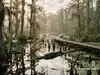
A two-feet “leopard eel” was hiding in US swamps; Scientists took years to identify it
An eel-like animal with spotted markings and frilly gills had been turning up in Florida and Alabama waters for years. In 2018, scientists described it as the reticulated siren, a salamander and a species new to science. Its identification relied on a 1970 museum specimen, years of fieldwork and DNA analysis.
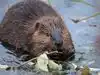
Beavers in Switzerland built dams in 16 streams that were disturbed by humans. Their hard work slowed down water and helped restore aquatic wildlife
Beavers are transforming human-altered streams across Switzerland by building dams that create new habitats for aquatic wildlife. A study of 16 streams found that their activity boosted biodiversity, benefiting species such as amphibians, dragonflies, aquatic plants and plankton. However, the gains varied depending on land use and local conditions, highlighting how beavers could help restore damaged waterways beyond natural wilderness areas.
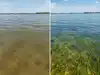
North Carolina removed invasive carp from Lake Mattamuskeet in a restoration effort; an earlier removal campaign increased water clarity more than fourfold and expanded underwater grasses by 16,000 acres
Lake Mattamuskeet in North Carolina has seen a dedicated restoration initiative aimed at curbing the invasive common carp's adverse effects on aquatic life. Launched in 2019, the program employed historical removal strategies to diminish carp numbers. Although some progress was detected, studies revealed the remaining carp were not a significant ecological threat. This case underscores the inherent challenges of ecological restoration and the efficacy of traditional approaches in sustaining biodiversity.
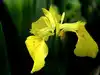
America brought yellow flag iris in for gardens; it escaped into wetlands, reached more than 40 states, and now congests water flow while crowding out native plants
The yellow flag iris, first brought to North America in the 1800s, quickly evolved from an ornamental plant to a widespread ecological threat. This plant flourishes in wetland environments, spreading across 40 states and outcompeting local flora. Its vigorous underground rhizomes and prolific seed production make removal difficult. Active management and monitoring are essential to control its invasive impact on delicate ecosystems.

Chicago’s lost wetlands are coming back. Here’s how scientists, beavers and muskrats are rebuilding the Calumet region
Sometimes restoring nature isn't about building something new. It's about fixing what was broken and giving nature the chance to rebuild itself. The idea fits the Calumet landscape remarkably well. Read more here
In 2021 it was raining fish in Texas: How a storm sparked a social media frenzy and a strange wildlife mystery wrapped in theories
In a remarkable event on December 29, 2021, Texarkana residents witnessed an astonishing phenomenon as fish fell from the sky. An abundance of dead gizzard shad littered the area, prompting various explanations to surface. Among these was the idea of avian involvement. Despite rumors of a waterspout, no such occurrence was logged, keeping the actual cause of the fish's arrival shrouded in intrigue.
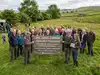
3,000 North Yorkshire locals raised about £400,000 to purchase Long Lands Common, protected it from development; now it serves as a natural ecosystem for animals
Residents of North Yorkshire raised funds to buy Long Lands Common and prevent its development. About 3,000 individuals invested in community shares costing £50 each, surpassing their fundraising goal. They transformed the former farmland into a wildlife habitat with tree planting and creation of ponds. The initiative expanded to include an additional 60 acres known as Knaresborough Forest Park.
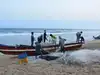
Indian fishermen participate in Rosatom’s unique International Fishing Tournament
Rosatom organised an International Fishing Tournament near Russia’s Kalinin Nuclear Power Plant in the Tver region, bringing together 22 amateur anglers and 28 journalists and experts from 11 countries, including India. The Indian team comprised Tamil Nadu fishing enthusiasts Ziegen Joseph and Chandrasekar Ravi.

French mother and Black American father, kidnapped in infancy and raised as a live-in servant in a Swiss family; at 16, Daniel Pauly, ‘The Ocean’s Whistleblower’ escaped Germany and made a massive database covering 36,000+ fish species
Daniel Pauly was born in Paris and faced numerous hardships, including being raised in Switzerland without parental love. After fleeing his unconventional childhood, he pursued higher education and researched fisheries management across multiple continents. His work led to the creation of FishBase and the Sea Around Us project, which quantifies human impacts on global fisheries.
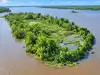
From 2002, Louisiana dumped up to 1.8 million cubic yards of dredged mud near Horseshoe Bend, and the river turned it into a 35-hectare island
Since 2002, dredgers on the Lower Atchafalaya River in Louisiana have adopted a groundbreaking sediment placement technique. This has resulted in the formation of Horseshoe Bend Island, a vibrant habitat for various plant and animal species. Studies show that this island plays a crucial role in removing harmful nutrients, improving regional water quality.
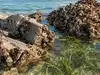
In 2003, Florida reused 6,000 tons of concrete rubble in Pensacola Bay: The material helped build a 7-acre oyster reef, and seagrass later spread to 2.5 acres
Downtown Pensacola has witnessed an inspiring transformation through Project GreenShores, which repurposed recycled concrete rubble into a vibrant living reef. This collaborative effort among various local and federal agencies has successfully established oyster habitats and expanded seagrass meadows in the bay. Scientific evaluations indicate that the recycled materials are safe for aquatic wildlife, highlighting an effective strategy for restoring coastal environments using construction waste.
Alaska is checking boats for this tiny invader. Here’s why one mussel has scientists worried
What if one tiny mussel could trigger a massive problem for Alaska’s lakes, rivers and water infrastructure? Let's dig deeper to find out more.
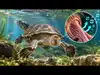
Science says some turtles can breathe through their rear ends, but the real biology is stranger than you can imagine
What these turtles do is considerably more complex than the phrase “breathing through their rear ends” suggests. They move water over specialized tissues packed with blood vessels, allowing dissolved oxygen to diffuse into the bloodstream. As oxygen levels change, they can also adjust their circulation and metabolism, while colder temperatures slow their metabolic rate and reduce the amount of oxygen their bodies need.

Seoul used 1 daylighted buried stream to solve urban heat issues across 10km of concrete highway; the result transformed an asphalt corridor into a cool public park
Seoul once buried a stream beneath a major highway, turning a natural waterway into a corridor of concrete and traffic. Years later, the city reversed that decision. The highway came down, the Cheonggyecheon stream was restored, and the space became a long public green corridor. The surprising part was not only the new park. The restored water and vegetation also helped lower temperatures around the urban corridor.
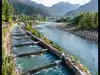
China used a 480m fish bypass channel to solve migratory habitat blockage on a 134km canal; the result transformed fragmented waterways into thriving aquatic corridors
China’s 480-meter fish bypass is turning an engineering barrier into a route for wildlife. Built alongside a 134-kilometer canal, the passage helps migratory fish move between habitats that had become separated by human infrastructure. Instead of changing the entire waterway, engineers created a dedicated corridor where fish can navigate around the blockage. That small intervention has a larger ecological purpose. Connected waterways give fish access to breeding, feeding and seasonal habitats.
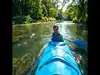
In 2014, Massachusetts' JRWA began work to remove a dam sitting 10 feet below the Elm Street Bridge. 5 years later, the Jones River was freed for alewife, eels and trout once again
Elm Street project was also part of a broader sequence of restoration work on the Jones River. A previous obstacle, the Wapping Road Dam, had been removed in 2011. A Massachusetts feasibility report notes that this earlier removal opened approximately 3.7 miles of Jones River main-stem habitat and 18.3 miles of tributary habitat.
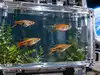
In 1998, scientists sent 4 pregnant swordtail fish and 200 babies into space; near the end of the mission, the fish suddenly began swimming in continuous loops
In an unprecedented experiment in 1998, swordtail fish were launched into orbit on the space shuttle Endeavor to explore how life persists without gravity. They initially thrived, swimming well in their custom habitat. However, by the ninth day, they began to exhibit looping movements, a reaction caused by the absence of gravity. Once back on Earth, the fish experienced a brief phase of clumsiness but quickly regained their swimming abilities.
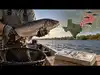
Texas will pay you $100 for catching this invasive fish as officials warn anglers to ‘Keep, Cool, Call’
Texas is offering anglers $100 for every invasive black carp caught and reported as part of a multi-state research effort. Anyone who believes they have caught a black carp is being urged to follow the “Keep, Cool, Call” procedure. Here’s why the fish is a concern for freshwater mussels and what anglers should do if they catch one.
Load More

