CHINA EXPORT CONTROLS

Increase in renewable energy curbs emissions growth in 2025, IEA says
Global emissions growth slowed in 2025. Solar power expansion in developing nations helped balance emissions increases in advanced economies. India saw emissions fall for the first time in normal economic conditions. China also recorded lower emissions due to leading solar capacity additions. The United States experienced an emissions rise.
India turns the tables on China: The great supply chain flip begins
India's electronics sector is transforming. For years, the country assembled products using imported parts. Now, Indian companies are exporting electronic components, even to China. This marks a significant shift from just assembly to deeper manufacturing involvement. This change is driven by government policies and global manufacturers.

Nvidia CEO Jensen Huang warns against curbs on US chip sales to China
Nvidia chief executive Jensen Huang has cautioned against US restrictions on advanced chip exports to China, warning that the curbs are accelerating Chinese capabilities and hurting American companies. The statements were made on a podcast hosted by Dwarkesh Patel on April 15.

Chirag Paswan flags spice export quality issues, says rejections are “disheartening and embarrassing”
Union Minister Paswan highlighted spices’ historic role in India’s trade and their vast untapped potential beyond culinary use.

India-China energy cooperation doesn't require warm relations, or lofty civilisational rhetoric
India and China face a new opportunity in energy markets. Past cooperation in Africa, despite challenges, shows potential. Both nations seek stable energy imports, bypassing geopolitical risks. This shared need can drive future joint ventures. New energy projects in Africa could form a strong foundation for collaboration. This pragmatic approach is vital for securing energy supplies.

‘America’s petro-imperialism in Iran has already hiked US fuel cost by $20 billion’
Jeff D. Colgan highlights the economic toll of the Iran war on American households. He explains how US military actions against oil-producing nations are linked to global oil markets. The discussion covers 'petro-imperialism' versus 'petro-consumerism'. Profits from higher oil prices benefit some producers, while major oil companies face complex challenges. The shift in US oil export status influences foreign policy.
- Go To Page 1

US lawmakers scale back bill targeting Chinese chipmaking
A US bill to limit China's access to advanced chipmaking equipment has been modified. The legislation still aims to restrict ASML's deep ultraviolet lithography machines. The bill seeks to align international controls on technology. Manufacturers expressed concerns about the earlier version. The House Foreign Affairs Committee plans a vote next week.

Rockwell expands its India workforce to 4,000
About a decade ago, the industrial automation and digital transformation company had around 700 employees in India.

'Your ships will be sunk by our first missiles': Iran warns US over Strait of Hormuz
The military adviser to Iran's supreme leader Mojtaba Khamenei on Wednesday warned that Iran would sink American ships in the Strait of Hormuz if the United States decided to "police" the key shipping bottleneck. Mohsen Rezaei, a former commander-in-chief of Iran's Revolutionary Guards who was named as a military adviser by Khamenei last month, told state TV. "These ships of yours will be sunk by our first missiles and have created a great danger for the US military.
Trump caught between the devil and the deep Gulf sea
President Trump faces a critical challenge as the United States appears to be losing its conflict with Iran. This situation threatens his presidency and historical standing. Recent diplomatic efforts have failed, and a naval blockade has been imposed. The consequences could be severe, impacting global economics and Trump's political future. He may seek new negotiations to avert further crisis.
Donald Trump jitters push US allies toward Japan’s most significant military shift since World War II
Japan is set to ease its strict arms export rules. This move is attracting significant interest from countries like Poland and the Philippines. Defense companies are preparing to meet this new demand. This development could reshape global defense supply chains. Japan aims to bolster its military industrial base and support allies.
China dismisses US accusations of military pressure on Taiwan
Beijing has accused Washington of distorting facts and harbouring malicious intentions concerning China's military activities around Taiwan. A Chinese spokesperson stated that Taiwan is an internal affair and warned the US to handle related matters prudently. This comes after the US urged China to cease military pressure on the island.

EU firms rethinking China operations over rare earths curbs: Lobby
China's strict export controls on rare earths are making European companies reconsider their business in China. These controls are seen as a major risk. Businesses are now actively planning for alternatives. This shift is expected to have a significant economic impact. The use of export curbs as a tool in international disputes is likely to continue.
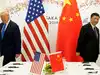
'Don't meddle in our affairs': China backs Iran, warns US against interference after Hormuz blockade
China has backed Iran and warned against outside interference following the US announcement of a naval blockade on maritime traffic linked to Iranian ports. Beijing confirmed its vessels continue to operate in the Strait of Hormuz, stressing its economic ties and commitment to honouring agreements with Tehran.
Trump's Naval blockade of Hormuz is an economic warfare, harms global economy
America threatens a naval blockade in the Strait of Hormuz. This marks a move from diplomacy to economic warfare. The US aims to cut Iran's oil revenue. This strategy seeks to force Iran back to negotiations. However, it carries significant risks of escalation. Global energy markets and international relations face potential instability.
China calls reports it supplied weapons to Iran 'baseless smears'
China has rejected claims that it is supplying or planning to supply weapons to Iran, calling the reports “baseless smears” after US intelligence leaks and media reports suggested possible military transfers. The denial comes amid renewed trade and security tensions between Beijing and Washington.

View: Failed Iran-US talks show limits of Pakistan’s peace push
Middle powers, led by Pakistan and backed by China, brokered peace talks between the US and Iran, but failed to secure a deal. Despite the collapse, the effort highlights an emerging regional order driven by shared interests in stability and oil flow, though ultimate outcomes remain subject to great power rivalries.
Trump returns to weary and failing playbook with Hormuz blockade threat
Global oil markets are watching US President Donald Trump's threat to blockade the Strait of Hormuz. This action follows failed talks with Iran and has already caused oil prices to jump. The waterway is vital for global supply. Iran's reaction to this escalation is key. Further attacks on oil facilities could create a full-blown emergency.
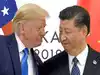
Iran war diverts US military and attention from Asia ahead of Trump's summit with China's leader
Fifteen years after a pivot to Asia was declared, the U.S. remains entangled in Middle East conflicts, diverting military assets and attention from China's growing influence. This distraction raises concerns about regional stability and the ability to counter Beijing's ambitions, particularly regarding Taiwan. The ongoing demands of Middle East engagements are impacting U.S.

China's expanding surveillance state and crackdowns draw global scrutiny
Concerns grow over China's global surveillance technology and repression of Uyghurs. The World Uyghur Congress highlighted these issues. Activists marked 36 years since the Baren Uprising, a key moment of Uyghur resistance. Demonstrations called for justice. China's new economic security framework also raises global unease.

Pakistan’s Hormuz moment: mediator gains, but strategic test lies ahead
Pakistan has emerged as a key mediator between Washington and Tehran. This diplomatic role marks a significant shift for Islamabad. The country's geographical advantage and Iran's trust have been crucial. Pakistan's leadership may leverage this new standing for domestic political gains. The unfolding of the truce will determine the long-term impact of Pakistan's mediation efforts.

Super Micro begins independent probe after criminal case against cofounder, others
Super Micro is investigating an indictment against three individuals for export-control violations. The company is also reviewing its trade compliance. US authorities allege a scheme to reroute servers to China. Super Micro placed two individuals on leave and terminated another. The alleged scheme involved billions in US AI technology. The investigation is led by independent board members.

China hikes gasoline, diesel prices again
Beijing already hiked gasoline and diesel prices on March 23 as part of preparations for a fuel crisis amid apprehensions over the current US-Israel-Iran war. Because of control measures, the prices of gasoline and diesel will increase by $61 and $58 per tonne, respectively, it said.

Is US preparing to seize Kharg island, and how can Iran respond? Latest Iran news today and Middle East war developments
Is US preparing to seize Kharg island, and how can Iran respond? The question has gained attention after comments by Donald Trump and rising military activity involving the United States and Iran. Kharg Island plays a key role in Iran oil exports and global energy supply. Airstrikes, military deployments, and threats linked to the Strait of Hormuz have increased fears of escalation and wider regional conflict.

Tariffs hit hard, but this Chinese factory found a way to thrive
Trump tariffs China manufacturing: US tariffs initially disrupted Agilian Technology's operations, freezing orders and causing inventory buildup. However, China's retaliatory measures and a manufacturing rebound in late 2025 allowed the electronics maker to recover. While exploring diversification, Agilian found China's established supply chains and lower costs indispensable.
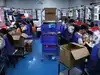
Trump, tariffs and turmoil: How one factory in China learned to live with it
American tariffs aimed to disrupt Chinese manufacturing. However, companies like Agilian Technology found China's production capabilities hard to replace. While facing order freezes and client demands for offshore production, China's retaliatory measures and a subsequent tariff reduction allowed manufacturing to recover. This resilience may surprise U.S. President Trump as he seeks to reindustrialize America.

China issues guidance for ecommerce including for cross-border trade
The guidance called for striking a balance between promotion and regulation, integrating the digital and real economies, as well as forming pilot zones for cross-border ecommerce activities and setting up rules and standards.
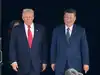
Trump's trade war with China in focus ahead of May summit
President Donald Trump will visit China in May for talks with President Xi Jinping. This meeting follows a year of trade disputes and tariffs between the two economic giants. Recent developments show ongoing negotiations and reciprocal actions. The visit is highly anticipated as both nations manage their complex trade relationship.
Load More