


Listen to this article in summarized format
×
Subscribe to

Unlock AI Briefing and Premium Content
New Year Offer 24 Hours Left
Subscribe NowAlready a member? Sign In
What's Included
- Exclusive Stories
- Daily ePaper Access
- Smart Market Tools
- Curated Investment Ideas
- Ad-lite Experience
Subscription

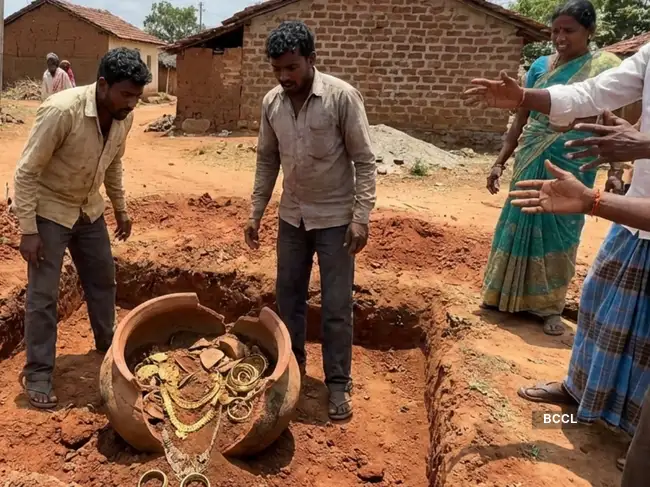
A routine house construction in Lakkundi, a historic village in Karnataka, turned into an unexpected discovery when workers dug up a pot of gold ornaments buried underground. The find immediately caused a stir, with locals and history enthusiasts speculating about a hidden treasure in the centuries-old settlement.
However, experts were quick to manage expectations. According to PTI, the State Archaeology Department confirmed that the ornaments do not qualify as archaeological treasure. Instead, the gold appears to be ordinary household jewellery, a common practice in past centuries.
Ordinary Ornaments, Not Royal Wealth
Ramesh Mulimani, Superintendent of the Dharwad Circle of the Archaeology Department, explained that it was customary for families to bury their valuables near kitchens or hearths to protect them from theft. The Lakkundi find, he said, consists of simple, broken ornaments that were likely used by ordinary households rather than elites or royalty.
The absence of coins or ceremonial objects further suggests that these were everyday possessions rather than items of royal significance.
Dating Back Nearly 1,000 Years
Researchers believe the jewellery dates to the 11th or 12th century, during Lakkundi’s peak as a cultural and economic hub under the Chalukya dynasty. The village, located in the present-day Gadag district, is known for its ancient temples, stepwells, and stone inscriptions, reflecting its historical importance.
Appanna Hanje, a researcher, noted that the ornaments weigh approximately 470 grams and feature simple designs, clearly distinguishing them from the intricate royal jewellery of the era. Such finds give insight into the lives of common people who lived in medieval Lakkundi.
Lakkundi’s Rich Past Makes Finds Plausible
Over the years, more than 150 inscriptions, temples, and sculptures have been unearthed in the village. Archaeologists say that household finds like buried gold are consistent with historical practices and reflect the prosperity of ordinary residents at the time.
Family Requests Return or Compensation
The discovery has led to a dispute, as the family who found the gold has requested either its return or compensation. They argue that the jewellery has no archaeological value and could have belonged to their ancestors.
“We do not want the gold. The government should build a house for us. If that is not possible, the ornaments belonging to our grandfather and great-grandfather should be returned to us,” the family told PTI.
Gold Remains in Official Custody
As per the TOI report, the gold is currently in government custody as experts continue their assessment. Smita Reddy, an archaeology expert, is expected to visit the site soon to confirm the ornaments’ exact period.
While the discovery may not be historically groundbreaking, it sheds light on the everyday lives of people in medieval Lakkundi, showing how families safeguarded their wealth long before modern locks and safes existed.
Inputs from TOI
(You can now subscribe to our Economic Times WhatsApp channel)
Local Resident Stumbles Upon Buried Jewellery
Gangavva Basavaraj Ritti, a resident of the village, discovered the gold inside a copper vessel while digging for her new home’s foundation. She promptly informed authorities, and officials from the State Archaeology Department arrived to examine the artefacts. News of the discovery spread quickly, fuelling curiosity about the village’s historic secrets.However, experts were quick to manage expectations. According to PTI, the State Archaeology Department confirmed that the ornaments do not qualify as archaeological treasure. Instead, the gold appears to be ordinary household jewellery, a common practice in past centuries.
Ordinary Ornaments, Not Royal Wealth
Ramesh Mulimani, Superintendent of the Dharwad Circle of the Archaeology Department, explained that it was customary for families to bury their valuables near kitchens or hearths to protect them from theft. The Lakkundi find, he said, consists of simple, broken ornaments that were likely used by ordinary households rather than elites or royalty.The absence of coins or ceremonial objects further suggests that these were everyday possessions rather than items of royal significance.

Dating Back Nearly 1,000 Years
Researchers believe the jewellery dates to the 11th or 12th century, during Lakkundi’s peak as a cultural and economic hub under the Chalukya dynasty. The village, located in the present-day Gadag district, is known for its ancient temples, stepwells, and stone inscriptions, reflecting its historical importance.Appanna Hanje, a researcher, noted that the ornaments weigh approximately 470 grams and feature simple designs, clearly distinguishing them from the intricate royal jewellery of the era. Such finds give insight into the lives of common people who lived in medieval Lakkundi.
Lakkundi’s Rich Past Makes Finds Plausible
Over the years, more than 150 inscriptions, temples, and sculptures have been unearthed in the village. Archaeologists say that household finds like buried gold are consistent with historical practices and reflect the prosperity of ordinary residents at the time.Family Requests Return or Compensation
The discovery has led to a dispute, as the family who found the gold has requested either its return or compensation. They argue that the jewellery has no archaeological value and could have belonged to their ancestors.“We do not want the gold. The government should build a house for us. If that is not possible, the ornaments belonging to our grandfather and great-grandfather should be returned to us,” the family told PTI.
Gold Remains in Official Custody
As per the TOI report, the gold is currently in government custody as experts continue their assessment. Smita Reddy, an archaeology expert, is expected to visit the site soon to confirm the ornaments’ exact period.While the discovery may not be historically groundbreaking, it sheds light on the everyday lives of people in medieval Lakkundi, showing how families safeguarded their wealth long before modern locks and safes existed.
Inputs from TOI
Add  as a Reliable and Trusted News Source
as a Reliable and Trusted News Source Add Now!
(You can now subscribe to our Economic Times WhatsApp channel)