
WILDLIFE REFUGES
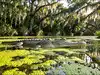
Florida’s American alligators do way more than hunt in the Everglades. Scientists studied 10 alligator ponds and discovered how these reptiles create wildlife refuges and enrich wetland soils
American alligators are involved in environmental management. They excavate ponds, re-locate sediment and transfer nutrients. This is of benefit to other species as water levels in the Everglades can drop. A study of 10 alligator ponds in the Everglades showed that alligators impact on both the nutrient cycle and the well-being of wetland environments.
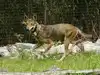
North Carolina brought two endangered red wolves together at a wildlife refuge in 2024; the male died, but in spring 2025 the female gave birth to three wild pups
A pair of endangered red wolves successfully mated in North Carolina and produced three cubs before the male's death. These cubs represent a significant step in conservation efforts for this rare species. Wildlife biologists are monitoring the new family to gather crucial developmental data. Observations aim to improve future breeding strategies for red wolves. The ongoing research contributes to understanding their natural behavior and enhancing survival chances.

Connecticut restored 34 acres of damaged salt marsh in 2022; two years later, native grasses were thriving, and shorebirds were nesting on newly built mounds
A major salt marsh restoration project at Great Meadows Marsh in Connecticut is showing promising results for coastal wildlife and biodiversity. After a $4.65 million rehabilitation effort, the 34-acre wetland has seen the return of endangered saltmarsh sparrows and the growth of native marsh plants. The project highlights how wetland restoration, coastal conservation and habitat recovery can protect biodiversity, reduce flood risks and create healthier ecosystems amid rising sea levels.
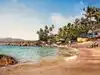
Indian popular tourist spot ranked in among World’s top 10 beaches. Check the list
Goa's Palolem Beach has secured the sixth position in the Global Beach Index 2026, becoming the only Asian beach in the global top 25. Known for its palm-lined bay, calm waters and beachside restaurants, it offers activities such as kayaking, paddleboarding and dolphin-watching trips. The list features 10 beaches across four continents.
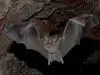
In 1990, a Texas family donated a cave to protect its bats; today, about 4 million female bats use it as a nursery each summer
A Texas family's vision for conservation transformed their cave into the Eckert James River Bat Cave Preserve in 1990, eschewing fertilizer extraction. Annually, about 4 million female Mexican free-tailed bats find refuge here, utilizing the site as their maternity colony during the crucial breeding season from May to September. Dedicated research and management initiatives strive to protect this critical habitat and deepen understanding of bat population dynamics.
Cox Enterprises conservation deal: Why 4,400 acres at South Carolina's Clarendon Farms will remain wild
Cox Enterprises has successfully safeguarded approximately 4,400 acres in Clarendon Farms, South Carolina. This pivotal conservation initiative, announced in March 2026, aims to protect freshwater wetlands, lush forests, and vital wildlife habitats while curbing any imminent development. Renowned organisation Ducks Unlimited will manage the easement to ensure the area's environmental integrity, showcasing the essential need for safeguarding interconnected ecosystems against escalating urban expansion.
A Tanzanian dam cut a waterfall’s flow by 90%; Engineers built sprinklers to save the coin-sized toad that lived there
A Tanzanian dam cut a waterfall’s flow by 90%, threatening a toad that lived on five acres. Sprinklers, a 499-toad zoo rescue and a 2012 release followed, yet a fungus still wiped it out in the wild. A 2024 study named the culprit, and the species’ survival now rests on pipes, footbaths and small grants.
In 2010, scientists used electric fencing to protect Montana’s black-footed ferrets; coyote sightings in fenced areas fell from 42% to 7%
In Montana, scientists implemented portable electric fencing to reduce coyote predation on endangered black-footed ferrets. The fencing successfully decreased coyote sightings from 42 percent to 7 percent, protecting ferrets during their vulnerable stages. All ferrets monitored within the protected area survived, highlighting the fence's effectiveness. The project demonstrated that temporary measures can significantly aid conservation efforts while minimizing predator interactions.
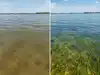
North Carolina removed invasive carp from Lake Mattamuskeet in a restoration effort; an earlier removal campaign increased water clarity more than fourfold and expanded underwater grasses by 16,000 acres
Lake Mattamuskeet in North Carolina has seen a dedicated restoration initiative aimed at curbing the invasive common carp's adverse effects on aquatic life. Launched in 2019, the program employed historical removal strategies to diminish carp numbers. Although some progress was detected, studies revealed the remaining carp were not a significant ecological threat. This case underscores the inherent challenges of ecological restoration and the efficacy of traditional approaches in sustaining biodiversity.
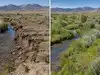
Nevada removed feral horses and burros from Sheldon National Wildlife Refuge; some streamside and upland vegetation gradually recovered
Feral horses and burros were removed from the Sheldon National Wildlife Refuge in Nevada to aid ecosystem recovery. Although some vegetation improved after their removal, the overall impact was slow and varied. Research indicated increased plant diversity and stabilization of riparian areas, contrasting with areas of continued grazing. Advocates for wild horses opposed the mass removals, citing welfare concerns and historical land use issues.

In 2019, one rockstar helped NASA study asteroid Bennu – his 3D images revealed a dangerous rubble-filled world. A look at Queen's Brian May's amazing educational qualifications
Queen's guitarist Brain May is also an astrophycist and an avid animal and tree rescuer. He played an important role in NASA’s OSIRIS-REx mission to asteroid Bennu in 2019, and helped create a 3D inagery that allowed scientists to unravel the secerts of the mysterious asteroid Bennu. He also transformed 157 acres of land into a haven for 100,000 trees and over 700 native British animals.
Gujarat to relocate Maldhari families from Barda Sanctuary
Gujarat has announced a scheme to relocate Maldhari families from the Barda Wildlife Sanctuary. The scheme provides a one-time payment of Rs 15 lakh for families willing to move. Relocating families will receive a 100-square-yard housing plot and additional land for livestock. This initiative aims to create more space for Asiatic lions and reduce pressure on Gir National Park.

Meet Ron Thuma, a Kansas maintenance worker who started with just a handful of family seeds in the 1970s; Decades later, he had shared more than 275 varieties
Ron Thuma began saving heirloom vegetable seeds in the 1970s and built a renowned collection over time. Living in Hartford, Kansas, he combined his gardening passion with a commitment to public service. He volunteered as a firefighter and served as mayor while working at the Flint Hills National Wildlife Refuge. Through Seed Savers Exchange, he distributed over 275 seed varieties to help preserve unique crops.
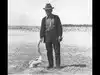
In 1881, Paul Kroegel's family began homesteading along Florida’s Indian River; 22 years later, he became its bird refuge's warden for $1 a month
In the 1880s, Paul Kroegel settled in the Sebastian area, observing brown pelicans nesting on a nearby island. His concern for these birds led him to oppose plume hunters and advocate for their protection. On March 14, 1903, Pelican Island was designated as a federal reservation, with Kroegel appointed as the first warden. Local residents later formed groups to continue the preservation of the area against development threats.
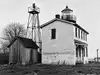
In 2013, Maryland used dredged river sediment to rebuild Battery Island to about 11 acres; crews planted about 60,000 native plants as the island was restored
In 2013, Maryland utilized dredged river sediment to restore Battery Island to provide new habitat for wildlife. The U.S. Army Corps of Engineers removed sediment while also addressing navigational needs in the Susquehanna River channel. About 60,000 native plants were planted to prevent erosion and promote habitat sustainability for various bird species. Although the island's size fluctuated, it successfully preserved the historic lighthouse and enhanced the area's ecological health.
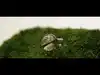
Alaska is checking boats for this tiny invader. Here’s why one mussel has scientists worried
What if one tiny mussel could trigger a massive problem for Alaska’s lakes, rivers and water infrastructure? Let's dig deeper to find out more.

SpaceX moves closer to securing 700 acres of Texas wildlife refuge land after judge clears swap
A federal judge refused to block SpaceX's land swap deal in Texas. Environmental groups are vowing to continue their legal challenge against the exchange. The US Fish and Wildlife Service approved moving forward with the deal in June. The judge found insufficient evidence of ecological risks from the land transfer. SpaceX will acquire over 700 acres of federal land in the refuge.
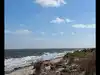
In recent years, workers began restoring 4,000 acres at Delaware's Prime Hook National Wildlife Refuge. Today, new dunes stand nearly 10 feet high as grasses thrive and wildlife returns
Scientists are bringing a damaged delaware wetland back to life begins with a massive repair effort at Prime Hook National Wildlife Refuge. The $38 million project is restoring about 4,000 acres of damaged coastal wetlands. Crews rebuilt two miles of beach and barrier dune after major storms. They also created 25 miles of channels to restore natural tidal flows. The work could offer lessons for vulnerable U.S. coastlines.
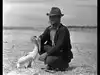
In 1903, Paul Kroegel patrolled a tiny Florida island by boat to save its Pelicans; President Roosevelt turned it into America’s first wildlife refuge
In Florida's Indian River Lagoon, Paul Kroegel took a stand against market hunters targeting nesting birds. His relentless advocacy caught the eye of President Theodore Roosevelt, resulting in the creation of Pelican Island, the inaugural Federal Bird Reservation in 1903. Roosevelt's vision led to the establishment of numerous preserves, shaping a refuge system that now safeguards over 560 million acres of vital land and water resources.
Load More


