
WETLAND SOILS
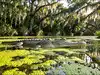
Florida’s American alligators do way more than hunt in the Everglades. Scientists studied 10 alligator ponds and discovered how these reptiles create wildlife refuges and enrich wetland soils
American alligators are involved in environmental management. They excavate ponds, re-locate sediment and transfer nutrients. This is of benefit to other species as water levels in the Everglades can drop. A study of 10 alligator ponds in the Everglades showed that alligators impact on both the nutrient cycle and the well-being of wetland environments.
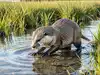
Sea otters reduce erosion of California’s coastal wetlands by 69%, says study
California's sea otters are preserving wetlands in Elkhorn Slough of Monterey County. They have decreased the rate of erosion on tidal creeks and salt marshes. The areas with high sea otter numbers have seen an average decrease in the rate of erosion of 69%, a study published in Nature said.
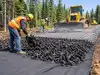
In 1985, Minnesota began burying shredded old tires beneath weak logging roads; by 1994, seven test sites had shown the waste could work as lightweight road fill
In Minnesota, engineers have utilized shredded tires as a lightweight material for road construction over unstable soil. This innovative approach addressed the dual issues of waste management and road stability, allowing for better support on weak ground. Seven test sites demonstrated significant reductions in road settlement compared to conventional materials, leading to improved performance in damp conditions.

Connecticut restored 34 acres of damaged salt marsh in 2022; two years later, native grasses were thriving, and shorebirds were nesting on newly built mounds
A major salt marsh restoration project at Great Meadows Marsh in Connecticut is showing promising results for coastal wildlife and biodiversity. After a $4.65 million rehabilitation effort, the 34-acre wetland has seen the return of endangered saltmarsh sparrows and the growth of native marsh plants. The project highlights how wetland restoration, coastal conservation and habitat recovery can protect biodiversity, reduce flood risks and create healthier ecosystems amid rising sea levels.
Reinventing the pond: How this Bengal start-up is helping fish farmers battle climate and credit crisis
At a time when climate change is impacting world resources, including the aquatic system, Jalpaiguri’s Essential Aquatech is working to empower smallholder fish farmers by turning data into actionable insights and measures.
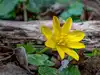
In the late 1800s, Americans planted lesser celandine for its bright yellow flowers; it escaped gardens, reached 31 states and covered 400 acres in one Ohio park
Lesser celandine, once embraced for its beauty, has turned into a significant environmental challenge across multiple regions. This invasive plant emerges early in the spring, aggressively overshadowing native wildflowers and disrupting the delicate balance of woodland ecosystems. Its robust ability to regenerate from underground parts complicates eradication efforts, making careful management essential. Gardeners are encouraged to choose native plant species, which support local biodiversity and eliminate ecological harm.
- Go To Page 1

America brought yellow flag iris in for gardens; it escaped into wetlands, reached more than 40 states, and now congests water flow while crowding out native plants
The yellow flag iris, first brought to North America in the 1800s, quickly evolved from an ornamental plant to a widespread ecological threat. This plant flourishes in wetland environments, spreading across 40 states and outcompeting local flora. Its vigorous underground rhizomes and prolific seed production make removal difficult. Active management and monitoring are essential to control its invasive impact on delicate ecosystems.
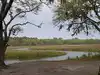
In 2019, Georgia placed 5,000 cubic yards of dredged sediment on a 5-acre salt marsh; six years later, it remained about 12 cm higher, with plant growth similar to nearby marshes
Wetlands serve as vital buffers in coastal regions, adeptly mitigating storm impacts while also acting as natural filters for pollutants. A recent initiative on Jekyll Island explored the advantages of sediment nourishment for restoring marshlands. Remarkably, over six years, the project elevated marsh height by 12 cm. This promising approach not only shields wetlands from rising sea levels but also boosts biodiversity and overall environmental integrity.
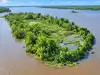
From 2002, Louisiana dumped up to 1.8 million cubic yards of dredged mud near Horseshoe Bend, and the river turned it into a 35-hectare island
Since 2002, dredgers on the Lower Atchafalaya River in Louisiana have adopted a groundbreaking sediment placement technique. This has resulted in the formation of Horseshoe Bend Island, a vibrant habitat for various plant and animal species. Studies show that this island plays a crucial role in removing harmful nutrients, improving regional water quality.
In 2019, AXA launched a $175 million climate and biodiversity fund. Within a year, $41.5 million had been allocated to projects targeting measurable environmental outcomes
In July 2019, AXA Group launched a $175 million private equity vehicle with a mandate that traditional financiers usually leave to non-profit foundations. The fund set out to test whether commercial capital could generate market-rate returns while restoring ecosystems, managing water basins, and protecting threatened species. Structured as a 12-year private equity pool, the fund marked a deliberate departure from standard corporate philanthropy by treating natural capital as a core financial asset rather than an operational expense.
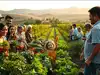
Quote of the day by Jean-Jacques Rousseau, 'You forget that the fruits belong to all and that the land belongs to no one' offers timeless lessons on human connection, emotional well-being, purpose, meaning, validation
Quote of the day by Jean-Jacques Rousseau remains a powerful advice because it challenges a question that has never disappeared: who truly benefits from the earth? Its meaning can be interpreted through philosophy, economics, environmentalism and social responsibility, but its central message remains clear. Human beings depend upon resources they did not create and inherit a natural world they did not build.
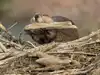
In 2019, 2 beavers were released in Yorkshire’s Cropton Forest. 5 years later, 6 dams are slowing floodwaters and reviving wildlife
A five-year experiment in North Yorkshire shows how beavers can reshape ecosystems while helping manage floodwater. Two beavers built six dams in Cropton Forest, creating wetlands and boosting habitats for plants, amphibians, mammals and insects. Researchers found the dams reduced peak water flows by nearly half, highlighting how natural engineering could complement wider flood-management and restoration efforts.
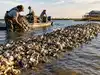
Louisiana collected 200 tons of discarded oyster shells from 19 restaurants and built a 400-foot reef; it now shields Pointe-au-Chien tribal land from erosion
Louisiana's coastline is rapidly disappearing, prompting a unique restoration effort. The Pointe-au-Chien tribe is using recycled oyster shells from restaurants to build protective reefs. These reefs help slow erosion and protect tribal lands from rising sea levels. Oyster reefs also naturally filter water and support local fish populations. This innovative approach offers a sustainable defense against coastal land loss.

What America’s $100 billion Venezuela oil investment could mean for climate change, oil spills and vulnerable communities
A significant United States investment in Venezuela's oil sector raises environmental concerns. Increased oil production could worsen existing issues like pollution and aging infrastructure. Vulnerable communities and protected areas face potential risks from expanded operations. Transparency regarding oil field locations and safeguards remains critically important. The deal's environmental impact hinges on oversight and adherence to standards.
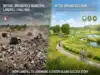
In 2010, New York spread 2 million tons of clean soil over a former landfill. 7 years later, the site reopened as a 258-acre park with wetlands, woodlands, ponds and trails
New York City transformed a former landfill into Brookfield Park. This extensive project involved capping and remediating the site for public use. Over two million tons of clean soil were spread across an impermeable barrier. The park now features meadows, wetlands, woodlands, and walking trails. Community participation guided the transformation of this former waste facility.
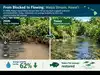
In 2006, Hawai‘i listed Waipā Stream, after dense hau bush trapped sediment and blocked fish. Today, restoration cut average turbidity by 62% and restored native fish passage
Waipā Stream restoration efforts significantly improved water quality and aquatic habitats. Invasive hau bush removal and feral pig control reduced sediment pollution. Constructed wetlands and riparian revegetation further enhanced stream conditions and native fish populations. Measurable improvements led to the delisting of turbidity and nutrients from impaired waters. Continued community commitment ensures ongoing watershed protection and management for the future.
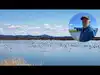
In 2021, an Oregon farmer turned 70 acres of his barley farm into a wetland. Four years later it attracts thousands of birds and helps endangered fish survive
In Oregon, a farmer has transformed seventy acres of barley into a thriving managed wetland, fostering a habitat for countless waterfowl and various bird species. This revitalized ecosystem is also vital for two endangered fish species. Researchers have documented fifty adult-sized suckers in these nursery ponds, showcasing the successful balance of agriculture and ecological restoration.
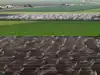
Since 2014, US farmers have been deliberately flooding their fields to create habitat for migratory birds; a decade later, 180,000 acres of farmland have become temporary wetlands serving as vital habitat for millions of birds
BirdReturns pays farmers to flood fields, creating vital temporary wetlands for migrating birds. This initiative helps birds and also replenishes groundwater supplies in California. The program uses technology to identify optimal times and locations for habitat creation. Similar managed flooding projects are being studied in the Mississippi Delta region. These efforts aim to support bird populations and improve environmental conditions.
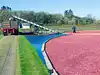
This cranberry farm in Massachusetts got converted to a wetland. Today, 20,000 native plants are restoring the ecosystem back
In Massachusetts, a former cranberry farm has undergone a remarkable transformation into a sprawling wildlife sanctuary. This successful restoration project highlights the importance of reviving freshwater wetlands after agricultural practices. With the return of native flora and fauna, the ecological balance has significantly improved. This initiative sets an inspiring precedent for revitalising similar retired agricultural landscapes across the state, fostering biodiversity and providing vital storm protection.
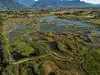
Prineville built a 120-acre wetland instead of a new wastewater plant; the Oregon system cost $7.7 million and saved the city $54 million versus conventional treatment
Prineville, Oregon, built a wetland wastewater system after population growth strained its capacity. This innovative approach cost $7.7 million, saving the town $54 million compared to a conventional plant. The constructed wetland now treats wastewater and provides recreational park space for residents. This project has earned national recognition for its environmental and economic benefits. Other small towns can learn from this creative infrastructure solution.
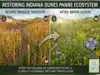
In 2009, Great Lakes IPMT helped restore 1 invaded panne at Indiana Dunes. 17 years later, native flowers now bloom in the wetland where invasive plants once formed a dense monoculture
Indiana Dunes National Park faced a challenge as invasive plants colonized its delicate panne ecosystem. A dedicated partnership was formed to tackle the spread of common reed, hybrid cattails, and purple loosestrife. Implementing consistent herbicide treatments over almost two decades has led to a remarkable transformation, with native species now thriving where invasives once reigned.
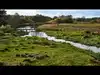
In 1987, Denmark launched restoration of 2,200 hectares around the Skjern River. 19 years later, SPA status arrived in 2006 as wildlife returned to the restored wetlands
Denmark restored the Skjern River wetlands after agricultural decline and pollution. The project re-meandered over twenty kilometers of river and restored habitats. Wildlife returned, meeting conservation targets for Special Protection Area status. New shallow lakes and improved conditions benefited various species and salmon. The restored landscape also became accessible for public recreation and tourism.
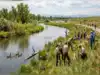
In 2002, Shattuck Chemical agreed to pay $1.25 million for restoration of South Platte River following years of chemical release. 10 years later, the river was restored for migratory birds and native species
Hazardous substances near Shattuck Chemical Company prompted a settlement for restoration projects. Funds supported habitat improvements along Colorado's South Platte River and Eastern Plains. Restoration projects enhanced wetland and riparian areas for migratory birds. Denver's Overland Pond Park also saw habitat and riverbank improvements.
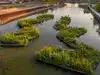
In Chicago, a Shedd Aquarium-backed team built floating gardens, and after years on the Chicago River, they've now spread to Bubbly Creek
In Chicago's Bubbly Creek, innovative floating wetlands are taking center stage in the fight against pollution. These modular systems not only soak up excess nutrients but also create vital habitats for aquatic creatures. Research highlights their effectiveness in enhancing water quality over time, and scientists are exploring their ability to tackle stubborn pollutants such as PFAS. Although they aren't a panacea, these initiatives symbolize significant progress in ecological restoration.
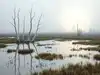
Massachusetts’ 2022 drought pushed seawater into a coastal marsh, triggering an 83% crash in methane emissions; the wetland still hadn’t recovered a year later
In 2022, Massachusetts experienced a significant drought that led to seawater intrusion in a coastal marsh. This unusual phenomenon resulted in a dramatic reduction of methane emissions by almost eighty-three percent. Even after the return of normal rain, the marsh did not revert to its former state due to prolonged salt exposure, which disrupted microbial communities and curtailed methane production.
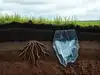
Hidden Climate Trigger? What Scientists Found Beneath Our Soil
Vast carbon reserves lie hidden beneath farms, forests, and frozen Arctic soil. These underground stores, built over centuries, are now understood to play a crucial role in future climate warming predictions. Scientists are actively studying these hidden reserves, as their stability or release can significantly impact global temperature projections. Understanding this hidden carbon is vital for accurate climate forecasts.
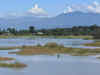
NISAR: NASA-ISRO radar mission to provide dynamic view of forests, wetlands
The joint radar mission between NASA and ISRO, NISAR, will offer detailed insights into two types of ecosystems - forests and wetlands - vital to naturally regulating the greenhouses gases in the atmosphere that are driving global climate change. The NISAR mission will be equipped with advanced radar systems to scan almost the entire land and ice surfaces of our planet every 12 days.
CMFRI teams up with ISRO to collect wetland data in the country
The mobile app is aimed at generating a centralised digital database of the smaller wetlands (2.2 ha) across the country.

IIT Ropar allocates land for lab to address farmers' soil and water related issues
IIT Ropar has adopted the Sutlej-Beas Doab Region including the Harike Wetlands and wetlands around the region to analyze the falling/ deteriorating grounds level patterns.
Load More

