
WATER QUALITY RESTORATION

New York used 75,000 recycled oyster shells to solve coastal erosion across 100 acres of harbor; the result transformed degraded seabed into vibrant living reefs
Discarded oyster shells from restaurants in New York City are repurposed to restore underwater reefs. The Billion Oyster Project works with local businesses to collect and reuse shells for marine habitats. By the end of 2025, the project reintroduced over 180 million live oysters into the harbor. Research confirms the positive ecological impact of these restored reefs on marine life diversity.

Florida’s American alligators do way more than hunt in the Everglades. Scientists studied 10 alligator ponds and discovered how these reptiles create wildlife refuges and enrich wetland soils
American alligators are involved in environmental management. They excavate ponds, re-locate sediment and transfer nutrients. This is of benefit to other species as water levels in the Everglades can drop. A study of 10 alligator ponds in the Everglades showed that alligators impact on both the nutrient cycle and the well-being of wetland environments.
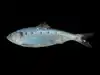
An old dam blocked fish from Plymouth's Town Brook; after the Massachusetts town began clearing barriers in 2002, annual herring runs grew past 200,000 in many years
Plymouth has successfully increased the river herring population by removing several barriers blocking their migration. The first significant removal occurred in 2002 and led to additional projects improving fish passage. Currently, over 200,000 herring migrate annually, up from just 25,000 in the past. Conservation efforts include enhancing spawning habitats and monitoring fish through a camera at Jenney Grist Mill.
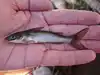
Illinois took down a large dam on the Des Plaines River in 2012; soon after, 10 fish species not recorded before appeared in the old pool, including channel catfish
The dismantling of Hofmann Dam in 2012 marked a significant ecological shift by enabling channel catfish and other species to migrate upstream. For years, this barrier hindered fish movement. After its removal, studies uncovered ten new fish species thriving in areas previously stagnant. This endeavor is part of a comprehensive plan to revitalize the Des Plaines River's ecosystem, vital for promoting biodiversity within its aquatic habitats.

US Senate backs bill to speed up permitting reviews, force data centers to pay for energy costs
The Senate approved bipartisan legislation aimed at expediting the permitting process for energy projects. This legislation seeks to meet the growing energy demand while addressing rising electricity costs. The bill has faced criticism from environmental groups concerned about weakened protections and potential pollution increases. Various senators have proposed amendments to strengthen the legislation and address tribal sovereignty issues. The bill now awaits consideration in the House after receiving Senate approval.

Illinois drained two lakes for farmland for about 70 years; after conservationists bought Emiquon in 2000 and began restoring the wetlands, spring waterbird counts exceeded 119,000
Since its transformation from farmland into a flourishing wetland began in 2000, Emiquon Preserve has seen extraordinary returns in wildlife, famously attracting over 119,000 waterbirds during the spring counts. Although the project has greatly enhanced wetland habitats and ecological recovery, vigilant management is required to combat threats from invasive species and to maintain aging infrastructures, underlining the importance of ongoing human efforts in environmental sustainability.
- Go To Page 1

Illinois removed dams from Brewster Creek in 2006; by 2014, surveys had found 14 fish species not previously recorded in the restored stretch, including catfish
Since the dismantling of several dams in 2006, Brewster Creek has experienced remarkable ecological transformation. The removal of barriers allowed fish species like smallmouth bass and quillback to flourish in the area, leading to a notable increase in overall fish diversity, with 14 new species discovered. Moreover, the ongoing research highlighted natural channel evolution and sedimentary stability, making Brewster Creek a pivotal reference for future ecological restoration initiatives.
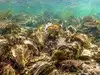
By 2014, South Carolina volunteers had reused 1,100 tons of discarded oyster shells to build 225 living reefs across 69 sites along the state’s coast
In South Carolina, volunteers are collecting discarded oyster shells and returning them to coastal waters for habitat restoration. The SCORE program has seen significant community involvement, with over 25,000 volunteers participating in oyster reef projects. Recycled shells create environments where marine life can thrive and support local ecosystems. The restoration began to reveal positive changes just a few years after implementation.

At China’s big import fair, sellers try to crack a tough market
At the China International Import Expo in Shanghai, a plethora of international firms exhibited their products tailored for the growing Chinese consumer market. Emphasizing the importance of cutting-edge technology and skilled craftsmanship, businesses recognize the fierce local competition, with Chinese manufacturers enhancing their capabilities.

In 2016, a Florida foundation backed a 53-acre waterfront park. Nine years later, its $10 million investment had helped catalyze $50 million in private donations
The Bay Sarasota: A former parking lot along Sarasota Bay is being transformed into a 53-acre public park, with a $10 million contribution from The Patterson Foundation helping catalyze $50 million in private donations. The first 10 acres are open, more than 1.2 million visits have been recorded, and construction continues on the next phase.

Horoscope Today, October 30, 2026: Capricorn, Aquarius and Pisces Focus on Clear Communication, Emotional Balance and Better Choices
The Moon in Gemini highlights practical routines, workplace efficiency, creative problem-solving, and domestic organization. While Jupiter in Cancer brings underlying emotional balance, retrograde Mercury and Venus in Libra advise reviewing budget details, contract conditions, and personal commitments. Debilitated Mars urges patience during team conversations. Today highlights operational workflow management for Capricorn, creative strategy for Aquarius, and domestic resource planning for Pisces.

In 2026, Texas deployed 400 tons of concrete railroad ties off Port O’Connor; the material was arranged into two piles at an artificial reef site
In April 2026, Texas took a significant step by deploying 400 tonnes of concrete railroad ties to form two artificial reef piles. This project is designed to transform the flat bottom of the Gulf into a thriving habitat for marine life. Researchers are closely examining how these artificial reefs influence fish communities, with valid concerns about potential fish migration from other regions.
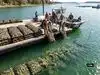
Amid layoff news, how 7 million oysters saved 1,000 jobs and environment in US
More than 7 million oysters have helped protect over 1,000 aquaculture and related jobs in the US while supporting marine conservation. The Supporting Oyster Aquaculture and Restoration (SOAR) programme was launched in 2020 after the COVID-19 pandemic left oyster farmers with large quantities of unsold shellfish. According to The Pew Charitable Trusts, the initiative has purchased oysters from over 150 growers, supported 35 restoration sites across eight US states and helped restore more than 60 acres of native oyster reefs.

Horoscope Today, October 27, 2026: Aries, Taurus and Gemini Reassess Priorities, Relationships and Important Choices
The Moon in Aries activates Bharani nakshatra today, driving transformational energy, background planning, and active social networking. While Jupiter in Cancer provides steady emotional support, retrograde Mercury and Venus in Libra call for caution in official partnerships. Debilitated Mars urges patience during heated debates. Today highlights personal drive for Aries, behind-the-scenes planning for Taurus, and strategic group collaborations for Gemini.

Horoscope Tomorrow, October 17, 2026: Which Zodiac Signs Could See Career Progress, Financial Clarity and Romantic Happiness on Navratri Day 7?
Horoscope tomorrow, October 17, 2026, highlights practical decisions, financial discipline and honest conversations for all 12 zodiac signs. Aries may explore new opportunities, Taurus should protect savings, and Gemini can strengthen professional partnerships. Cancer needs workplace patience, while Leo and Virgo benefit from structured planning. As Sharad Navratri Day 7 honours Maa Kalaratri, the day encourages courage, clarity and steady progress rather than rushed decisions.

North Carolina removed invasive carp from Lake Mattamuskeet in a restoration effort; an earlier removal campaign increased water clarity more than fourfold and expanded underwater grasses by 16,000 acres
Lake Mattamuskeet in North Carolina has seen a dedicated restoration initiative aimed at curbing the invasive common carp's adverse effects on aquatic life. Launched in 2019, the program employed historical removal strategies to diminish carp numbers. Although some progress was detected, studies revealed the remaining carp were not a significant ecological threat. This case underscores the inherent challenges of ecological restoration and the efficacy of traditional approaches in sustaining biodiversity.

ETMarkets Smart Talk| Redirect fresh SIPs to largecaps if mid and smallcaps dominate your portfolio: Pradeep Gupta
Pradeep Gupta, Chairman & MD, Anand Rathi Share and Stock Brokers Limited, explains why largecaps offer greater valuation comfort, how investors should rebalance their equity portfolios, and which sectors could create the next generation of wealth creators in India's mid- and smallcap space.

Centre calls for convergence of JJM 2.0, VB-G RAM G to ensure sustainable rural drinking water
The Department of Drinking Water and Sanitation is urging better coordination between Jal Jeevan Mission 2.0 and VB-G RAM G. Initiatives discussed include sustainable drinking water sources, groundwater recharge, and management of rural infrastructure. States shared experiences about water conservation and infrastructure maintenance in various regions. Several measures, including Decision Support System utilisation, were emphasised for effective resource management.

Horoscope Tomorrow, October 14, 2026: 3 Zodiac Signs Need to Rethink Money, While Others Focus on Love and Career As Navratri Day 4 Approaches
Tomorrow’s horoscope emphasizes the significance of strategic planning in various aspects of life including career, finances, health, and relationships. Each zodiac sign is offered unique insights to tackle daily obstacles. Being emotionally aware, especially in stressful moments, is crucial. Effective communication will help manage responsibilities and financial issues while keeping personal needs in perspective. Readers should embrace patience and openness to improve their connections with others.

Horoscope Tomorrow, October 13, 2026: Career Breakthroughs, Money Matters and Love Predictions for All Signs on Navratri Day 3
Horoscope tomorrow, October 13, 2026, brings attention to workplace relationships, financial planning, emotional balance and personal responsibilities. The Moon moves from Libra into Scorpio at night, shifting the focus from cooperation towards deeper reflection and long-term security. Aries benefits from client negotiations, Taurus can strengthen relationship trust, and Gemini should organize financial obligations. As Sharad Navratri continues, all zodiac signs can use tomorrow to make thoughtful choices and restore balance.

In 2006, Maryland couple bought a 116-acre farm. 20 years later, it's home to otters, beavers and dozens of bird species
Maryland couple Louise and John Durocher originally purchased a vast 116-acre farm for hunting. With time, they stopped farming the land, allowing nature to take over. They encouraged the growth of various native plants, creating a habitat that supports a wide range of wildlife. Today, their granddaughter Sarah Starman is committed to protecting this natural heritage, with hopes that future generations can continue enjoying outdoor activities such as kayaking and fishing along Tavern Creek.

California used more than 2.5 million cubic yards of dredged material to rebuild Sonoma Baylands; The project restored 322 acres of tidal wetland habitat
The Sonoma Baylands initiative has harnessed dredged materials to rejuvenate California's tidal wetland habitats. Each year, excessive sediment is extracted to sustain navigation channels. With innovative engineering, previously subsided agricultural land has been raised to promote rapid growth of tidal marsh flora. This thriving restoration project not only fosters critical habitats for various species, including endangered ones, but also exemplifies a successful integration of sediment management and coastal ecosystem rehabilitation.

Crystallized honey is not spoiled; warming an open jar in hot, not boiling, water can dissolve the sugar crystals while helping preserve its color and flavor
The crystallization of honey is a normal phenomenon caused by the separation of sugars, reaffirming that honey is not spoiled. Various influences, including the sources of nectar and how honey is stored, play a crucial role in this process. With appropriate storage, honey's longevity remains unaffected, even if it crystallizes.

In 2019, Georgia placed 5,000 cubic yards of dredged sediment on a 5-acre salt marsh; six years later, it remained about 12 cm higher, with plant growth similar to nearby marshes
Wetlands serve as vital buffers in coastal regions, adeptly mitigating storm impacts while also acting as natural filters for pollutants. A recent initiative on Jekyll Island explored the advantages of sediment nourishment for restoring marshlands. Remarkably, over six years, the project elevated marsh height by 12 cm. This promising approach not only shields wetlands from rising sea levels but also boosts biodiversity and overall environmental integrity.

Stale crackers and cereal can turn crisp again instead of going in the trash; a few minutes in a 425°F oven can drive off enough moisture to revive the crunch
Reviving your stale dry snacks, like crackers, is simple and effective. Using an oven to eliminate excess moisture can bring back their delightful crunch. Many people mistakenly throw away these snacks thinking they're spoiled, when in fact, they're often perfectly fine. To maintain their texture and flavor, proper storage is key.

Horoscope Tomorrow, October 10, 2026: What All 12 Zodiac Signs Can Expect in Career, Money, Love and Health Before Navratri
Horoscope tomorrow, October 10, 2026, highlights practical decisions, career planning, financial reviews and emotional clarity for all 12 zodiac signs. Aries may improve work efficiency, Taurus can strengthen savings, and Virgo may experience greater productivity. As Sarva Pitru Amavasya approaches and Sharad Navratri preparations gather momentum, the day encourages thoughtful spending, honest conversations and balanced routines. Read tomorrow's career, money, love and health predictions for your zodiac sign.

A mystery donor quietly bought a 7,600-hectare Scottish estate for 17.5 million pounds. Then handed it to conservationists
Through a remarkable anonymous donation, Scottish Wildlife Trust has acquired the Inverbroom estate in north-west Scotland. This estate is set to play a vital role in rewilding initiatives and nature conservation efforts. Key restoration projects will aim to revive peatlands, riverwoodland, and temperate rainforests while combating invasive species. Local communities will be involved in promoting sustainable agriculture, enhancing biodiversity, and supporting regional economies.
Over 40 turtles were rescued from a dying Pennsylvania lake in 2025; now, after a massive cleanup, they’re finally returning to the water they once called home
In a notable restoration project, Crystal Lake in Pennsylvania faced pollution and sediment challenges. While draining the lake, residents discovered numerous deceased animals and took action to rescue surviving turtles. Aark Wildlife Rehabilitation stepped in to incubate turtle eggs and care for adult turtles, leading to the successful reintroduction of 49 musk turtles into their habitat on September 27, 2026.

In 2004, Illinois began Cedar Lake restoration with 3 projects to curb erosion. 18 years later, Cedar Creek was delisted for 3 impairments after sediment and TSS improved
Cedar Lake erosion restoration Illinois: Extensive erosion restoration efforts at Cedar Lake have significantly improved water quality. Projects focused on stabilizing shorelines and gullies, reducing sediment and nutrient pollution. These restoration initiatives successfully addressed multiple water quality impairments in Cedar Creek.
Load More

