
US ECONOMIC PRESSURE

IRGC dismisses new US plan to tighten economic pressure on Iran as 'wordplay'
The US military has launched Task Force Iron Gate to restrict Iran's movement of weapons and materials. Revolutionary Guards spokesperson Hossein Mohebbi stated that the US goals are unattainable due to Iran's preparations and neighbor communications. Mohebbi criticized the Iron Gate initiative as ineffective in imposing economic pressure on Iran. He emphasized that Tehran's strategic planning enables continued trade routes despite American efforts.

Hispanic voters helped Trump win in 2024. Now his immigration crackdown could cost him their support
Hispanic voters played a significant role in the Democratic resurgence during the 2026 US midterms. Many voters expressed dissatisfaction with immigration enforcement and the economy under the previous administration. In Texas, communities along the border showed a remarkable shift back to Democratic support. Despite earlier backing Trump in 2024, these voters prioritized economic concerns over immigration policies. Future political strategies must effectively address these diverse voter concerns and priorities.

US military says it fired on commercial vessel in Gulf of Oman after it attempted to breach blockade
U.S. Central Command disabled a ship flagged by St. Kitts after it attempted to leave Iranian waters. This action follows multiple warnings regarding naval movements in the region. Meanwhile, explosions were reported in the Strait of Hormuz, raising concerns about maritime safety. The Iranian military also announced that two tankers caught fire after hitting mines. Military tensions in the area have escalated following recent limited strikes by U.S. forces.

NY Fed's John Williams flags need to gather more information on inflation risks before rate decisions
Federal Reserve officials John Williams and Alberto Musalem have flagged persistent inflation risks, with rapid AI infrastructure investment potentially adding to price pressures. Williams backed the need for more economic data before determining monetary policy, while Musalem warned that policymakers must address current inflation rather than wait for future AI-driven productivity gains.

Federal Reserve rate hike bets strengthen as US jobs growth beats estimates
Stronger than expected US jobs growth has revived expectations of a December Federal Reserve rate hike, with employers adding 165,000 jobs in October against estimates of 65,000. The unemployment rate fell to 4.1%, while markets raised the probability of a quarter point hike to 85% and brought forward expectations of another increase.
- Go To Page 1

AI rout, energy costs add to fears of slowing global growth
Global markets face mounting pressure from persistent inflation, rising borrowing costs and concerns over slowing economic growth. Elevated energy and food prices are fuelling inflation fears, while an AI stock selloff threatens investor confidence. Weakening European data and uncertainty over the Iran war are adding to concerns about the global economic outlook.

China's rising yuan squeezes exporters, raises concerns over jobs and growth
China's strengthening yuan is squeezing exporters' profit margins, raising concerns over job losses, weaker exports and slower economic growth. Beijing faces a policy dilemma as international pressure to let the currency appreciate clashes with domestic manufacturers' need for a competitive exchange rate.

Fed's Beth Hammack and Thomas Barkin favour gradual rate hikes as inflation stays high
Two officials from the Federal Reserve have supported modest and steady interest rate increases to combat high inflation. They believe these adjustments should minimize disruptions for households, businesses, and financial markets. The Fed has left interest rates unchanged recently, with discussions ongoing about future hikes in December and early next year. The political landscape has shifted following the midterm elections, potentially changing price pressures in the economy.

US yields fall in choppy session as oil rises and equities sink
As geopolitical tensions change the landscape, US Treasuries are witnessing a spike in demand while equity markets take a hit and oil prices show volatility. Investors are reassessing their outlook on the US-Iran relations following new election results. The labor market remains resilient with dropping unemployment claims and heightened productivity levels, pointing towards ongoing inflation risk.

Emerging markets lose $33.8 billion in October as investors flee Asian stocks
October witnessed an alarming withdrawal of $33.8 billion by foreign investors from emerging markets, the largest since March. Almost all of this outflow consisted of equities, severely impacting Taiwan. While Emerging Asia grappled with major losses, Latin America encountered minimal setbacks amid election related volatility. Additionally, Chinese stocks continued to see foreign sell offs for the fifth consecutive month.

US midterm election impact: What it means for investors in equities, bonds and gold
The US midterm election outcome could influence equities, bonds, gold and emerging market flows, but its direct market impact may remain limited. A weaker dollar and lower Treasury yields could support emerging markets and gold, while Federal Reserve policy, crude oil prices and AI spending remain key drivers for investors.

Eurozone bond yields edge lower as oil prices stabilise, ECB rate bets ease
Eurozone government bond yields edged lower as oil prices stabilised and investors assessed easing geopolitical risks following US midterm elections. However, rising inflation, potential ECB rate hikes and political uncertainty in France continued to shape market sentiment and influence European debt markets.

European shares rise as miners rally, tech stocks lag
European shares opened higher, led by mining stocks, as strong earnings from ArcelorMittal and easing oil prices supported sentiment. Technology stocks declined amid concerns over US policy scrutiny of AI infrastructure, while Rheinmetall plunged after cutting its sales forecast.

Bank of England set to raise interest rates for first time in three years as Iran war fuels inflation
The Bank of England is widely expected to raise interest rates for the first time in three years as the US-Iran conflict fuels energy prices and inflation. Policymakers remain divided over the need for further tightening and the risks to economic growth.

BOJ policymakers signal scope for faster interest rate hikes
Bank of Japan policymakers are signalling support for further interest rate hikes, with some open to accelerating monetary tightening if inflation rises faster than expected, minutes of the September meeting showed. The BOJ raised its benchmark rate to 1.25%, a 31-year high, as it seeks to keep inflation near its 2% target.

Tata Motors, Ashok Leyland shares rocket up to 12%. Here are 2 reasons fuelling the sharp surge
Ashok Leyland and Tata Motors shares rallied, tracking a sharp fall in crude oil prices and a broader market recovery amid hopes of a negotiated settlement to the Iran conflict. Brent crude plunged nearly 9% in the previous session and extended losses on Thursday, easing fuel cost concerns for fleet operators.

Explained: 5 reasons why Trump’s midterm election setback matters for Indian markets and economy
Donald Trump’s midterm election setback has triggered a global market rally, with Indian equities gaining sharply. Lower crude oil prices, a weaker dollar, potential FII inflows, reduced tariff risks and changing US interest rate expectations could reshape India's economic outlook. Here are five key ways the political shift could impact markets.

Democratic victories threaten to slow US data-centre expansion, ease bond yields: ICICI Bank report
The US midterm election results have put 141 GW of planned data-centre capacity at risk of tighter policy restrictions, potentially slowing AI infrastructure investments, while supporting US Treasury bonds, according to an ICICI Bank report.
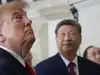
What the midterms elections mean for US-China ties
A recent victory for Democrats in the US midterm elections may reshape relationships with China in several ways. Control of Congress allows them to limit President Donald Trump's tariffs on Chinese products, which may influence ongoing trade negotiations. Taiwan could become a critical issue, especially if Democrats push for arms sales to support the island. Beijing might perceive Trump’s weakened political status as an opportunity to apply pressure on him.

US Democratic win unlikely to ease firms' cost, tariff woes in near term, executives say
Global businesses expect limited immediate changes following Democrats' takeover of the US Congress, as high energy and raw material costs, inflation and strained consumer spending continue to weigh on operations. While some executives welcomed prospects of political stability, companies remain uncertain about tariffs, AI regulation and trade policies, amid fears of Washington gridlock.

Trump's loss in US midterms hands Indian gold buyers new setup before Dhanteras
Gold prices surged over 2% on Wednesday, with a weaker US dollar and lower Treasury yields supporting the rally after Democrats made gains in the US midterm elections. In India, 24-karat gold rose 2.26% to ₹14,280 per gram.
Trump's midterm setback may put India under pressure for quick trade deal on US terms: GTRI
Amid electoral challenges, US President Donald Trump is likely to ramp up pressure on India to seal a trade deal. This potential agreement would require India to decrease import tariffs on US goods while the US keeps its tariffs intact. Analysts caution that such an arrangement may breach WTO MFN principles, undermining India's trade credibility. Additionally, compromising energy security and development aspirations could have serious implications.

China stocks struggle near one-year lows despite fresh government support measures
Chinese stocks struggled near one-year lows despite fresh government measures to support the market, as investors remained cautious ahead of the US midterm elections. Concerns over China's economic outlook and technology stocks continued to weigh on sentiment.

ETMarkets Smart Talk| Gold, silver or copper? Tata MF fund manager suggests a 50:30:20 commodity allocation: Tapan Patel
In this edition of ETMarkets Smart Talk, we speak with Tapan Patel, Fund Manager – Commodities at Tata Asset Management, who shares his outlook on gold, silver, copper and crude oil, explains the changing dynamics driving commodity prices, and suggests a 50:30:20 allocation to gold, copper and silver, respectively, for investors looking to build a commodity portfolio for the long term.

Rising crude prices could push India's inflation by upto 1 percentage point, diversified imports helping secure oil supplies: EY's Gaurav Moda
Gaurav Moda, Partner and Energy Industry Leader at EY India said the increase in crude oil prices from an average of $60-65 per barrel to $90-95 has significantly raised India's energy import costs, even as the country continues to prioritise securing supplies amid geopolitical uncertainties.

Is the AI boom losing steam? Global economy faces growing risks
Global financial markets face mounting pressure from geopolitical conflicts, rising government debt and trade tensions, raising concerns about the resilience of the global economy. While the AI investment boom has driven stock markets to record highs and supported growth expectations, rising borrowing costs, inflation, weakening currencies and the prolonged Iran war threaten to undermine investor confidence and expose deeper vulnerabilities.

All hands on the deck: Next few months, govt faces a test of political will to take hard economic calls
India is likely to face a host of economic and political pressures due to upcoming elections and external geopolitical factors. Balancing relationships with Iran, the UAE, Saudi Arabia and Israel will be crucial for India's energy security. Political and economic manoeuvres may become necessary to address rising crude oil prices and currency pressures.

El Nino could add to US inflation pressures in 2027, San Francisco Fed paper warns
A San Francisco Fed study warns the current strong El Niño could drive US inflation up by 1 percentage point in 2027, despite temporarily boosting jobs. With inflation already above the 2% target, the climate shock adds further pressure on the Fed to raise interest rates.
Load More

