UK INVASIVE SPECIES
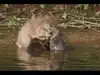
Could beavers help slow flash floods? A reintroduction project in England shows how their dams can hold back water
Eurasian beavers returned to the UK after centuries. Then came a five-year trial that reshaped their future, along with the English landscape. Dive into the story to find out more.
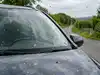
In 2021, 654 volunteers began counting insect splats on cars across the UK; by 2024, the survey recorded a 62.5% drop
A concerning recent study has highlighted a staggering 62.5% decline in insect populations in the UK, drawing parallels with similar patterns in the US. Various environmental factors are implicated in this troubling trend, which jeopardizes crucial ecosystem roles like pollination and pest regulation. Meanwhile, freshwater insects have shown an encouraging increase, hinting at the benefits of clean-water policies.
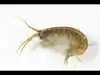
How did demon shrimp from the Caspian Sea reach England waterway? Conservationists raise 'threat to local species' alarm
Non-native, invasive species poses threat to native wildlife in River Kennet tributary, England.
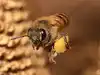
For the first time, Europe’s wild honeybees are listed as endangered; researchers warn some populations could fall by a median 56% within 10 years without new swarms from managed hives
Wild European honeybee colonies, once thought to be extinct, are now classified as endangered. These bees, living freely without managed hives, face an alarming decline due to habitat destruction and parasites. A recent study predicts their population could plummet by 56 percent in just ten years. Urgent conservation measures are necessary to protect these vital pollinators from disappearing altogether.
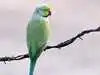
In the 1960s, rose-ringed parakeets were first spotted in southeast England; today, they thrive in London's parks and gardens
In London, rose-ringed parakeets can frequently be spotted flitting through parks and gardens. Studies clarify the narrative of their arrival—indicating numerous instances of release from captivity. Thriving in the urban landscape’s favorable conditions, these versatile birds inspire conversations about migration and identity in diverse communities. Ecologists remain engaged in exploring the intricate ecological effects of these non-native species.

Britain dropped more than 300 tons of poison across South Georgia to kill every rat; by 2018, over 100,000 hectares were rodent-free
South Georgia island successfully removed its rat population after a massive eradication effort. Helicopters dropped poisoned bait across the rugged terrain over several years. Intensive monitoring confirmed the absence of rodents, marking a significant conservation achievement. Bird populations, including the South Georgia pipit, have since begun to recover. This project demonstrates that damaged ecosystems can heal with dedicated effort and funding.
- Go To Page 1

Britain in the 1920s planted millions of Sitka spruce trees for timber, but scientists now say the country's forests support far fewer birds, plants, and insects than native woodlands
Britain's vast Sitka spruce plantations, while economically vital, host a surprisingly limited number of species compared to native trees. A new study reveals that introducing diverse tree species, particularly in "blocky mixes," can significantly boost biodiversity and soil health without sacrificing timber production. This approach offers a balanced solution for adapting forestry to climate change and new pests, emphasizing that varied forests are healthier ecosystems.

Star Trek: Starfleet Academy Episode 6 release time, schedule, what to expect and how to watch: Global streaming timings worldwide, story, setting and cast
Star Trek: Starfleet Academy Episode 6 release time, schedule, what to expect and how to watch is now confirmed. Episode 6 titled “Come, Let’s Away” streams on Paramount+ on February 12, 2026. The cadets face the Furies on an abandoned ship while Nahla seeks help from Nus Braka.

New study warns of rising invasive alien species threat, urges immediate action
A recent study published in the journal Nature Ecology and Evolution has highlighted the urgent need to address the growing threat posed by invasive alien species (IAS) to global biodiversity. Led by researchers representing 101 organizations from 47 countries, the study emphasizes the increasing number of IAS introductions worldwide and their negative impacts on ecosystems.
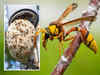
Asian Hornet poses growing threat to UK's bee populations: Experts warn of consequences
There have been concerns about the sightings of the Asian Hornets in the UK. This invasive species poses a significant menace to native bee populations, sounding an alarming alarm for biodiversity.
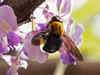
This pesky 'weed' is the lifeline for bees, don't get rid of it
Often considered as 'weed', dandelions are an important source of nectar and pollen for bees.

Fierce fighting in east Ukraine as Zelensky says world must not look away
Kyiv said Friday it had launched new air strikes in the captured southern region of Kherson, one of the first areas to be taken by Russia after the February 24 invasion.
Seafood biz braces for losses of jobs, fish due to sanctions
The latest round of U.S. attempts to punish Russia for the invasion of Ukraine includes bans on imports of seafood, alcohol and diamonds. The U.S. is also stripping "most favored nation status" from Russia. Nations around the world are taking similar steps.

UK's carefully nurtured plants under attack
Who’s embarked on this and where?The battlefields are the gardens in the UK, and it is the hobby gardeners who are up in arms. This summer, more snails and slugs have increased their foray into gardens and have created a kerfuffle.Oh.

Did you know the UK wants to lure grey squirrels into feeding boxes with hazelnut spread spiked with oral contraceptives
Prince Charles played a key role in setting up the UK Squirrel Accord (UKSA) which aims to “manage the negative impacts of invasive grey squirrels in the UK”.
1/8th of flora & fauna face extinction due to degradation of biodiversity
Nature is declining globally at rates unprecedented in human history and its impact will see extinction of one million of the eight million estimated number of animal and plant species, many of them within decades, unless their habitats are restored, said the UN-backed inter-governmental body in a report released in Paris on Monday.
Eliminating a species of mosquitoes that cause dengue is possible, but regulations come its way
Despite a decade, GBIT took long to get an approval for field trial in India given the government’s overtly cautious approach with GM technology.

Proof of bugs in the White House
As the US president has decided not to have pets in the White House, introducing a few working cats could be considered, given precedents in the corridors of power in the UK.
Load More