
TUR PRICES
High pulse rate: Nearly 10 lakh tonnes of tur in buffer stocks, yet prices keep rising. Why?
Despite holding nearly 10 lakh tonnes of tur in buffer stocks and allowing duty-free imports, prices continue to remain high, with concerns over a smaller kharif crop adding to market uncertainty.

Tamil Nadu govt imposes stock limits on paddy, rice and pulses amid price rise
The Tamil Nadu government has set stock limits on essential commodities like rice and pulses to combat price inflation. Wholesalers can stock a maximum of 2,000 metric tonnes of rice, while retailers are restricted to eight tonnes. Miller stock is limited to one month's production capacity, ensuring regular supply. Importers are prohibited from holding stock longer than 45 days post customs clearance, promoting quick turnover.
Stock disclosure made mandatory for pulses millers amid price hikes
In response to rising retail inflation, the Ministry of Consumer Affairs has taken steps to address price hikes. Meetings were held with various stakeholders in the pulses industry to enforce stricter stock monitoring. The government expects good production of pulses, which should help stabilize prices. Authorities were instructed to conduct stock verifications to prevent hoarding and speculation.
Government makes stock declaration mandatory for pulses; tightens sugar monitoring
The Ministry of Consumer Affairs held meetings with stakeholders to prevent price hikes in the pulses industry. They requested millers to provide weekly stock declarations to monitor supply effectively. The government expects good pulses production which should help stabilize prices after the festival season. Additionally, stricter guidelines for sugar sales and stockholding were introduced to ensure compliance. These actions aim to prevent speculative price increases and maintain market stability.
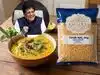
Telangana's Tur Dal reaches Australia: Piyush Goyal says India's GI products are winning the world as first-ever 2.5 MT Tandur pigeon pea exported
Telangana’s GI-tagged Tandur Tur Dal has reached Australia through its first-ever export shipment of 2.5 metric tonnes, announced by Union Commerce Minister Piyush Goyal. He said rising global demand for authentic Indian agricultural products is creating financial opportunities for farmers and exporters.
Chana sowing holds key to pulses inflation
Chana, India's most consumed pulse, which is central to making everything from salty snacks to nutritious meals, needs adequate soil moisture and cool weather for a good crop. Sowing has started in some regions, but the progress is slow. State advisories to conserve water and shift to less water-intensive crops have added to concerns over winter sowing.
- Go To Page 1

Food industry warns of supply shock over Super El Nino
India's food industry is alerting to a potential supply shock projected for the year 2027. Experts indicate that a Super El Nino may disrupt crop production and elevate food inflation. Growing concerns arise over the impact on sugar and oilseed production, particularly in states with severe drought conditions. The livestock sector is also preparing for increased feed costs due to these challenges.

Pulses prices surge: Will cheaper imports bring relief to consumers? Stakeholders divided
India currently imposes a 10% import duty on red lentils and chickpeas, while yellow peas attract a 30% duty.
Double trouble at the dinner table: When will food prices normalise for Indians?
India’s food inflation: Food prices are rising unevenly, impacting household budgets, while inflation is projected to persist in upcoming months. Economists expect food inflation to reach up to 7% in the near future due to various factors. Weather risks, particularly from El Niño, could significantly affect crop yields and consequently food prices. Additionally, global events in West Asia contribute to higher energy and logistic costs.
Pulses import duties may ease over poor rains
At present, imports of chana attract a 10% duty, while yellow peas are subject to a 30% duty. Tur and urad imports are allowed duty-free until March 31, 2027. The proposed reduction in duties on chana and yellow peas would be to improve domestic availability and contain prices. Prices of chana, moong, matar and tur have risen by up to 10% over the past month, with a 3-5% spike in the past week, as concerns over crop prospects combine with higher festive demand.

Foodgrain target for 2026-27 cut to 374 MT amid El Nino concerns
The Centre has also assured states of adequate availability of fertilisers, certified seeds and financial resources for the 2026-27 rabi season.

El Nino fears: Govt cuts foodgrain target by 2.63 MT
India has announced a reduced foodgrain production target of 373.93 million tonnes for the 2026-27 crop year. The decision comes amidst concerns over El Niño weather patterns impacting agricultural conditions across the country. Sowing operations for kharif crops have been completed, while rabi crop planting will start in October.
Pulses prices surge up to 11% in a month as festive demand, crop concerns bite
Prices of key pulses including chana, moong, tur and matar have risen sharply over the past month, with wholesale rates increasing up to 11%, according to IPGA data. Industry executives attributed the surge to growing concerns over crop deficits, moisture stress, lower Australian supplies and stronger festive demand.

RBI bulletin: India's financial, external sectors continue to draw strength from resilient domestic economy
India's economy is showing resilience despite global uncertainties and high geopolitical tensions affecting financial markets, RBI's bulletin said. Crude oil prices have sharply increased due to escalating conflicts in West Asia, prompting concerns over inflation. The Reserve Bank indicates a strong GDP growth in the first quarter of 2026-27, with moderate current account deficits. Credit and deposit growth are also accelerating, while FDI inflows have reached a five-year high.

India’s street food paradox: Cleaner cities, but where do vendors go?
Street-food vendors in India are facing tighter enforcement as cities reclaim pavements and push for cleaner public spaces. But without designated vending areas, basic infrastructure and consistent regulation, thousands of small businesses risk being pushed further into informality. From Mumbai to Singapore, the challenge is balancing hygiene, accessibility, livelihoods and urban planning.
Pulses, oilseed prices rise as rain deficit hits crops
Key pulse and oilseed prices have risen sharply compared to last year. Scanty rains are affecting the current kharif crop and raising rabi season output concerns. Tur and chana prices have increased significantly, while soyabean and groundnut have seen larger jumps. Forecasts of El Nino are also impacting chana prices for the upcoming rabi season. Despite output worries, industry veterans state the supply situation remains stable.

Pulses prices jump up to 20%; tur, urad return to MSP levels
Pulse prices are climbing after a year of falling. Tur, chana, and urad have seen significant increases. Tur and urad have reached minimum support price levels. Lower crop output in India and other countries, along with currency issues, are pushing prices up. Farmers may see improved sentiment ahead of the next planting season. New chana arrivals could impact prices later.
Tur dal prices rise more than 10% despite open import policy
In Pune, tur dal prices rose by over 10% in less than a month despite an open import policy. The industry cites raw material shortages and hoarding as reasons for the hike.
Not many takers for govt drive to procure tur dal at market rates
The government's tur dal procurement drive has received a lukewarm response from farmers due to lower prices, stringent quality norms, and formalities. Small farmers sell to private traders while bigger farmers hold the crop, expecting prices to rise further. The government's presence in the market has increased tur dal prices by 15% in the last two months.
Wholesale Tur prices rise 5% in a month
Wholesale prices of tur dal have increased 5% despite new crops and imports from Myanmar as reduced acreage impacts supply. Retail prices declined due to price control measures, but this led to a fall in unprocessed tur beans prices. Farmers refrained from selling, reducing tur availability. Prices are now recovering. Tur prices have surged due to rising purchases by dal millers.
India to import tur, urad from Myanmar in January-February
In January this year, the government imposed a stock limit on tur and urad to prevent hoarding and unscrupulous speculation, and help improve affordability for consumers. While the restriction was to end on October 30, the government extended it till December-end.
Indian importers allege tur dal cargo held ransom at Mozambique ports
Tur prices have stabilised following the recent government measure of tightening the stock limit on traders and processors. "However, the prices of African tur, which have declined by 5%, could have reduced by another 10% if the imports had been smooth," said a pulse importer from Maharashtra.
Dal main kaala? Why Tur dal prices are shooting up
The central government has imposed stock limits on tur and urad till October 31 due to a spurt in prices of these pulses. Apart from production shortage, hoarding and alleged cartelisation in imports also contribute to price rise.
Tur dal prices may stay firm after slight fall: Industry expects
The government's imposition of a stock limit on tur dal traders and processors has slightly reduced prices. However, the industry fears the shortage of supply will maintain high tur prices for the next three to four months. The stock limit was expected by stockists and traders, but given the shortage, it is unlikely to significantly reduce tur prices, according to Suresh Agarwal, president of the All India Dal Millers' Association.
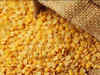
Ex-mill tur dal prices touch Rs 100 per kg in Karnataka, Maharashtra
Maharashtra-based pulsez processor Nitin Kalantry said, "Tur prices rose to Rs 90/kg during lockdown, which later corrected to Rs 82/kg. However, now they have started spiralling upward again. Pulses prices are likely to shoot up after October 5, when an uptake in demand for pulses is expected due to festival season demand."
Karnataka tur farmers get highest price
Karnataka has seen a bumper tur crop, like the rest of the country, and has procured a record 3,44,157 tonnes this year from the farmers.

Raising import duty to 25% won't revive tur prices
India's tur production has jumped 65% from 25.6 lakh tonne in 2015-16 to 42.3 lakh tonne in 2016-17.

Tur prices slightly down in 4 cities; rates still high
Tur prices have fallen slightly in Chennai, Mumbai, Delhi and Ahmedabad by up to Rs 12 per kg, the government today said.

Retail tur prices hit Rs 200/kg, add to consumers' pain
Retail tur dal prices today shot up to Rs 200 per kg despite the government's steps to boost supply and check prices, aggravating consumers' woes.
Load More

