
SPECIES

GTA 6 gameplay: 7 insanely realistic details that makes its open world feel lifelike. From smarter NPCs to 62 bird species
GTA 6's open world is turning out to be far more detailed than players might have expected. NPCs remember past encounters, police can use a player's appearance and getaway vehicle to track them, cars come with practical mechanics such as fuel, and Leonida is home to 62 bird species. These seven surprisingly realistic details show how Rockstar has made even the smallest interactions an important part of exploring the game.
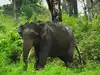
Karnataka Forest Minister orders action after viral video shows youths harassing wild elephant in Nagarahole
Karnataka Forest Minister R Ramalinga Reddy has directed officials to identify and take legal action against two youths caught on video pelting stones at a wild elephant inside Nagarahole Tiger Reserve. He has asked the Principal Chief Conservator of Forests to trace the motorcycle used by the accused and invoke provisions of the Wildlife (Protection) Act.
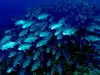
Cornell scientists studied how 2,839 fish species swim together; their analysis found group swimming evolved around 60 times but disappeared about 320 times
A comprehensive study on fish collective movement has found that this behavior has independently evolved across numerous species over time. Surprisingly, about 79 percent of fish utilize collective movement, while others favor solitary habits. However, certain species have abandoned collective traits, likely due to the challenges of heightened food competition and disease risks. This research highlights the intricate evolution of social behavior within marine ecosystems.

Illinois removed a dam from Blackberry Creek in 2013; fish began spawning within two weeks, and the former impoundment’s recorded species count rose from 8 to 25
In 2013, the dismantling of the Blackberry Creek dam sparked a significant ecological shift, enabling fish to migrate freely for the first time in 180 years. Following this, the diversity of fish species surged from 8 to an impressive 25. While some species returned quickly, others were still missing post-survey.
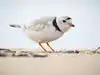
Michigan spent years removing invasive plants from Wilderness State Park beaches starting in 2012; by 2016, endangered piping plovers were nesting there again
At Waugoshance Point, a conservation project was launched to restore the nesting habitats for piping plovers by eliminating invasive plant species. Since its inception in 2012, teams have consistently monitored beach vegetation and nesting conditions. In a remarkable achievement by 2016, a pair of endangered piping plovers successfully nested here.

A hidden chemical in your car tires is killing the fish. Are you willing to pay extra for ‘salmon-safe’ tires?
A recent study explores consumer willingness to pay more for tires that are safer for salmon. Researchers found that 50% of participants would pay an average of 10% more for these eco-friendly tires. Potential environmentally friendly tire formulations are under investigation to replace the harmful chemical 6PPD. The findings suggest a growing market for eco-labeled products among consumers in certain states.
- Go To Page 1
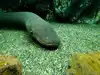
Over 100 electric eels gathered in an Amazon lake. Scientists soon witnessed an extraordinary group hunting strategy
More than 100 Volta's electric eels were observed gathering in a small lake in Brazil's Amazon basin and hunting together. Researchers documented how the fish herded thousands of smaller fish into tightly packed groups before smaller teams delivered synchronised electric attacks, challenging the belief that electric eels hunt alone.
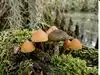
‘Dark magic mushroom’ found that produces hallucinogenic compound and one of the most deadly toxins
Scientists have discovered a rare mushroom that produces both psilocybin, a hallucinogenic compound, and amatoxins, deadly poisonous substances. Named Galerina indicaor the 'dark magic mushroom', it is the first known mushroom species found to produce both chemical groups. A study published inCurrent Biologyexplains how the fungus may have acquired its unusual properties through horizontal gene transfer.
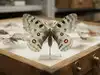
Scientists found a new butterfly hiding in Alaska museum collection; it may have an unusual Ice Age origin
A butterfly classified as a familiar species for decades caught the attention of a researcher examining museum collections. Its unusual appearance and DNA characteristics led scientists to describe it as a potentially distinct species in Alaska. Researchers also proposed that it may have originated through ancient hybridisation during the Ice Age.
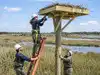
New Jersey had only about 50 osprey pairs in the 1970s; biologists built nest platforms and moved eggs, and by 2023 the state counted 800 occupied osprey nests
Osprey populations in New Jersey rose from about 50 nests in the 1970s to an all-time high of 800 nests. The drastic increase is attributed to conservation efforts and the ban of the pesticide DDT. Biologists have implemented successful interventions, including providing artificial nesting platforms for these birds. While the population is now considered stable, continued monitoring is essential to ensure their wellbeing.
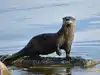
Indiana's river otters had nearly vanished; starting in 1995, wildlife officials released 303 into rivers, and decades later, the species was reported across the state
After more than five decades, river otters have made a triumphant comeback in Indianapolis, thanks to the Indiana Department of Natural Resources, which reintroduced 303 otters from Louisiana. This lively resurgence has seen otters thriving across all counties in Indiana, showcasing effective wildlife management. However, with stability comes regulation, as some areas now permit trapping, prompting discussions on the delicate balance between conservation and resource management.
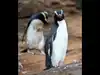
‘Schrödinger’s penguin’: Why one of New Zealand’s least-studied penguin species is disappearing from one island but stable on another just 130 miles away
A new study examining erect-crested penguins in New Zealand highlights stark differences in population trends on Bounty and Antipodes Islands. Bounty Islands have maintained stable numbers, whereas Antipodes Islands face a dramatic decline exceeding 40 percent. Contributing factors include predation and extreme weather conditions. These findings underscore the pressing need to re-evaluate the penguins' conservation status and implement effective protection measures for their dwindling populations.
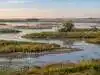
Illinois drained two lakes for farmland for about 70 years; after conservationists bought Emiquon in 2000 and began restoring the wetlands, spring waterbird counts exceeded 119,000
Since its transformation from farmland into a flourishing wetland began in 2000, Emiquon Preserve has seen extraordinary returns in wildlife, famously attracting over 119,000 waterbirds during the spring counts. Although the project has greatly enhanced wetland habitats and ecological recovery, vigilant management is required to combat threats from invasive species and to maintain aging infrastructures, underlining the importance of ongoing human efforts in environmental sustainability.
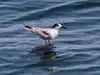
Maryland gave disappearing seabirds a floating wooden island in 2020; six years later, common terns built 376 nests on it and 84 more on nearby restored land
In Maryland, conservationists created a floating island to provide nesting sites for common terns. This solution came as natural nesting areas were disappearing due to climate change effects. In the first breeding season, the platform hosted 23 nests, indicating immediate acceptance by the birds. As populations grew, common terns also began to establish nests on nearby restored habitats.

Illinois removed dams from Brewster Creek in 2006; by 2014, surveys had found 14 fish species not previously recorded in the restored stretch, including catfish
Since the dismantling of several dams in 2006, Brewster Creek has experienced remarkable ecological transformation. The removal of barriers allowed fish species like smallmouth bass and quillback to flourish in the area, leading to a notable increase in overall fish diversity, with 14 new species discovered. Moreover, the ongoing research highlighted natural channel evolution and sedimentary stability, making Brewster Creek a pivotal reference for future ecological restoration initiatives.
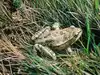
Yosemite had lost its red-legged frogs; in 2016, teams began restoring the population, and 10 years later, the program reached 10,000 releases as recovery continues
The successful reintroduction of California red-legged frogs to Yosemite marks a significant achievement in conservation efforts that began in 2016. With the first breeding in 2019 and the special release of the 10,000th frog, affectionately named 'Twain', these frogs now thrive in the valley, representing generations of recovery. Future plans include raising and releasing additional juveniles to ensure continued population growth within this iconic national park.
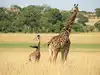
Since 2017, over 20,000 volunteers have classified hidden-camera photos from Kenya; more than 4,000 showed giraffes, including 175 calves
In a remarkable showcase of citizen science, over 20,000 volunteers rallied together to classify images captured by motion-activated cameras across Kenya. Their collective efforts identified more than 4,000 giraffe photos along with various other species. This vital data aids researchers in analyzing the interactions between wildlife and livestock, highlighting the crucial role of public involvement in wildlife conservation initiatives.
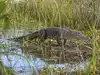
More than 5,500 volunteers classified Florida wildlife photos; over 1 million classifications recorded 43 species across 14 management areas
In the Everglades, thousands of enthusiastic volunteers have played a pivotal role in wildlife identification through camera trap images. So far, the initiative has meticulously cataloged over 100,000 photos, revealing 43 distinct species across various Wildlife Management Areas. This valuable data aids biologists in understanding animal populations and monitoring diseases in indigenous species.
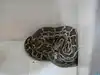
Python at Taj Mahal: 7-foot-long snake found at India's most visited tourist place in a washroom
A snake rescue operation was launched at the Taj Mahal after a CISF personnel spotted a large reptile in a staff washroom. The incident also highlighted the role of Indian rock pythons in maintaining ecological balance and the importance of seeking help from trained wildlife rescuers rather than approaching snakes.
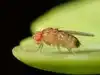
Scientists compared flies from cool California forests with those from hot Southwestern deserts; a 2025 study found their brains responded differently to heat
Two fly species, Drosophila persimilis and Drosophila mojavensis, showcase fascinating adaptations to their environments, revealing their opposing responses to heat. While forest-dwelling flies evade warmth, their desert counterparts thrive in it. These contrasting behaviors highlight significant neural changes that not only reflect physical adaptations but also altered sensory processing. This research is pivotal in predicting how species may cope with the challenges of climate change.
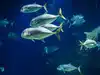
In 2024, 1,865 volunteers reviewed underwater videos; cameras recorded 4 fish species missed by traditional traps
The Where's Walleye? project showcases how researchers leveraged traditional fish traps and high-tech underwater cameras to refine fish survey methods. With assistance from 1,865 citizen scientists, the project analyzed video footage to identify diverse fish species. Remarkably, the underwater cameras uncovered four species previously missed by conventional techniques, enhancing our comprehension of aquatic ecosystems and aiding in rare species monitoring.

Connecticut restored 34 acres of damaged salt marsh in 2022; two years later, native grasses were thriving, and shorebirds were nesting on newly built mounds
A major salt marsh restoration project at Great Meadows Marsh in Connecticut is showing promising results for coastal wildlife and biodiversity. After a $4.65 million rehabilitation effort, the 34-acre wetland has seen the return of endangered saltmarsh sparrows and the growth of native marsh plants. The project highlights how wetland restoration, coastal conservation and habitat recovery can protect biodiversity, reduce flood risks and create healthier ecosystems amid rising sea levels.

MIT scientists built over 400 tiny ecosystems with 12 to 20 bacterial species; after adding an outsider, the more changeable communities were easier to invade
Researchers at MIT have discovered that chaotic ecosystems easily accept new species while stable ones resist invasion. Conventional ecological beliefs suggest high biodiversity prevents invasions, but stability plays a crucial role. This finding has implications for the effectiveness of probiotic supplements in human gut microbiomes. Individuals with more stable guts may struggle to welcome beneficial probiotics. Future studies will further explore these dynamics and their relevance in wellness treatments.

For 8 years, scientists studied 8 wild bumblebee species in Colorado; tongue length shaped pollen preferences, while bees shifted their diets with the seasons
A recent study from Northwestern University and the Chicago Botanic Garden reveals bumblebees' dietary preferences. Wild bumblebees monitor their intake of proteins, fats, and carbohydrates throughout the seasons. The research indicates that bees change their dietary preferences as seasons progress, ensuring they get adequate nutrition. Planting a variety of flowers in gardens may help support these vital pollinators.

China's giant pandas make public debut at US zoo
Giant pandas Ping Ping and Fu Shuang have made their public debut at Zoo Atlanta after their arrival. The pandas were flown from Chengdu to Atlanta in September as part of a ten-year loan. Zoo Atlanta has renovated facilities to host the pandas, providing locally grown bamboo for their diet. The black-and-white mammals are considered vulnerable, with their population threatened by habitat loss and poaching.

In Yosemite, scientists monitored 4 ponds for 7 years as invasive bullfrogs were removed; juvenile native turtles reappeared at affected ponds by 2019
Scientists observed a decline in juvenile turtles in Yosemite due to invasive bullfrogs preying on them. After nearly eradicating the bullfrog population, baby turtles began reappearing in the affected ponds. The study involved monitoring turtle populations over seven years to measure recovery and changes. Northwestern pond turtles are critical to California's freshwater ecosystems, and conserving them is crucial. The findings highlight how controlling invasive species can benefit native wildlife populations.

In 1830, chinaberry was introduced to the US as an ornamental tree; it later spread into forests across the South
Chinaberry trees, initially brought to the Southern U.S. in the 1830s for their beauty, have proliferated extensively. These invasive species create dense thickets that block sunlight, hindering the growth of native plants in ecosystems across Georgia and South Carolina. This situation underscores the urgency of managing ornamental plants wisely, emphasizing the need for vigilant monitoring and prompt removal to protect the health of our forests.
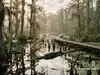
A two-feet “leopard eel” was hiding in US swamps; Scientists took years to identify it
An eel-like animal with spotted markings and frilly gills had been turning up in Florida and Alabama waters for years. In 2018, scientists described it as the reticulated siren, a salamander and a species new to science. Its identification relied on a 1970 museum specimen, years of fieldwork and DNA analysis.

Hawaii introduced black wattle as a forestry tree; it escaped cultivation and now chokes about 3,000 acres of Maui pasture, gulches, and empty lots
Black wattle has become a formidable invasive force in Hawaii, spreading rapidly beyond its initial planting zones into the island's treasured native ecosystems. This explosive growth is transforming open pastures into impenetrable thickets, effectively pushing out native plant species. With seeds that can lie dormant for extended periods, the challenge of management and restoration is heightened.
Load More

