
RIVER POLLUTION

Garbage-free cities need citizens to act, not just complain
India's fight against urban garbage requires more than efficient municipal services. Citizen participation, responsible waste disposal and a change in public attitudes are essential to building and sustaining cleaner cities.

Viral video shows heated argument between two men over dumping plastic materials at Yamuna, sparks debate on Swachh Bharat Mission and public cleanliness
A viral video depicts a heated argument over waste disposal at Yamuna. One individual questioned another about placing materials and mentioned concerns about plastic use. The discussion became personal and argumentative, highlighting public responsibility in waste management. A user on X praised the Swachh Bharat Mission while urging greater awareness of cleanliness. Authorities were tagged in the post, suggesting potential action based on the vehicle's registration.
'You can even drink it': Delhi Environment Minister Sirsa claims 60% of Yamuna cleaned, says entire river will be clean by 2030
Delhi's Environment Minister, Manjinder Singh Sirsa, announced that 60 percent of river Yamuna has been cleaned. He emphasized the importance of treating sewage to maintain water quality and confirmed plans for complete cleaning by 2030. The Supreme Court expressed concern over increasing pollution levels despite extensive spending on cleanup efforts. Sirsa highlighted the need for public participation in tackling air pollution issues affecting the city.
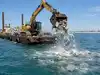
In 2025, North Carolina added 2,100 tons of crushed concrete near Carolina Beach State Park to expand an oyster and fishing reef to 5 acres
In North Carolina, workers are actively enhancing oyster habitats in the Cape Fear River by using crushed concrete. This initiative seeks to expand an existing one-acre oyster reef into a more extensive artificial reef. Unfortunately, the local oyster populations have plummeted in recent years. Researchers emphasize that while this project contributes to environmental recovery, it is merely a small component of a larger challenge.

To clean Yamuna, give it legal rights
Delhi's tourism witnessed a new initiative with the introduction of Yamuna River Cruise service, but pollution remains a concern. Chhath puja participants left waste along the riverbank, intensifying existing issues. Designating Yamuna as a legal person could provide a new framework to combat pollution effectively. Recent successful legal precedents in India and abroad highlight the potential for significant change.

Delhi minister says no froth in 52-km Yamuna stretch, blames AAP for politicising Chhath
Delhi Water Minister Parvesh Sahib Singh has stated that there was no froth along the Yamuna in the city. Singh is in discussions with Uttar Pradesh to resolve froth issues near the Okhla Barrage. He responded to allegations from the Aam Aadmi Party regarding Chhath Puja celebrations in frothy areas. Singh emphasized the successful preparations for Chhath and the appreciation from devotees.

COP31 summit: Nepal highlights need for climate justice, pushes for billions to help disaster survivors
In Nuwakot, Nepal, villagers are struggling to recover from floods that destroyed homes and livelihoods. Survivors rely on aid for basic necessities like water and food as they await help. Globally, climate leaders at COP31 stress the urgency of addressing climate change and its impacts on vulnerable nations. The established loss and damage fund falls significantly short of the required financial support for affected countries.

Yamuna pollution: SC orders live tracking of sewage plants
The Supreme Court has mandated new monitoring measures to improve the Yamuna's water quality. States and Union Territories will face penalties if pollution levels worsen. Sewage Treatment and Common Effluent Treatment Plants must install smart energy meters and sensors. Continuous monitoring data will be uploaded to the Central Pollution Control Board's website. Unannounced inspections will be conducted quarterly to ensure compliance with the new regulations.

Indiana's river otters had nearly vanished; starting in 1995, wildlife officials released 303 into rivers, and decades later, the species was reported across the state
After more than five decades, river otters have made a triumphant comeback in Indianapolis, thanks to the Indiana Department of Natural Resources, which reintroduced 303 otters from Louisiana. This lively resurgence has seen otters thriving across all counties in Indiana, showcasing effective wildlife management. However, with stability comes regulation, as some areas now permit trapping, prompting discussions on the delicate balance between conservation and resource management.

Why Indians behave better at sacred places but not other tourist spots
Kamarpukur and Joyrambati stand out for their tranquil ambiance and the politeness exhibited by visitors. Many who visit these sacred places do so as devotees, which motivates them to keep the surroundings tidy. This decorum sharply contrasts with the noisy behavior found in other tourist spots. Similar tendencies are recognized at various holy sites throughout India, creating a soothing environment and enriching spiritual encounters for everyone.

AQI differences with private apps due to different methodology, not data under-reporting: CPCB
The Central Pollution Control Board clarified the differences in Air Quality Index readings from private applications and its platform. It emphasized that the variations stem from differing measurement methodologies rather than under-reporting. The CPCB noted that during extreme episodes, data gaps may appear due to calibration limits of monitoring instruments. Since 2015, improvements in monitoring technology have been ongoing to enhance air quality reporting.
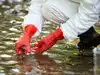
IIT Indore reveals severe pollution in drain leading into Kshipra river ahead of Simhastha 2028 pilgrimage
IIT Indore conducted an investigation revealing significant pollution levels in Nagdhaman Nala, which impacts Kshipra river water quality. The study identified a lack of oxygen and high levels of faecal bacteria in the water. Experts expressed concerns regarding the water's unfit status for recreational use ahead of Simhastha 2028. Madhya Pradesh government has not taken necessary actions to address these pollution levels despite growing environmental concerns.

India's water journey a model for developing nations: World Bank official
India's water management initiatives, including the Jal Jeevan Mission and Namami Gange Programme, are gaining international recognition. Senior officials at the World Bank have praised these efforts as models for developing countries. The upcoming United Nations Water Conference will highlight India's achievements and encourage knowledge sharing. India is actively preparing for the conference, emphasizing its role in global water security discussions.

NCP merger decision rests with Sharad Pawar, Sunetra; neither has told us anything yet: CM Fadnavis
Maharashtra Chief Minister Devendra Fadnavis stated that only Sharad Pawar and Sunetra Pawar could clarify any merger plans. He noted that neither had informed the BJP about a potential merger of the two NCP factions. Fadnavis compared Sunetra Pawar’s leadership to that of her late husband, Ajit Pawar, declaring it unfair. He expressed confidence in river-linking projects helping eliminate drought in Maharashtra over time.

India's water management initiatives a model for developing nations: World Bank official
India's water management efforts, such as the Jal Jeevan Mission, are being recognized internationally for their effectiveness. The World Bank highlights India's initiatives, including river restoration and dam safety improvements. These programs aimed at increasing access to clean water are now models for other developing nations. The upcoming 2026 United Nations Water Conference will provide a platform for India to share these experiences.

Alabama has the largest artificial reef system; ship containing 1,700 slot machines and 100 military tanks provides shelter to marine life and attracts eco-tourism
In July 2026, the Argosy VI, previously a floating casino, was intentionally sunk to create an artificial reef as part of Alabama's commitment to fostering marine ecosystems. The state has been building a robust network of underwater habitats utilising diverse materials, such as decommissioned military tanks and retired ships. Meticulous measures were taken to prioritise environmental safety during the sinking process, supporting marine life and boosting regional tourism.

From being bedridden for months to an over 90,000 kilometres journey across Amazon to Antarctica, one man is rewriting what travel could look like
David Bossek is undertaking a global expedition to explore responsible travel and environmental awareness. He began his journey from Germany in 2024 after recovering from a cycling accident. Following a primarily overland route, he has already traveled through diverse landscapes and cultures. His experiences challenge conventional travel methods while contributing positively to local communities. Bossek plans to return to Germany in 2028, embracing unexpected opportunities along the way.
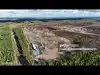
Google faces backlash in Finland after cutting down 400,000 trees for data center projects
Google's decision to clear hundreds of thousands of trees in Finland for data center construction has faced immense criticism due to the lack of required environmental reviews. Local communities are worried about the potential consequences on their environment, while conservationists assert that the company's promises of reforestation will not adequately offset the negative effects. This incident has ignited a wider discussion about the oversight of tech initiatives within Finland.

"Sink the idea": Mumbai sweats over a sea plan that intitially made waves but is now causing ripples of worry
Light pollution is already recognised as a global environmental and public health concern. Research has linked artificial light to sleep disturbances, mood disorders and higher risks of obesity and cardiovascular diseases in humans. It can also alter plant growth and interfere with animals' natural behaviour and ecological relationships.
Load More


