REEF
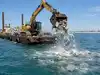
In 2025, North Carolina added 2,100 tons of crushed concrete near Carolina Beach State Park to expand an oyster and fishing reef to 5 acres
In North Carolina, workers are actively enhancing oyster habitats in the Cape Fear River by using crushed concrete. This initiative seeks to expand an existing one-acre oyster reef into a more extensive artificial reef. Unfortunately, the local oyster populations have plummeted in recent years. Researchers emphasize that while this project contributes to environmental recovery, it is merely a small component of a larger challenge.
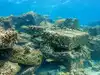
In 2018, Florida reused 6,000 tons of concrete from the old Southern Boulevard Bridge to create a 1.7-acre artificial reef in Lake Worth Lagoon
An old bridge in Florida was demolished, and its concrete was transformed into an artificial reef. The project utilized 6,000 tons of recycled concrete to enhance marine habitat. Workers carefully arranged the debris underwater to form stable structures that attract fish. This initiative aimed to improve local fisheries and support biodiversity in Lake Worth Lagoon. Future constructions related to the bridge will continue to contribute materials for the reef.
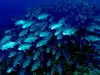
Cornell scientists studied how 2,839 fish species swim together; their analysis found group swimming evolved around 60 times but disappeared about 320 times
A comprehensive study on fish collective movement has found that this behavior has independently evolved across numerous species over time. Surprisingly, about 79 percent of fish utilize collective movement, while others favor solitary habits. However, certain species have abandoned collective traits, likely due to the challenges of heightened food competition and disease risks. This research highlights the intricate evolution of social behavior within marine ecosystems.

Environmental protection, development must advance together: Bhupender Yadav at COP31
At COP31 in Turkiye, India's Union Environment Minister Bhupender Yadav detailed the nation's strategy for climate resilience. He stressed the significance of collaborating with Small Island Developing States on coastal risk management and ecosystem conservation. Yadav outlined four priority focus areas for strengthening partnerships, such as technology exchange and capacity enhancement.
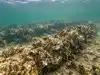
North Carolina created a 75-acre oyster sanctuary near Cedar Island using limestone marl and crushed concrete; the reef is designed to support oyster populations
Cedar Island has implemented an oyster reef restoration project aimed at enhancing environmental conditions in the Pamlico Sound. This restoration involves carefully placing materials to support the growth of oyster populations and improve water quality. Researchers conducted a study to determine the optimal location for the reef based on scientific data. Despite the success of this 75-acre project, oyster reefs have severely declined along the US coast.
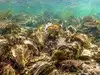
By 2014, South Carolina volunteers had reused 1,100 tons of discarded oyster shells to build 225 living reefs across 69 sites along the state’s coast
In South Carolina, volunteers are collecting discarded oyster shells and returning them to coastal waters for habitat restoration. The SCORE program has seen significant community involvement, with over 25,000 volunteers participating in oyster reef projects. Recycled shells create environments where marine life can thrive and support local ecosystems. The restoration began to reveal positive changes just a few years after implementation.
- Go To Page 1

Rex Ryan arrested: What happened in Nashville as former NFL coach ran over two pedestrians' feet?
Rex Ryan, a former NFL coach and analyst, was arrested in Nashville following an incident with pedestrians. He allegedly struck two people with his pickup truck while they were crossing Broadway. After leaving the scene, Ryan later surrendered to the police on outstanding misdemeanor warrants. He faces multiple charges including leaving the scene of an accident and failure to provide assistance.
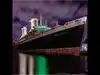
SS United States sinks today: Live stream time, location, 45-minute operation explained as historic ship carrying presidents and Hollywood stars becomes world's largest artificial reef
SS United States sinking today: The historic SS United States is set to sink off Florida's Gulf Coast on November 11, becoming the world's largest artificial reef. The 990-foot ocean liner, which once carried presidents and Hollywood stars, will be lowered beneath the water in a controlled 45-minute operation.

China's passenger car exports surge in October as domestic demand remains weak
China experienced a significant increase in car exports in October, primarily driven by electric vehicle demand. The country exported approximately 927,000 passenger vehicles, reflecting a 62.3 percent growth compared to last year. In contrast, domestic passenger vehicle sales fell to about 1.7 million units following months of decline. Analysts predict exports could exceed 10 million vehicles, while domestic sales may drop to 18.5 million in 2026.

SS United States sinking livestreaming: Why is America's historic ocean liner being sunk off Florida to create world's largest artificial reef?
USS United States sinking: On Veterans Day, the SS United States will be sunk off Florida's coast to create an artificial reef. This historic ship holds the record for the fastest transatlantic crossing by an ocean liner. After spending years in Philadelphia, the vessel will serve as a habitat for marine life. The sinking was moved to Wednesday due to expected bad weather conditions in the area.
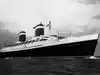
This ocean liner was the world's fastest. It's being sunk to make the largest artificial reef
The SS United States is scheduled to be sunk off the coast of Florida on Wednesday. This project aims to create the largest artificial reef, attracting divers and fishermen. The ship once set speed records and carried many famous passengers during its voyages. Preparations for the sinking involved removing specific features to facilitate its descent.

China and ASEAN make progress on South China Sea pact
The last major sticking points are the geographic scope to be covered by the agreement, the definition of sensitive terms and whether the accord should be legally binding or not, according to the three diplomats. They spoke on condition of anonymity and without elaborating because they were not authorized to discuss the issues in public.
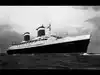
SS United States to be sunk to create an artificial reef: Depth, dive requirements and when visitors can explore the wreck
A 990-foot ocean liner called the SS United States will soon be sunk off Florida's Gulf Coast. This ship, which was once the fastest ocean liner, will serve as an artificial reef for marine life. Divers will need specific certifications depending on the parts of the wreck they wish to explore. The upper deck will be accessible to recreational divers, while deeper sections require technical training.
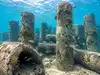
In 2020, Miami sank 73 concrete sections from the SW 1st Street Bridge to create an artificial reef; the pieces now provide habitat 8 feet above the seabed
In an innovative environmental move, Miami-Dade County has submerged sections of a demolished bridge to form artificial reefs. This effort is designed to foster diverse marine life, including fish, sponges, and corals. While studies indicate that concrete is superior for building these reefs, they still fall short of the biodiversity found in natural settings. This undertaking could inspire similar projects in coastal cities nationwide.
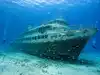
In 2025, the 867-ton Spirit of Norfolk was sunk off Florida’s Okaloosa County coast; the former dinner cruise ship now rests 128 feet underwater
In June 2022, the Spirit of Norfolk, a dinner cruise vessel, suffered a devastating fire and was declared unusable. Following a period of storage, Okaloosa County acquired the ship with a unique plan: to intentionally sink it 128 feet below the surface, creating an artificial reef. This innovative project supports marine ecosystems in line with Florida's commitment to improving underwater habitats through repurposed ships.
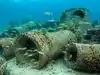
In 2023, North Carolina sank 1,700 tons of concrete pipes and manholes at AR-305; the material added fish habitat off the coast of Beaufort
In July 2023, the North Carolina Division of Marine Fisheries implemented an innovative project by submerging recycled concrete pipes and manholes as artificial reefs about 28 miles off Beaufort. This initiative has successfully lured both fish and divers, showcasing the potential of reclaimed materials to enhance marine habitats. However, while artificial reefs show promise, they are not a complete fix for diminishing fish habitats.
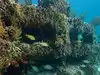
An artificial reef can do more than attract fish: How a 125-acre underwater project could reshape North Carolina's coastal ecosystems
An artificial reef will be constructed in North Carolina's Albemarle Sound, scheduled for development soon. This project aims to create shelter, feeding opportunities, and spawning habitats for local marine life. By utilizing materials from the Alligator River Bridge, the reef will cover an area of 125 acres. Although the initiative will increase habitat availability, its effectiveness in boosting fish populations is uncertain.
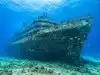
In 2024, the US military sank the 360-foot Monarch Countess weighing 2,743 tons; the retired vessel now rises 100 feet from the seafloor in 180 feet of water
The Monarch Countess, a roll-on/roll-off vessel, now rests serenely on the Gulf of Mexico's seabed. This ship, having been adapted for military tests and enticing tourists, has become a focal point for ecological studies. Research indicates that artificial reefs like the Countess support marine biodiversity. Continued observation will reveal its long-term influence on local fish populations, potentially transforming the area into a prime fishing and diving destination.
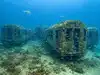
In 1990, New Jersey placed five retired subway cars in a reef about 70 feet underwater; a decade later, they still provided three-dimensional structure
In an innovative move, decommissioned subway cars were submerged off the Jersey Shore, transforming them into artificial reefs. These underwater habitats not only shelter marine life but also enhance biodiversity in the region. Research shows that fish and invertebrates flock to these structures shortly after their installation. However, concerns have emerged regarding potential sinking and contamination, highlighting the complexities of turning waste into environmental assets.
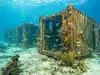
South Carolina used 50 retired shipping containers to create two artificial reefs in 2005; the containers were prepared to provide shelter for marine life
Off the coast of South Carolina, the innovative use of steel shipping containers as artificial reefs is becoming increasingly popular. By repurposing these structures, diverse fish species gain new habitats while supporting eco-friendly waste management. The Army National Guard collaborates with the South Carolina Department of Natural Resources, ensuring that only non-toxic materials are employed in this initiative, which significantly mitigates habitat destruction in marine ecosystems.
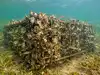
Georgia repurposed retired chicken cages as estuary reefs in the 1990s; years later, the structures remained stable and supported oyster growth
In an innovative move, Georgia has transformed chicken transport cages into artificial reefs to bolster marine life. Initiated in 1990, successful projects in Jove Creek and Van Dyke Creek highlighted the potential of this strategy. However, not every venture, like the Gold-Kist cages, yielded the same success. This initiative showcases how local industrial waste can contribute to environmental restoration, emphasizing the value of recycling in marine conservation efforts.
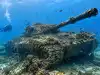
In 1994, Florida deployed seven retired M60 tanks as reefs off Pensacola; a 2000 inspection found them still in their original positions on the seafloor
The state of Florida creatively utilized retired M60 tanks by turning them into artificial reefs for marine habitats. This innovative initiative began in 1994 and involved extensive preparation before deploying the tanks underwater. Marine life benefits from these structures, which provide stability and protection as they develop ecosystems over time. Inspections revealed that the tanks remained in their original locations, enhancing local biodiversity.
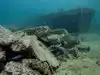
In 2015, Maryland placed 5 barge loads of concrete rubble around a sunken barge off Taylor’s Island; the debris was intended to add height, surface area, and shelter for fish
Off the coast of Taylor's Island, Maryland, a barge has sunk, transforming the seafloor into a barren landscape. In response, Maryland's Artificial Reef Program has strategically placed concrete rubble to stimulate marine life and fish populations. Initial research suggests a notable uptick in local flounder fishing, though continued research will be crucial to assess the long-term benefits and sustainability of this artificial reef initiative.
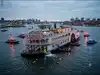
Alabama has the largest artificial reef system; ship containing 1,700 slot machines and 100 military tanks provides shelter to marine life and attracts eco-tourism
In July 2026, the Argosy VI, previously a floating casino, was intentionally sunk to create an artificial reef as part of Alabama's commitment to fostering marine ecosystems. The state has been building a robust network of underwater habitats utilising diverse materials, such as decommissioned military tanks and retired ships. Meticulous measures were taken to prioritise environmental safety during the sinking process, supporting marine life and boosting regional tourism.
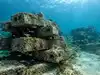
In 2026, Texas deployed 400 tons of concrete railroad ties off Port O’Connor; the material was arranged into two piles at an artificial reef site
In April 2026, Texas took a significant step by deploying 400 tonnes of concrete railroad ties to form two artificial reef piles. This project is designed to transform the flat bottom of the Gulf into a thriving habitat for marine life. Researchers are closely examining how these artificial reefs influence fish communities, with valid concerns about potential fish migration from other regions.
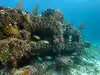
In 2005, Florida sank about 500 tons of concrete railroad ties off St. Lucie County; a year later, divers recorded 17 fish species and heavy marine growth
Florida's groundbreaking initiative saw 500 tons of discarded railroad ties submerged offshore, creating a new artificial reef aimed at fostering marine life. Designed to enhance ecosystems along the coast, the project has revealed significant marine activity just one year post-implementation. Researchers are excited about the thriving biological community developing around these structures, illustrating the potential of repurposing human waste for ecological enhancement.
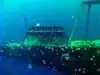
In 2022, Miami sank 345 tons of concrete from a demolished waterfront pier instead of dumping it; the rubble became a reef rising 8 feet from the seafloor
Miami-Dade County has developed an innovative approach by creating artificial reefs using demolished concrete. The materials from Bentley Bay Pier were repurposed and deployed at Julia Tuttle Artificial Reef Site. This project enhances marine habitats and promotes ecological growth beneath the ocean waves. It reflects a shift towards environmentally conscious decision-making in urban infrastructure. Such initiatives demonstrate the potential for old materials to support marine conservation efforts.
Load More