
PULSES BUFFER STOCK

High pulse rate: Nearly 10 lakh tonnes of tur in buffer stocks, yet prices keep rising. Why?
Despite holding nearly 10 lakh tonnes of tur in buffer stocks and allowing duty-free imports, prices continue to remain high, with concerns over a smaller kharif crop adding to market uncertainty.

Stock disclosure made mandatory for pulses millers amid price hikes
In response to rising retail inflation, the Ministry of Consumer Affairs has taken steps to address price hikes. Meetings were held with various stakeholders in the pulses industry to enforce stricter stock monitoring. The government expects good production of pulses, which should help stabilize prices. Authorities were instructed to conduct stock verifications to prevent hoarding and speculation.

Government makes stock declaration mandatory for pulses; tightens sugar monitoring
The Ministry of Consumer Affairs held meetings with stakeholders to prevent price hikes in the pulses industry. They requested millers to provide weekly stock declarations to monitor supply effectively. The government expects good pulses production which should help stabilize prices after the festival season. Additionally, stricter guidelines for sugar sales and stockholding were introduced to ensure compliance. These actions aim to prevent speculative price increases and maintain market stability.

How India's agricultural damage flags gap between climate warnings and adaptation finance ahead of COP31
High temperatures continue to impact Indian agriculture, leading to decreased crop yields and poor germination rates. Farmers report significant losses in banana production and vegetable crops like okra and gourd. Experts warn about the increasing unpredictability of climate events affecting food security and farming practices. There is a call for greater climate adaptation finance and improved forecasting measures to address these challenges.

Wheat sowing faces heat from water shortage this winter
Farmers in India are likely to reduce wheat planting this winter due to water scarcity and low minimum support prices. Regions such as Rajasthan, Gujarat, and Madhya Pradesh may see the most significant impact from these conditions. The state governments are encouraging farmers to consider crops that require less water, which may lead to a shift in crop choices.

India’s monsoon risks may raise food industry costs: D&B
India is experiencing agricultural risks attributed to monsoon conditions, which could impact food processors and poultry producers. Procurement costs and inventory needs are likely to rise significantly due to these agricultural challenges. Rice and wheat stocks provide immediate buffers against potential food-supply issues, but maize faces direct risks from production shortfalls. Affected states include Madhya Pradesh and Rajasthan, which contribute significantly to overall foodgrain output.
- Go To Page 1

Food industry warns of supply shock over Super El Nino
India's food industry is alerting to a potential supply shock projected for the year 2027. Experts indicate that a Super El Nino may disrupt crop production and elevate food inflation. Growing concerns arise over the impact on sugar and oilseed production, particularly in states with severe drought conditions. The livestock sector is also preparing for increased feed costs due to these challenges.

Pulses prices surge: Will cheaper imports bring relief to consumers? Stakeholders divided
India currently imposes a 10% import duty on red lentils and chickpeas, while yellow peas attract a 30% duty.

Double trouble at the dinner table: When will food prices normalise for Indians?
India’s food inflation: Food prices are rising unevenly, impacting household budgets, while inflation is projected to persist in upcoming months. Economists expect food inflation to reach up to 7% in the near future due to various factors. Weather risks, particularly from El Niño, could significantly affect crop yields and consequently food prices. Additionally, global events in West Asia contribute to higher energy and logistic costs.

Smart rice policy would be nice
In the 2026-27 cycle, India's rice production is projected to fall by 6.5% compared to the previous year, largely due to monsoon rainfall being 15% below the seasonal average. This shortfall poses significant challenges for farmers, likely leading to financial hardship as both yields and cultivated areas decline. However, with high existing stockpiles, domestic markets may not face critical shortages.

Government to dispose of 5 lakh tons of pulses buffer stock by March
Last week, the CCEA gave approval for distributing a part of the pulses buffer stock to central schemes like Midday Meal and other state-run agencies besides state governments.
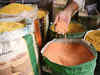
Nafed to sell buffer stock pulses to defence, para-military
Nafed is one of the agencies which undertook procurement of pulses on behalf of the government for creating a buffer stock for use in period of shortages to check price rise.

Government creates 1.1 mn tonnes pulses buffer stock
The Committee said that states should be asked to ensure MSP to farmers in the mandis through appropriate enabling provisions in APMC Act.

Government creates pulses buffer stock of 10 lakh tonnes so far
The buffer stock of pulses would be used to intervene in the market in case of price rise. The government had decided to create buffer stock after the retail prices skyrocketed in the domestic market.

Government to engage pulses management companies for buffer stock
Currently the Food Corporation of India, Nafed and Small Farmers Agriculture Business Consortium were procuring pulses for the buffer stock.

Government nod for professional agency to manage pulses buffer stock
As on February 1, around 9.71 lakh tonnes of pulses have been procured and contracted for imported towards building the buffer. The aim to build a buffer stock of 20 lakh tonnes.

Centre looking at selling pulses via PDS
Already some states like Tamil Nadu and Chhattisgarh are distributing pulses through PDS at a subsidised rate.

Govt contracts 4.06 lakh tonnes of pulses import
After a gap of two years, the government started importing pulses from 2015 to meet the domestic shortfall and price rise. It also decided to create a buffer stock of 20 lakh tonnes through domestic procurement and imports.

Govt to raise buffer stock for pulses to 20L tonnes
The Centre had created buffer stock of pulses to make market intervention and supply pulses at cheaper rates.

Government to import additional 90,000 tonnes pulses
At present, prices of different dals are in a range of Rs 115-175 per kg due to shortfall in domestic output following two consecutive years of drought.

Government to further import 1 lakh tonnes of chana, masoor dals
So far, a buffer stock of 1.95 lakh tonnes of pulses has been created through purchase from domestic and global markets, while the target is 2 million tonnes.

To check rising prices, govt okays import of 30,000 tonnes of pulses
Government have so far procured about 1,19,572 tonnes of pulses from the market and farmers, and 56,000 tonnes of pulses have been contracted for import.

Pulses price close to Rs 200/kg; government to up buffer stock
The buffer stock is being created by procuring pulses directly from farmers at market prices using the Price Stabilisation Fund.

Government increases size of pulses buffer stock to 8 lakh tonnes
Pulses prices in retail markets are ruling over Rs 170 per kg now despite several measures to boost supply in the last couple of months.
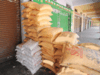
Govt to release 10,000 tonnes of pulses from buffer stock
Although retail prices of pulses have eased from the last year's level of Rs 200 per kg, rates are still ruling high at Rs 83-177 per kg range in most parts of the country.

Government contracts 8,500 tonne pulse imports, shipments on the way
It also said pulse procurement for buffer stock has touched 51,000 tonnes, surpassing the target set for this kharif season.

Creation of buffer stock of pulses hit by operational difficulties
With the production of pulses likely to be lesser than demand in 2016 due to deficient monsoon rains, central government has entered markets to create a buffer stock .

Govt to import 10K tonnes of pulses to check prices
The government today decided to import 10,000 tonnes of pulses for buffer stock and extend zero import duty on chickpeas and masoor till September 2016.

CCEA okays creation of buffer stock of pulses
With pulse prices continuing to rule up to Rs 190 per kg, the government today decided to create a buffer stock of pulses by procuring 1.5 lakh tonnes of lentils that will be used to check spurts in retail rates.
Load More

