
OYSTER
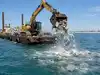
In 2025, North Carolina added 2,100 tons of crushed concrete near Carolina Beach State Park to expand an oyster and fishing reef to 5 acres
In North Carolina, workers are actively enhancing oyster habitats in the Cape Fear River by using crushed concrete. This initiative seeks to expand an existing one-acre oyster reef into a more extensive artificial reef. Unfortunately, the local oyster populations have plummeted in recent years. Researchers emphasize that while this project contributes to environmental recovery, it is merely a small component of a larger challenge.
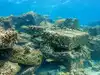
In 2018, Florida reused 6,000 tons of concrete from the old Southern Boulevard Bridge to create a 1.7-acre artificial reef in Lake Worth Lagoon
An old bridge in Florida was demolished, and its concrete was transformed into an artificial reef. The project utilized 6,000 tons of recycled concrete to enhance marine habitat. Workers carefully arranged the debris underwater to form stable structures that attract fish. This initiative aimed to improve local fisheries and support biodiversity in Lake Worth Lagoon. Future constructions related to the bridge will continue to contribute materials for the reef.
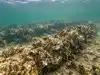
North Carolina created a 75-acre oyster sanctuary near Cedar Island using limestone marl and crushed concrete; the reef is designed to support oyster populations
Cedar Island has implemented an oyster reef restoration project aimed at enhancing environmental conditions in the Pamlico Sound. This restoration involves carefully placing materials to support the growth of oyster populations and improve water quality. Researchers conducted a study to determine the optimal location for the reef based on scientific data. Despite the success of this 75-acre project, oyster reefs have severely declined along the US coast.
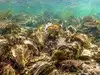
By 2014, South Carolina volunteers had reused 1,100 tons of discarded oyster shells to build 225 living reefs across 69 sites along the state’s coast
In South Carolina, volunteers are collecting discarded oyster shells and returning them to coastal waters for habitat restoration. The SCORE program has seen significant community involvement, with over 25,000 volunteers participating in oyster reef projects. Recycled shells create environments where marine life can thrive and support local ecosystems. The restoration began to reveal positive changes just a few years after implementation.
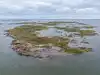
Most of Louisiana's Rabbit Island was flooded in 2020; after crews restored 102 acres of nesting habitat, birds built more than 11,600 nests in the first season
Rabbit Island, located in southwestern Louisiana, is undergoing an extensive restoration project aimed at reviving habitats for colonial waterbirds. Initiated in 2020, the initiative tackles erosion and habitat loss brought on by various challenges. The first season saw over 11,600 nests discovered, exceeding expectations considerably. To further combat erosion, limestone rock baskets were installed, enhancing the area's viability for wildlife.

Oyster Renewable to complete Rs 350-crore wind-solar project in Andhra Pradesh by December
Oyster Renewable Energy is nearing completion of a 60.9 MW wind-solar hybrid project in Kadapa district. The project will be operational by next month and includes solar and wind energy capacity. The solar capacity has already been commissioned and operational, generating significant electricity annually. Once complete, the project aims to reduce CO₂ emissions considerably each year. Laurus Labs will benefit from reliable renewable power through this hybrid energy initiative.
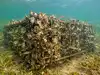
Georgia repurposed retired chicken cages as estuary reefs in the 1990s; years later, the structures remained stable and supported oyster growth
In an innovative move, Georgia has transformed chicken transport cages into artificial reefs to bolster marine life. Initiated in 1990, successful projects in Jove Creek and Van Dyke Creek highlighted the potential of this strategy. However, not every venture, like the Gold-Kist cages, yielded the same success. This initiative showcases how local industrial waste can contribute to environmental restoration, emphasizing the value of recycling in marine conservation efforts.

Graham Platner won Maine’s Democratic primary, then dropped out weeks later after ex-girlfriend’s sexual assault allegation: What his supporters say now
Graham Platner won Maine’s Democratic Senate primary by a wide margin but suspended his campaign weeks later after a former girlfriend accused him of sexual assault, an allegation he denied. Months later, some Democrats say party leaders treated him unfairly as he returns to oyster farming and Troy Jackson takes over the race against Susan Collins.
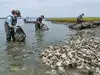
New Jersey planted more than 26,000 bushels of recycled oyster and clam shells across 8 acres; the total was double the amount initially planned
New Jersey has launched a remarkable shell recycling initiative aimed at revitalizing oyster reefs in the Mullica River estuary. This community-driven effort has surpassed all expectations, restoring twice the intended area. By partnering with local restaurants, which are actively involved in collecting and recycling oyster shells, the project underscores the crucial role oysters play in coastal ecosystems. Likewise, New York is undertaking similar efforts to bolster local oyster populations.

Bill Gates says next 20 years to be the most tumultuous in human history as Microsoft announces buyouts to 60,000 employees
Microsoft Layoffs: Bill Gates has warned that the next 20 years could be among the most tumultuous periods in human history as artificial intelligence and robots transform jobs and industries. The Microsoft co-founder believes AI could eventually create widespread abundance, but the transition may lead to job losses, economic uncertainty and a crisis of purpose for many workers. He has suggested shorter working hours, earlier retirement and selective AI adoption as possible ways to manage the disruption.
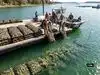
Amid layoff news, how 7 million oysters saved 1,000 jobs and environment in US
More than 7 million oysters have helped protect over 1,000 aquaculture and related jobs in the US while supporting marine conservation. The Supporting Oyster Aquaculture and Restoration (SOAR) programme was launched in 2020 after the COVID-19 pandemic left oyster farmers with large quantities of unsold shellfish. According to The Pew Charitable Trusts, the initiative has purchased oysters from over 150 growers, supported 35 restoration sites across eight US states and helped restore more than 60 acres of native oyster reefs.
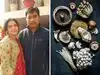
Rs 1.35 crore loan, Rs 15 crore annual revenue: How Uttarakhand’s engineering couple built a mushroom empire
Engineering couple Naveen Patwal and Poonam Sharma from Uttarakhand founded Planet Mushroom, specializing in the cultivation of exotic mushrooms in India. Despite facing a slew of challenges, including financial strains and market fluctuations, they persevered. The pandemic in 2020 dealt a heavy financial blow, but they successfully navigated the turmoil. Today, their business thrives with a diverse range of mushroom products and a loyal customer base, solidifying their market presence.
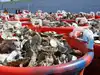
Since 2010, Maryland has reclaimed 308,500 bushels of discarded oyster shells for Chesapeake Bay restoration; its wider effort has planted billions of oysters
Maryland has repurposed over 300,000 bushels of used oyster shells since 2010, creating essential habitats for the growth of young oysters into thriving reefs. This project aims to restore the dwindling oyster population in Chesapeake Bay while enhancing critical underwater environments. To ensure the sustainability of these efforts, ongoing monitoring and protection of these habitats are paramount within the larger context of regional restoration actions.
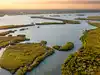
In 2004, Florida researchers attached 36 recycled oyster shells to each reef mat; restored Mosquito Lagoon reefs later reached about 1,000 live oysters per m²
Researchers along Florida’s Atlantic coast are using recycled oyster shells to restore damaged oyster habitats. Restoration mats that include used shells are designed to create surfaces for juvenile oysters to settle. Within years, these restored areas achieved densities akin to natural reefs, indicating successful recovery efforts. The benefits extend beyond oysters, aiding in water purification and providing habitats for other marine life.

Rs 250 investment, Rs 90 lakh annual revenue. How Kerala woman turned mushroom farming on her balcony into a thriving business
With Rs 250 as an investment, a Kerala couple, Shije and Thankachan started mushroom farming in their home balcony. Initially, they faced humble profits, making between Rs 2,000 to Rs 5,000 per month. Cut to a few years, their venture has blossomed into a bio-high-tech mushroom farm producing impressive annual revenues of Rs 80-90 lakh. Now they aspire to double this amount.
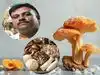
This Bengaluru man rejected Paris job offers to grow mushrooms in an old poultry shed, he now earns Rs 4 lakh a month
A Bengaluru entrepreneur, Prithviraj, turned his family's unused poultry shed into a mushroom farm after rejecting job offers in Paris. Starting with mushroom spawn worth Rs 180 and free paddy straw, he expanded the venture to around 4,000 growing bags, producing nearly 45 kg of mushrooms daily.

How is Kimberly Guilfoyle related to California governor Gavin Newsom? The surprising link between two political figures
Kimberly Guilfoyle and Gavin Newsom share a personal history that links two prominent personalities from opposing sides of American politics. The former couple tied the knot in December 2001 and divorced in 2005, before Newsom became governor of California and Guilfoyle rose to prominence in conservative media and Republican politics.
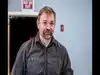
Who is Graham Platner? The Marine veteran who traded overseas deployments for oyster farming before a Maine Senate run in the US midterm elections
Graham Platner, an ex-U.S. Marine and oyster farmer from Sullivan, Maine, is running as a Democrat in the 2026 U.S. Senate race against Republican Sen. Susan Collins. After years in the military and working in the food and hospitality industries, Platner began an oyster-farming business that has become central to his political identity. His campaign is focused on working-class issues, affordable housing, access to health care, taxing the billionaire class and limiting the power of wealthy interests.
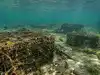
North Carolina removed 4 to 7 tons of abandoned crab pots from coastal waters; fishermen recycled the metal into 700 feet of new oyster-reef structure
Abandoned fishing traps contribute significantly to the deaths of marine life, notably in Chesapeake Bay. A North Carolina initiative creatively transformed derelict traps into new oyster reefs, helping local ecosystems. The project, which included voluntary efforts from fishermen and students, removed several tons of ghost gear. The restoration aims to counteract the long-term decline of oyster populations in many regions.
Load More


