
MONSOON RAINFALL DEFICIT

El Nino trigger: Rabi contingency plan drawn up for 225 districts amid rainfall deficit
The govt has developed a rabi contingency plan in response to the southwest monsoon's rainfall deficit. With concerns over soil moisture and reservoir levels, the plan targets 225 districts facing crop planning challenges. Recent rains have improved some reservoir levels, prompting a reassessment of the original strategies. Additionally, rising food prices and rice stocks have led to new regulatory measures across several states.

Tractor demand drying to likely 3-year low at arid farms
Tractor sales are projected to fall by up to 10% year-on-year, while vehicle dealers in some markets are also seeing sharp declines in sales of entry-level cars and two-wheelers. Tractor sales were up 8% to 610,000 units in the first half of the current year from a year-ago period, according to Tractor and Mechanisation Association. The pressure is also visible in entry-level motorcycles and cars, which have a large rural market.

HUL sales rise 15% to hit 14-quarter high, but inflation clouds demand outlook
Hindustan Unilever posted a turnover of ₹18,071 crore for the September quarter, highlighting a 15% rise. Even with a price increase of 7.5%, the company's volume growth remained stable at 7%. Homecare emerged as the standout performer, boasting a robust 22% sales growth. Earnings before interest, tax, depreciation, and amortisation climbed to ₹4,089 crore, an 8% boost. However, ongoing inflation and wage issues in rural sectors pose significant challenges.

NBFCs curb fresh loans in rural markets as weak monsoon raises repayment risks
India's leading non-bank lenders like Shriram Finance and Bajaj Finance are limiting new lending in drought-affected regions. The lenders are closely monitoring borrowers for early signs of repayment difficulties due to weak monsoon rainfall. Companies are adjusting loan growth expectations downward and strengthening collection efforts in impacted locations. Several states are under close scrutiny as economic pressures mount from lower incomes and agricultural yields.
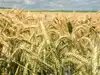
Wheat sowing lags at 11,000 hectare so far amid deficient monsoon; rabi acreage down
Wheat sowing in India has reached 11,000 hectares as of October 23, against 27,000 hectares a year earlier, as a deficient southwest monsoon raises concerns over soil moisture and irrigation availability. Punjab and Rajasthan face particular risks, while overall rabi crop coverage has also fallen, Agriculture Ministry data showed.

Karnataka seeks Rs 20,585 cr NDRF aid as drought loss crosses Rs 62,481 cr, DyCM Parameshwara writes to PM Modi
Karnataka is experiencing severe Kharif drought, affecting nearly 58 lakh hectares of land. Deputy Chief Minister G Parameshwara has reached out to Prime Minister Modi for Rs 20,585.73 crore in relief. Affected crops include maize, cotton, and sugarcane, with significant losses reported. The memorandum also requests funds for drinking water and nutrition support for vulnerable groups. Parameshwara emphasized the urgency to support farmers in their time of need.
- Go To Page 1

Chana sowing holds key to pulses inflation
Chana, India's most consumed pulse, which is central to making everything from salty snacks to nutritious meals, needs adequate soil moisture and cool weather for a good crop. Sowing has started in some regions, but the progress is slow. State advisories to conserve water and shift to less water-intensive crops have added to concerns over winter sowing.

Global sugar market supply deficit to grow sharply, analyst says
Major sugar-producing regions, including Brazil, India, and the European Union, struggle with adverse weather impacts from El Niño. Brazil's sugar production is significantly lower due to excessive rainfall affecting harvests at critical times.

Uneven rains may keep price of spices elevated
Southern India is currently grappling with challenges in spice production, primarily due to uneven monsoon patterns and parched soil, which are adversely affecting harvest yields. Despite expanding cultivation areas, turmeric yields are predicted to plummet owing to unfavorable weather. Additionally, delays in red chilli sowing in Andhra Pradesh and Telangana could lead to surging market prices.

Chennai on red alert as northeast monsoon brings heavy rain; rescue teams deployed
Chennai has been placed under a red alert due to forecasts of extremely heavy rainfall expected soon. Surrounding districts such as Kancheepuram and Coimbatore also received an orange alert for heavy rainfall. The Greater Chennai Corporation has undertaken proactive measures to manage the situation effectively. Relief centres have been established, and food distribution efforts are ongoing for affected residents.

Southwest monsoon exits India with 13% rain deficit
The southwest monsoon made its withdrawal from the entire country, which was expected this year. The northeastern monsoon has begun over Tamil Nadu, Puducherry, and other southern regions of India. Rainfall was recorded over Tamil Nadu, with many areas experiencing heavy downpours in the last 24 hours. The monsoon season concluded with a 13% deficit in rainfall, below the long-term average. The India Meteorological Department reported a total of 759.

How India's agricultural damage flags gap between climate warnings and adaptation finance ahead of COP31
High temperatures continue to impact Indian agriculture, leading to decreased crop yields and poor germination rates. Farmers report significant losses in banana production and vegetable crops like okra and gourd. Experts warn about the increasing unpredictability of climate events affecting food security and farming practices. There is a call for greater climate adaptation finance and improved forecasting measures to address these challenges.

Monsoon deficit raises risk of lower Rabi crop acreage
Farmers are likely to decrease rabi sowing due to inadequate rainfall and reduced soil moisture levels. This situation could lead to lower yields of critical crops such as wheat, pulses, and oilseeds. Many reservoirs are under pressure, with over half storing less than last year. State and central governments are encouraging farmers to choose crops based on water availability, especially in water-scarce regions.
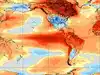
Super El Nino: What the potential arrival of a stronger 'little boy' means for India’s water, power, health, winter and summer?
India is projected to experience a warmer and drier start to winter as a super El Niño develops. A weak monsoon has led to concerns over water availability and crop health across the country. The World Meteorological Organization anticipates significant temperature increases and shifts in rainfall patterns. This unusual weather pattern may lead to increased health risks, especially during the summer months.

Northeast monsoon onset over southern peninsula likely in next 2-3 days: IMD
The Indian Meteorological Department said conditions are favourable for the onset of the northeast monsoon rains over the southern peninsula in the next two-three days. It also informed of a prolonged wet speek being likely over the southern penisula during the subsequent five-six days. North interior Karnataka is expected to receive isolated heavy rainfall on October 17 and 18, while Rayalaseema may experience similar conditions on October 15 and 16.

India’s monsoon risks may raise food industry costs: D&B
India is experiencing agricultural risks attributed to monsoon conditions, which could impact food processors and poultry producers. Procurement costs and inventory needs are likely to rise significantly due to these agricultural challenges. Rice and wheat stocks provide immediate buffers against potential food-supply issues, but maize faces direct risks from production shortfalls. Affected states include Madhya Pradesh and Rajasthan, which contribute significantly to overall foodgrain output.

El Nino pushes Pacific to its hottest ever, and global temperatures show no sign of cooling
El Nino has reached an all-time high in sea surface temperatures, significantly surpassing previous peaks. The rising temperatures are expected to have long-term effects on global climates until at least 2027. In India, El Nino typically leads to reduced monsoon rainfall, which already showed a deficit this year. Experts have warned that this phenomenon could further threaten agricultural yields and increase inflation.

FMCG companies face a Q2 margin squeeze: Rising crude oil, palm oil and packaging costs threaten profits despite demand recovery
FMCG companies are likely to face operating margin pressure in the September quarter of FY27 due to rising crude-linked derivatives, palm oil, sugar and other input costs. While companies such as Marico and Dabur expect double-digit revenue growth, profitability may be affected by inflation and uneven monsoon conditions. Businesses are relying on price hikes, favourable product mix and cost-saving measures to offset rising expenses.

Weather Today October 9: When will winter begin in India? IMD shares cold-wave update as Tamil Nadu, Kerala & Karnataka brace for rain
Winter in India: The IMD has forecast heavy rainfall in parts of Tamil Nadu, Kerala and Karnataka, with a low-pressure area likely to form over the southeast Bay of Bengal around October 13. The Southwest Monsoon is expected to withdraw from the entire country by mid-October, as the Northeast Monsoon sets in over south Peninsular India. India recorded a 72% rainfall deficit during October 1-7.

RBI Inflation FY2026-27: Malhotra & Co raises inflation forecast to 5.2% for FY27
RBI Inflation 2026-27 Forecast: The Reserve Bank of India has updated its inflation forecast for FY27 to 5.2% from 5.0% previously. This revision comes as retail inflation exceeds the RBI's target for three consecutive months. The rise in crude oil prices and food costs is a significant contributing factor. Additionally, a weaker rupee adds to imported commodity expenses and inflationary pressures. El Niño is also expected to impact food supply, further influencing inflation.

World Bank bumps up FY27 India growth outlook to 7.1%
The World Bank has increased the growth forecast for India's FY27 to 7.1% from earlier estimates. This revision is attributed to strong domestic demand and solid exports, despite global challenges. Growth is expected to moderate later in FY27 but rebound in the medium term. However, risks such as higher global oil prices and El Nino-related disruptions could impact performance.

States seek additional power as India faces night-time supply squeeze
Several Indian states, including Rajasthan and Gujarat, are seeking additional power allocations to manage supply shortages. This situation arises as hydropower output has weakened and maintenance at coal plants reduces electricity availability. Power shortages surged significantly in September due to high demand and low generation rates. The federal government is struggling to meet these requests as much of its available power is already allocated.

Double trouble at the dinner table: When will food prices normalise for Indians?
India’s food inflation: Food prices are rising unevenly, impacting household budgets, while inflation is projected to persist in upcoming months. Economists expect food inflation to reach up to 7% in the near future due to various factors. Weather risks, particularly from El Niño, could significantly affect crop yields and consequently food prices. Additionally, global events in West Asia contribute to higher energy and logistic costs.

RBI policy confronts a world with long tails
The RBI is likely to begin raising rates in October, with another hike possible in Q4 2026, as inflation risks broaden. Higher oil prices, weather shocks, weaker currency and geopolitical risks are fuelling imported pressures.

RBI MPC must raise rates as inflation and external risks rise
India's economy is currently thriving, boasting a growth rate exceeding 7%, bolstered by diverse sectors and enhancing productivity levels. Nonetheless, escalating oil prices and geopolitical instability present significant threats to economic stability and rising inflation. The Reserve Bank of India faces calls to increase interest rates to effectively address inflationary pressures. Furthermore, the current capital account surplus is insufficient to cover the current account deficit, reflecting persistent economic hurdles.

Fourth-lowest since 2001: Rainfall 13% below normal
The southern peninsula and East and Northeast India were particularly affected, receiving just 76% and 74% of their respective normal rainfall. East and Northeast India recorded 1,017.1 mm of rainfall, its lowest since 1901, while the southern peninsula received 542 mm, its fourth-lowest rainfall in 125 years. Central India, however, received normal rainfall at 97% of its LPA, while northwest India recorded 94.1%.

India braces weak October rains as El Nino drags monsoon to fourth-lowest since 2001
India’s southwest monsoon ended with rainfall 12.6% below average, making it the fourth-lowest monsoon rainfall since 2001, according to the IMD. The weather office expects below-average rainfall in October, while most parts of the country are likely to receive below-normal rainfall during the broader October-December period.

India's monsoon deficit widens to 12%; El Nino strengthens, positive IOD offers some relief: Report
El Nino conditions have strengthened further, raising concerns over India's monsoon rainfall, even as a positive Indian Ocean Dipole (IOD) may partly offset its impact, according to an ICICI Bank report.

Foodgrain target for 2026-27 cut to 374 MT amid El Nino concerns
The Centre has also assured states of adequate availability of fertilisers, certified seeds and financial resources for the 2026-27 rabi season.
Load More

