KITCHEN HYGIENE TIPS

Caked-on microwave food can loosen without hard scrubbing; boil 6 tablespoons of baking soda in 1 cup of water, then let it cool inside
Cleaning a microwave may seem daunting, especially with stubborn food stains that accumulate over time. However, using a simple baking soda solution combined with steam creates a gentle yet effective cleaning strategy. This approach minimizes scrubbing, which risks damage, allowing steam to loosen tough residue for effortless removal. Regular cleaning of microwaves is crucial not only for hygiene but also for ensuring the safety of the food cooked inside.
Pressure cooker mistake: Doctor says this dangerous habit could be causing more health problems than outside food
A pressure cooker’s rubber gasket is often overlooked during routine cleaning, despite regular exposure to steam, moisture and food residue. A social media post by homeopathic oncology practitioner Dr Tarang Krishna has highlighted the importance of removing and cleaning the gasket separately. While some health claims in the post require independent verification, regular cleaning, proper drying and timely replacement can help maintain pressure cooker hygiene and performance.
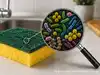
'Your kitchen sponge has more bacteria than toilet': Food safety officer shares deadly truth about how it may be making you sick without you even realising
Kitchen sponges can harbour more bacteria than toilet seats, potentially spreading germs instead of removing them. Their porous structure traps food particles and moisture, creating an ideal environment for bacteria to grow. According to food safety officer Ahana Nazar Hafis, replacing kitchen sponges at least once a week can help maintain better hygiene. She also suggests microfibre cloths as a more hygienic alternative because they dry faster and can be washed regularly.
Don’t throw away plastic bottles: How to make DIY planters and 7 other clever hacks to reuse them
Plastic bottles can be reused creatively instead of being thrown away. From DIY planters and watering cans to cable organisers, funnels, bird feeders and storage containers, these everyday items can serve multiple purposes at home. Reusing plastic bottles helps reduce waste while offering affordable solutions for gardening, organisation and household needs. With simple modifications, old bottles can become practical tools that are useful, sustainable and cost-effective.

Common refrigerator habits could put your family at risk of food poisoning. US FDA explains why
The US Food and Drug Administration (FDA) has warned that common refrigerator and food storage habits can increase the risk of food poisoning. The agency advises keeping raw meat separate from ready-to-eat foods, maintaining the refrigerator at 40°F (4°C) or below, refrigerating groceries and leftovers on time, and avoiding thawing meat on the kitchen counter. Following its four food safety principles - Clean, Separate, Cook and Chill - can help reduce the spread of harmful bacteria and keep food safe at home.

Health experts explain why every kitchen should have two cutting boards and when to replace them
Health experts recommend keeping two separate cutting boards in the kitchen, one for raw meat and another for fruits, vegetables and bread, to reduce the risk of cross-contamination. They also explain the growing concerns around microplastics from plastic cutting boards, the best ways to clean them and the signs that indicate it's time to replace a worn-out board.
- Go To Page 1

Your fridge could be making you sick: Experts explain how to correctly store food in your refrigerator
As temperatures rise, the FSSAI warns of common fridge storage mistakes increasing food poisoning risks. Proper separation of raw and cooked foods, maintaining a fridge temperature below 5°C, and careful egg storage are crucial. These simple habits prevent bacterial contamination and protect families from illness during summer.

Your kitchen drain is probably growing bacteria right now, here's how to clean it
Your kitchen sink drain harbors more germs than your bathroom, posing a health hazard due to bacteria, grease, and food particles. A simple monthly cleaning routine using baking soda, dish soap, and white vinegar can effectively combat buildup and odors. For persistent issues, enzyme cleaners are an option, but consult a plumber for stubborn clogs.

Stop hanging your kitchen towel on the oven handle — here's what to do instead
Damp kitchen towels harbor bacteria and pose fire hazards when left on counters or oven handles. A simple solution involves using adhesive hooks near the sink for proper drying and accessibility. This renter-friendly fix prevents towels from becoming breeding grounds for germs and fire hazards. Strategically placed hooks offer a low-effort, high-reward improvement for any kitchen.

Why do some people keep sponge in fridge? This simple trick has 5 benefits
A simple kitchen hack is gaining traction: placing a dry sponge in your fridge's vegetable drawer. This seemingly odd practice effectively absorbs excess moisture, a primary cause of premature food spoilage. By controlling humidity, the sponge helps keep produce like leafy greens and berries fresher for longer, reducing food waste and extending shelf life.

How to safely eat watermelons: Lessons to learn after family of 4 dies in Mumbai due to suspected food poisoning from watermelon
A family of four in Mumbai died after suspected food poisoning linked to watermelon consumed late at night, prompting an ongoing investigation. While the exact cause is yet to be confirmed, the incident has highlighted how melons can become contaminated at different stages, from farming to handling. Food safety experts point out that bacteria can enter through damaged rinds or poor hygiene practices.
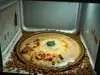
Why Your Microwave May Need More Than a Quick Wipe Down
Your microwave may be dirtier than it appears. Hidden grease and food particles accumulate, leading to bacteria growth and odors. Simple wiping is not enough. Experts recommend a deep clean monthly to remove baked-on splatters and ensure safe food preparation. This regular maintenance prevents performance issues and extends the appliance's life. A clean microwave is a healthy microwave.

How to clean a microwave without scrubbing: A steam method that loosens stuck food
Discover a scientifically-backed steam cleaning method for microwaves that efficiently dissolves tough food residues and eliminates bacteria. This gentle technique, utilizing heat and moisture, softens dried-on messes, making them easy to wipe away without damaging the appliance. It offers a healthier, more effective alternative to vigorous scrubbing.

Why Your Kitchen Counter Still Feels Sticky No Matter How Much You Clean It
Sticky kitchen counters are a common issue. This happens because grease builds up over time. Regular wiping often fails to remove this stubborn layer. Scientists explain grease is different from dirt. It requires a special approach. Effective cleaning involves scrubbing and degreasing agents. This tackles the invisible grease particles. Proper cleaning is important for hygiene and safety.

Bengaluru food poisoning: Nearly 100 employees fall sick after eating idli-vada at office canteen; What FSSAI says about these foods you eat daily
In a suspected food poisoning incident in Bengaluru, 97 employees fell ill after consuming fermented foods like idli, vada, and sambar-rice, highlighting serious summer food safety concerns. Experts warn that high temperatures increase the risk of bacterial contamination in fermented foods, making adherence to Food Safety and Standards Authority of India (FSSAI) hygiene and safety guidelines crucial to prevent food-borne illnesses.

This Everyday Kitchen Habit Could Be Quietly Affecting Your Food More Than You Think
Your kitchen cutting board poses hidden risks. Plastic boards shed microplastics, potentially harming food and health. Wooden boards can trap bacteria despite natural defenses. Experts stress that cleaning is more crucial than material choice. Simple steps like replacing worn plastic boards and using separate ones for meat and vegetables significantly boost food safety.

Should Mugs Face Up or Down? Experts Tell
A debate rages in American kitchens over how to store coffee mugs. Keeping them face down protects against dust, especially in open spaces. However, in humid, enclosed cabinets, face-up storage prevents moisture buildup and mold growth. Research suggests the ideal method depends on your kitchen's specific conditions. Proper drying before storage is also crucial for hygiene and durability.

This Quick Kitchen Cleaning Shortcut Could Be Ruining Your Countertops; Here’s What to Use Instead
Common household cleaning shortcuts like disinfecting wipes and vinegar sprays can cause invisible damage to kitchen countertops, leading to deeper micro-scratches and increased degradation. Studies reveal these methods can harm sealants, make surfaces porous, and even harbor bacteria, compromising hygiene and potentially leading to costly repairs or replacements over time.

Vastu Shastra tips to improve home energy, health and overall well-being
Vastu Shastra offers simple home adjustments for improved health and energy. Key areas like the entrance, northeast corner, bedroom, kitchen, and bathroom benefit from specific placements and cleanliness. Proper ventilation and daily habits like lighting a diya enhance positivity. These mindful changes create a balanced environment, supporting physical and mental well-being for residents.

This Popular Kitchen Cleaning Hack Might Be Ruining Your Counters
Many common kitchen cleaning shortcuts, like using vinegar on natural stone or hardwood, can cause long-term damage due to their acidic nature. Experts warn that harsh chemicals, abrasive tools, and excessive moisture from direct spraying also erode protective finishes and materials. A smarter approach involves using milder cleaners and appropriate tools to maintain hygiene without harming surfaces.

How to remove worms and pesticides from strawberries at home: Simple kitchen hacks you should never skip
Strawberries are nutritious but may carry dirt, small insects and pesticide residues. Simple home cleaning methods can help ensure they are safe to eat. Rinsing them thoroughly under running water removes surface dirt and some contaminants. A brief salt water soak can help dislodge tiny larvae if present. Baking soda or vinegar solutions may further reduce certain pesticide residues and surface bacteria. Always wash strawberries just before eating, as washing them in advance can cause them to spoil more quickly.

How to clean bhindi properly without spoiling its texture: Simple cleaning tips to preserve okra’s natural crunch
Learn how to clean bhindi (okra) to prevent sliminess and maintain its natural crunch. Proper drying after a gentle rinse under running water is crucial. Avoid soaking and ensure pods are completely dry before cutting with a dry knife for perfectly textured bhindi every time.

AIIMS doctor reveals 7 common skincare mistakes that are quietly damaging your skin
Dermatologist Dr. Aanchal Panth highlights common skincare mistakes that can damage your skin, such as overwashing, neglecting scalp hygiene, and using dirty pillowcases. She advises against sharing towels, popping pimples at home, and blindly following skincare trends without understanding your skin type. Effective treatment requires professional guidance and targeted ingredients.
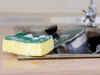
Pneumonia, kidney failure, and more: Your kitchen sponge could slowly be killing you
Kitchen sponges, often used to maintain cleanliness, can harbour more bacteria than toilet seats. Studies reveal they can host up to 54 billion bacteria per cubic centimetre, including harmful pathogens like Salmonella and E. coli. Regular sanitisation and replacement of sponges are essential to mitigate health risks.

World Hand Hygiene Day: Phones & keys can be dirtier than you think; it's crucial to maintain hygiene
Washing hands can prevent diarrhoea, respiratory, skin and eye infections.

India is dirty because Indians are clean
There's been an explanation passed down generations to explain why we're so filthy: India is so dirty because Indians are so clean.
Load More