

6 reasons why ants are invading your kitchen and how to stop them
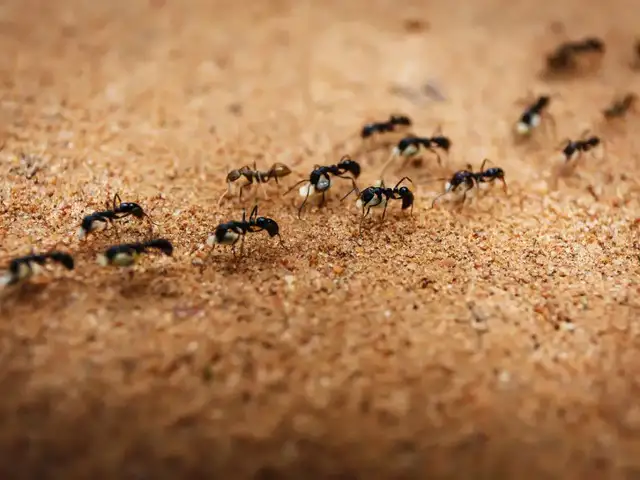
April marks the beginning of the intense summer heat across India, which drives ants out of their underground nests in search of moisture and cooler environments. Your kitchen, with its proximity to water and food, becomes the ultimate target. Understanding that ants aren't just looking for sugar—but also survival—is the first step toward keeping your home pest-free during this transition into the hot season.
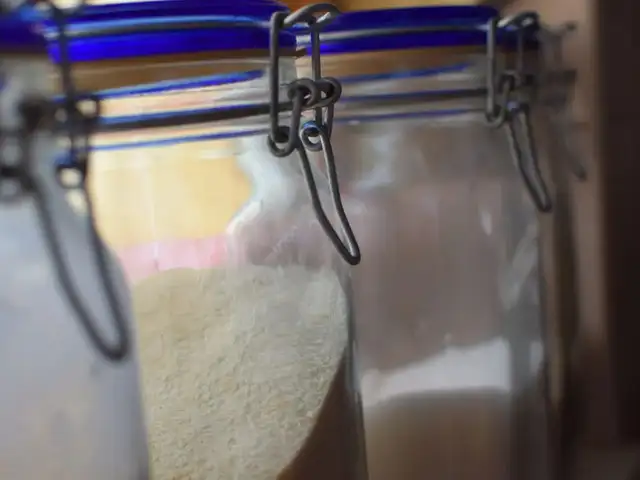
A common mistake in many Indian kitchens is keeping flour (Atta) or pulses in containers that aren't truly airtight. Even the tiny amount of flour dust left on the rim of a jar is enough to attract a scout ant. Once one ant finds it, they leave a scent trail for thousands of others.
The Fix: Switch to high-quality clip-lock containers and always wipe the outside of the jars with a damp cloth after use to remove any invisible food trails.
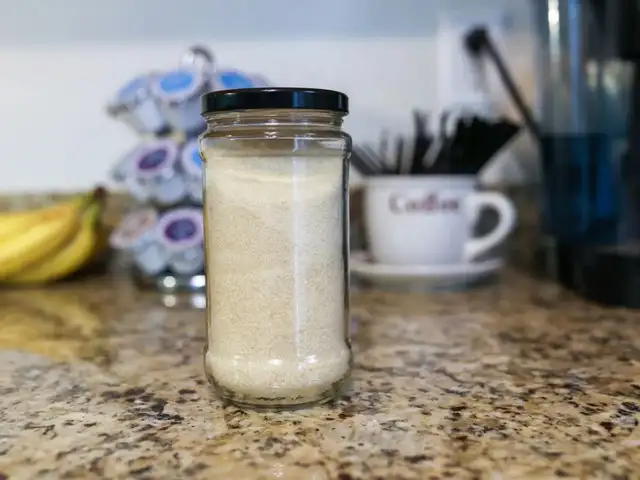
We often keep Prasad or sugar cubes in small bowls for daily rituals, but sugar is the highest-energy fuel for an ant colony. Leaving these sweets exposed on a countertop is like putting up a neon sign for pests. Even a single grain of sugar dropped near the tea station can trigger an invasion.
The Fix: Keep all sugar and sweets in the refrigerator or in jars with a rubber seal. A traditional Indian hack is to place a few cloves (Laung) inside your sugar jar; ants hate the strong smell and will stay away.
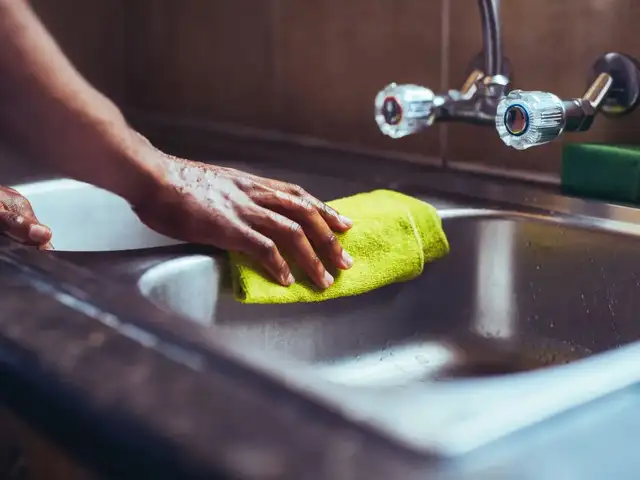
In the dry April heat, ants are often more desperate for water than food. Leaving a soaking wet kitchen cloth or a small puddle of water near the sink provides them with a vital watering hole. A damp cloth left overnight is the perfect humid environment for ants to congregate.
The Fix: Always wring out your cleaning cloths and hang them to dry in a sunny spot. Wipe your kitchen counters (Slab) completely dry before going to bed to ensure there are no water sources available.
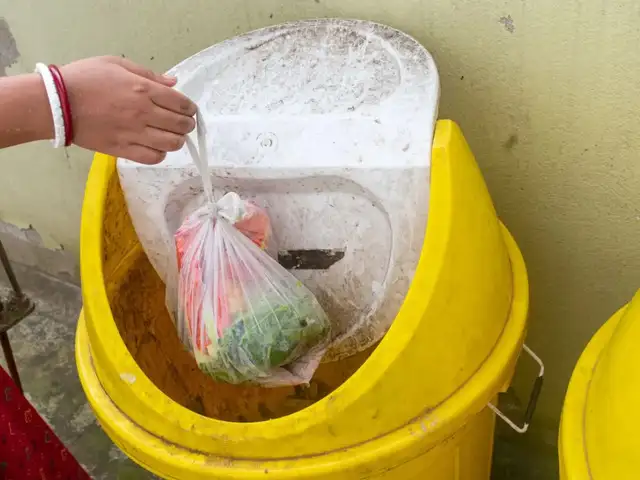
With the April heat, food waste like fruit peels or leftover Sabzi begins to ferment and smell much faster. This scent carries through the air and draws ants from great distances. If your bin doesn't have a tight lid, it becomes a 24/7 buffet for the colony.
The Fix: Use a dustbin with a firm, foot-operated lid. Most importantly, clear your kitchen waste every single night rather than leaving it until the morning. Sprinkling a little baking soda at the bottom of the bin can also help neutralize inviting smells.

If you have a pet, leaving their food bowl on the kitchen floor all day is a major mistake. Ants can easily climb into the bowl, and because pet food is high in protein and fat, it is highly attractive to them. Once they find it, they will often set up a permanent trail through your kitchen.
The Fix: Practice "timed feeding" where you pick up the bowl once your pet is done. If you must leave food out, create a "moat" by placing the food bowl inside a slightly larger shallow dish filled with water. Ants cannot swim and won't be able to reach the food.
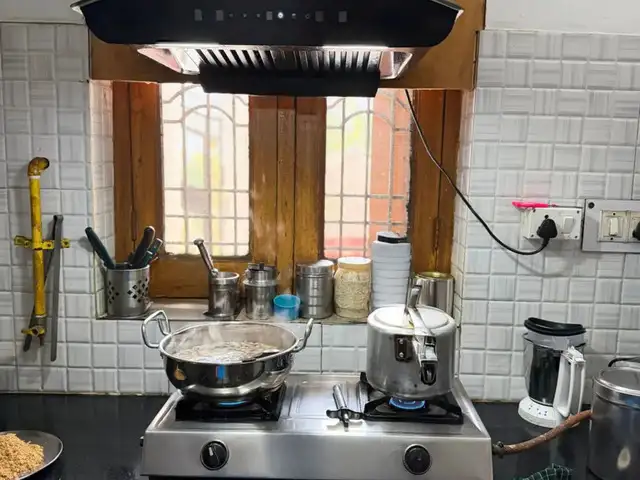
Many Indian kitchens have small gaps in the window mesh or cracks where the countertop meets the wall. We often ignore these, but for an ant, a tiny crack is a grand entrance. They use these "highways" to enter your home directly from the garden or balcony.
The Fix: Use simple white cement or silicone sealant to plug any visible holes. For a natural repellent, spray a mixture of white vinegar and water (50/50) around window frames and entry points once a week. The vinegar destroys their scent trails and discourages them from entering.
(Disclaimer: This story is for educational purposes alone.)

