
ISRAELI COALITION GOVERNMENT
If Netanyahu loses, what happens next in the US-Israeli war on Iran?
Benjamin Netanyahu's upcoming election holds significant implications for Israel's policy on Iran. Depending on the election's result, the country's military posture towards regional adversaries could drastically change. Gadi Eisenkot might keep applying pressure on Iran, but a new leadership could prefer a diplomatic stance. This fluid political atmosphere presents opportunities for potential negotiations, underscoring the nuanced relationship between military action and foreign diplomacy in the region.

Egypt approves military support for Saudi Arabia after Houthi attacks escalate
Egypt's parliament has approved military support for Saudi Arabia as conflicts with the Houthis escalate. This decision follows President Abdel Fattah al-Sisi's request to defend Saudi territory if needed. Cairo's involvement may include limited ground support while avoiding an attack on Yemen itself. The Houthis have intensified attacks, threatening Saudi infrastructure and increasing regional tensions. Egyptian officials advocate for diplomatic solutions alongside military preparedness to ensure stability.
Israel votes tomorrow: What’s at stake for India as Bibi faces tough fight
Israel's elections on October 27 will significantly affect the country's relationship with India. More than just political outcomes, defense and trade agreements will be critical in bilateral ties. India aims to maintain cooperation regardless of the election's outcomes or the new leadership in Israel. The balance between Israel and Iran remains essential for India's regional strategy and economic interests.

Israel election 2026: Netanyahu might be finished but his policies toward the Palestinians will largely endure
Israel's elections are anticipated to end Prime Minister Netanyahu's long political career while his settlement policies may endure. Many Israelis support settlement expansion despite deep divisions regarding Netanyahu's leadership and character. Netanyahu's opponents aim to address settler violence yet largely oppose a two-state solution. While new leadership might slow down settlement activities, significant changes seem improbable.

Israel election 2026: Who is challenging Benjamin Netanyahu for power?
Israeli Prime Minister Benjamin Netanyahu's Likud party is losing ground ahead of the upcoming elections. Various opposition figures are attempting to capitalize on public dissatisfaction with Netanyahu's leadership. However, the opposition parties have differing political views, making coalition building difficult. Several smaller parties could play a crucial role in determining government formation outcomes. The election results will significantly influence Israel's political direction and Netanyahu's potential future.

Ahead of Israel election, local media reports of 'clash' between IDF boss and Netanyahu over Iran attack plans
Reports indicate tension is brewing between Israeli Prime Minister Benjamin Netanyahu and IDF Chief General Eyal Zamir. This disagreement centers on military actions related to Iran ahead of upcoming elections. Netanyahu has sought political advantage from the situation, leading to concerns among military leaders. The impending elections may significantly impact the political landscape with projections showing a possible gridlock.
- Go To Page 1
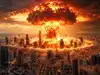
When is Israel election 2026? Benjamin Netanyahu shares nuclear blast image, warns of ‘second Holocaust’ over Iran
Israel elections 2026: Israel will hold general elections on October 27, 2026, amid heightened security concerns and political uncertainty. Ahead of the vote, Benjamin Netanyahu shared an AI-generated image depicting a nuclear explosion alongside a warning about Iran, a potential “second Holocaust” and the political uncertainty surrounding Donald Trump’s eventual successor.

Disenchanted Netanyahu supporters are prize of Israel election campaign
Voters in Dimona have begun campaigning for Gadi Eisenkot, seeking to unseat Prime Minister Benjamin Netanyahu. The upcoming election reflects growing discontent among traditional Likud supporters who are now considering alternatives. Netanyahu faces declining support due to the fallout from Hamas' October 7 attack, as many voters express the need for change. Eisenkot's personal story and security credentials resonate with voters, leading to a competitive race.

5 world market themes for the week ahead
An important week is upcoming with central banks like the Federal Reserve and European Central Bank making policy decisions. Major companies, including Alphabet, Amazon, and Microsoft, are set to report their earnings. Political events are also significant, with elections in Israel and Brazil influencing markets. China's leadership will hold discussions focused on party governance amidst external pressures.

Why did market fall today? Sensex, Nifty end the week in deep red. 4 key factors behind sharp selloff
The Indian stock market has witnessed losses for four consecutive sessions due to multiple factors. Oil prices have surged to $114 per barrel following geopolitical tensions in the Middle East. Foreign institutional investors are actively selling Indian equities, leading to further market declines. Broader market indices such as Nifty Smallcap 100 and Nifty Midcap 100 are underperforming sharply.

Oil Price Today (October 23): Crude oil ticks over $114, jumps nearly 8% this week as energy attacks intensify. What are experts saying?
Brent crude futures rose 50 cents, or 0.45%, to $114.02 a barrel, while US West Texas Intermediate (WTI) crude gained 40 cents, or 0.42%, to $100.
Aramco asks staff to evacuate Dhahran HQ; US pulls out some Saudi diplomats
Clashes between the Houthis and a Saudi-led coalition that backs Yemen's internationally recognised government have raged since the group pushed towards Bab el-Mandeb, a shipping chokepoint at the Red Sea's mouth.

Beyond the ballot: Why Israel's next leader may stick to Netanyahu's doctrine
Israel's upcoming election is unlikely to change its aggressive stance towards Iran and Palestinian statehood. Even if Benjamin Netanyahu retains power, he may escalate military actions and settlement expansions. The election reflects a broader trend of hardline politics, where consensus exists against Palestinian statehood. Regional policymakers expect continued confrontations while underlying issues remain unaddressed. The situation may lead to prolonged tensions in the Middle East with unresolved conflicts persisting.

A look at the major candidates in Israel's election Tuesday
Next Tuesday, Israeli citizens will vote for their next prime minister amid a tense political landscape. Benjamin Netanyahu has led Israel for years and faces strong opposition from Gadi Eisenkot. Eisenkot, a former military chief, has positioned himself as a moderate alternative but maintains a focus on security. Other prominent figures include Naftali Bennett, Itamar Ben-Gvir, and Mansour Abbas, each with unique political stances.
School assembly headlines for October 22: Top India, international, business and sports updates
School assembly news headlines for October 22, 2026, cover major national, international, business and sporting developments. Key updates include India-US trade talks, an SBI customer-data security incident, proposed incentives for solar farming, global conflicts and protests, and India’s growing medal tally at the Asian Para Games. Students can use these headlines to stay informed about current affairs and prepare for school morning assemblies.

JD Vance declines to endorse Netanyahu for reelection, says he's focusing on midterms
JD Vance declined to endorse Israeli President Benjamin Netanyahu for his reelection while emphasizing his focus on American candidates. This decision follows President Donald Trump's endorsement of Netanyahu and comes during rising antisemitism concerns among Jewish Americans. Vance previously campaigned for a foreign leader, Viktor Orban, but now prioritizes the midterms in the U.S.

US Defense Secretary Pete Hegseth meets Netanyahu in unannounced visit to Israel, reports Axios
US Defense Secretary Pete Hegseth visited Israel to meet with Prime Minister Benjamin Netanyahu during an unannounced trip. This visit occurred shortly after US President Donald Trump endorsed Netanyahu for the upcoming parliamentary election. The election will be Israel's first since the Hamas attack on October 7, 2023, which caused significant turmoil. Opinion polls indicate Netanyahu's coalition may lose its governing majority amidst these developments.
Israel election 2026: Netanyahu’s allies, rivals and the smaller parties that could decide his fate
Israel’s October 27 election will test Prime Minister Benjamin Netanyahu’s leadership following the October 7, 2023, attack and subsequent wars. Likud and its right-wing allies face centrist and left-wing challengers, while smaller factions and Arab-led parties could prove decisive in coalition negotiations to secure a majority in the 120-member Knesset.
Trump says Saudi Arabia should accept Israel's "helpful" offer against Houthis
US President Donald Trump has urged Saudi Arabia to accept Israel's offer of help against Houthi rebels, calling Israeli support "very helpful". Trump also said Saudi Arabia could join the Abraham Accords, as regional hostilities intensify, Iran denies involvement in Houthi attacks, and Yemen's government reports missile strikes near Aden International Airport.

Saudi Arabia accuses Iran of encouraging Houthis in latest escalation
Saudi Arabia has recently reported an increase in Houthi attacks, which they attribute to Iranian support. The conflict in Yemen has escalated following a truce's collapse, leading to attacks on Saudi infrastructure. Diplomatic communications between Saudi Arabia and Iran continue, but concessions have not been made yet. Meanwhile, the humanitarian crisis in Yemen persists, affecting most of the population's access to aid.
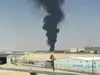
Saudi Arabia accuses Iran of encouraging Houthis in latest escalation
Saudi Arabia has accused Iran of arming and training Yemen's Houthi militants, escalating the ongoing conflict. The Houthis launched numerous attacks on Saudi Arabia, including a deadly strike on Riyadh's international airport. Communication attempts between Saudi Arabia and the Houthis have failed, with recent meeting requests being declined. The intensified violence has also drawn concerns regarding the humanitarian crisis in Yemen.
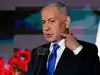
Israel’s opposition wants Netanyahu out. Its leaders’ positions on Palestine reveal the limits of a political shake-up
Four opposition parties in Israel are collaborating to remove Benjamin Netanyahu from power in the upcoming election. While they agree on ousting Netanyahu, their commitment to alter policies regarding Palestinians is uncertain. Notably, key leaders within the alliance maintain strict positions against Palestinian statehood and support for settlements. The potential shift in government may not lead to significant changes in the treatment of Palestinians.
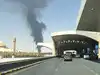
Deadly attacks on Saudi Arabia risk wider war that draws in US
Yemen’s Houthis have increased their attacks on Saudi Arabia, targeting Riyadh’s main airport this weekend. These strikes resulted in significant casualties and increased pressure on Crown Prince Mohammed bin Salman. The escalation of hostilities raises concerns regarding potential US intervention and the collapse of a previous truce. Saudi Arabia's relationship with its allies may also be tested amid this ongoing conflict.
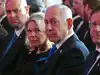
War-weary northern Israelis rethink loyalty to Netanyahu before election
Residents in northern Israel are reassessing their political support for Prime Minister Netanyahu as elections approach. Many former supporters express dissatisfaction with the government's handling of recent conflicts. Displaced individuals and business owners cite ongoing trauma and economic struggles following years of warfare. While some still support tough measures against threats, others demand significant change in leadership. The forthcoming election could see a shift in voter loyalty amidst these challenges.

Pedro Sánchez prepones elctions after legislative defeat amid Spain's housing crisis
Spanish Prime Minister Pedro Sánchez has called for early elections after his government experienced a legislative defeat regarding housing measures. The elections are scheduled to take place on November 29, in response to public protests over housing affordability. Sánchez’s governmental coalition has struggled with several smaller parties impacting legislative progress. The conservative Popular Party, which holds the most Parliament seats, is expected to challenge Sánchez in the elections.
Saudi Arabia plans assault on Houthis to break Red Sea chokehold
Saudi Arabia is preparing for an offensive against Houthi militants in Yemen, focusing on securing the Bab el-Mandeb Strait. The operation is expected to include coordinated attacks from multiple fronts alongside Yemeni ground forces. Over 100,000 Yemeni troops could potentially participate in the planned military action. U.S. intelligence support and military aid from other nations will assist the Saudi campaign in Yemen.

As Brazil gears up for elections, US midterms signal a transformative year for global politics and democracy
Brazil is preparing for a closely watched presidential election involving incumbent Luiz Inacio Lula da Silva and challenger Flavio Bolsonaro. Other countries, including Israel and the US, also have significant elections scheduled soon, which may influence global markets. Investors are particularly attentive to Brazil's fiscal concerns and the potential impacts of these elections.

Iran awaits US response on Strait of Hormuz plan after Trump reportedly rejects deal
Iran awaited a US response to its proposal to reopen the Strait of Hormuz and halt fighting across the Middle East, after the Wall Street Journal reported President Donald Trump rejected the plan. Tehran said the proposal could reopen the waterway within seven days and lead to broader talks, including on its nuclear programme.

Lebanon security talks in Paris focus on replacing UN mission
Leaders from France, Lebanon, and Jordan met in Paris to discuss future support. They are planning a new force to replace the UN peacekeeping mission. This comes as the UNIFIL mandate concludes after nearly fifty years of operations. Lebanon seeks a European or other force to prevent a security vacuum.
Load More

