


 Reuters
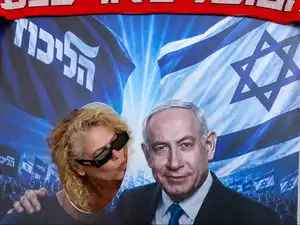
Israeli Prime Minister Benjamin Netanyahu is set to face a tough electoral contest as voters head to the polls on Tuesday, with his Likud party losing ground in opinion polls and opposition parties yet to establish a clear path to power.
Netanyahu, who has dominated Israeli politics for much of the period since 2009, is seeking another term despite growing criticism over the Hamas-led attack on October 7, 2023, and the wars that followed in Gaza and Lebanon, as well as Israel's airstrikes against Iran.
Also Read: Ahead of Israel election, local media reports of 'clash' between IDF boss and Netanyahu over Iran attack plans
The election could reshape Israel's political direction, but the outcome will depend not only on how many seats Netanyahu's Likud party wins, but also on which parties can come together to form a parliamentary majority.
This makes alliances and negotiations central to the process of forming a government.
The October 7, 2023, Hamas attack dealt a serious blow to his security credentials. His government's handling of the subsequent wars has also kept him under scrutiny.
Netanyahu is wanted by the International Criminal Court over alleged war crimes in Gaza, charges he rejects. He is also facing a corruption trial in Israel, which he denies.
His government's positions on religion and the state have added to public discontent. Opinion polls have indicated a sharp decline in support for Likud since the October 7 attack, although the contest has narrowed as election day approaches.
Also Read: Disenchanted Netanyahu supporters are prize of Israel election campaign
At 77, Netanyahu remains a formidable political operator. He has said he wants to form a "broad national" government if he wins. If no bloc can secure a majority, he could continue as caretaker prime minister while parties negotiate.
His campaign draws on his military experience, personal loss and image as an outsider to Israel's established political leadership.
Their message focuses on bringing a divided country together and restoring stability. Despite their different political backgrounds, Bennett and Lapid joined forces in 2021 to remove Netanyahu from office.
His Israel Our Home party draws much of its support from Israel's former Soviet immigrant community.
Also Read: Netanyahu invites PM Modi to light torch together with Indian pilot Smit Machchhar on Israel's Independence Day
He received recognition for helping rescue people from one of the sites targeted during the October 7 Hamas attack. His party represents the left-wing alternative in a contest dominated by security concerns and disagreements over the country's future direction.
Both have drawn international criticism for their positions on Palestinians.
Smotrich has backed the expansion of Israeli settlements in the occupied West Bank and said he wants to bury the idea of a Palestinian state. Ben-Gvir, who was convicted of racist incitement against Arabs in 2007, has pushed for capital punishment for convicted Palestinian militants, tougher prison conditions for Palestinian prisoners and easier access to guns for Israelis.
Both have also supported the expulsion of Palestinians from Gaza and Israeli resettlement of the enclave.
Their influence could prove important if Netanyahu needs their parties to secure enough parliamentary seats to form a government.
Their demands for exemptions from compulsory military service have become a major source of tension, particularly during a period of war. Their communities' relatively low participation in the workforce and reliance on state benefits have also fuelled public debate over the distribution of national responsibilities and resources.
If the election produces a closely divided parliament, these parties could once again play a decisive role in government formation.
These include Raam and the Joint List, which represent Israel's Arab minority, making up around 20% of the population. Other potential players include the new right-wing People of Israel party and the centre-right Reservists party, both of which have fluctuated in opinion polls.
The final result will therefore depend on more than the contest between Netanyahu and his principal challengers. The number of seats won by smaller parties, their willingness to enter coalition negotiations and the alliances they are prepared to support could prove decisive.
(You can now subscribe to our Economic Times WhatsApp channel)
Netanyahu, who has dominated Israeli politics for much of the period since 2009, is seeking another term despite growing criticism over the Hamas-led attack on October 7, 2023, and the wars that followed in Gaza and Lebanon, as well as Israel's airstrikes against Iran.
Also Read: Ahead of Israel election, local media reports of 'clash' between IDF boss and Netanyahu over Iran attack plans
The election could reshape Israel's political direction, but the outcome will depend not only on how many seats Netanyahu's Likud party wins, but also on which parties can come together to form a parliamentary majority.
How Israel votes
Israel uses a proportional representation system. Voters choose parties, and parliamentary seats are distributed according to each party's share of the vote.
This makes alliances and negotiations central to the process of forming a government.
Benjamin Netanyahu: A political survivor under pressure
Netanyahu has served as prime minister for much of the period since 2009, following an earlier term in the 1990s. His supporters see him as a leader capable of protecting Israel in a hostile region, while critics hold him responsible for security failures and policies that have deepened divisions within the country.The October 7, 2023, Hamas attack dealt a serious blow to his security credentials. His government's handling of the subsequent wars has also kept him under scrutiny.
Netanyahu is wanted by the International Criminal Court over alleged war crimes in Gaza, charges he rejects. He is also facing a corruption trial in Israel, which he denies.
His government's positions on religion and the state have added to public discontent. Opinion polls have indicated a sharp decline in support for Likud since the October 7 attack, although the contest has narrowed as election day approaches.
Also Read: Disenchanted Netanyahu supporters are prize of Israel election campaign
At 77, Netanyahu remains a formidable political operator. He has said he wants to form a "broad national" government if he wins. If no bloc can secure a majority, he could continue as caretaker prime minister while parties negotiate.
Who are Netanyahu's main rivals?
Several opposition figures are seeking to capitalise on public dissatisfaction, but their differing political positions could make it difficult to build a stable coalition.Gadi Eisenkot: The former military chief
Eisenkot, 66, is a former Israeli military chief whose son was killed in combat in Gaza. He leads Yashar, a new centrist party, and has presented himself as a security-focused alternative to Netanyahu.His campaign draws on his military experience, personal loss and image as an outsider to Israel's established political leadership.
Naftali Bennett: The former prime minister
Bennett, 54, is a former commando, technology entrepreneur and prime minister who previously worked alongside Netanyahu. He has joined forces with former prime minister Yair Lapid in a new alliance called Together.Their message focuses on bringing a divided country together and restoring stability. Despite their different political backgrounds, Bennett and Lapid joined forces in 2021 to remove Netanyahu from office.
Avigdor Lieberman: The former ally turned critic
Lieberman, 68, once worked closely with Netanyahu but has become one of his sharpest critics. A former defence minister, he has taken an even harder line than Netanyahu on Palestinian militants and quit the government in 2018, accusing the prime minister of being too soft on Gaza.His Israel Our Home party draws much of its support from Israel's former Soviet immigrant community.
Yair Golan: The left-wing challenger
Golan, 64, a former general, leads the Democrats, a party formed from elements of Israel's historic Labour movement and the Meretz party.Also Read: Netanyahu invites PM Modi to light torch together with Indian pilot Smit Machchhar on Israel's Independence Day
He received recognition for helping rescue people from one of the sites targeted during the October 7 Hamas attack. His party represents the left-wing alternative in a contest dominated by security concerns and disagreements over the country's future direction.
The far-right allies Netanyahu depends on
Netanyahu's political survival has depended in part on support from far-right figures, including Finance Minister Bezalel Smotrich, 46, and National Security Minister Itamar Ben-Gvir, 50.Both have drawn international criticism for their positions on Palestinians.
Smotrich has backed the expansion of Israeli settlements in the occupied West Bank and said he wants to bury the idea of a Palestinian state. Ben-Gvir, who was convicted of racist incitement against Arabs in 2007, has pushed for capital punishment for convicted Palestinian militants, tougher prison conditions for Palestinian prisoners and easier access to guns for Israelis.
Both have also supported the expulsion of Palestinians from Gaza and Israeli resettlement of the enclave.
Their influence could prove important if Netanyahu needs their parties to secure enough parliamentary seats to form a government.
Ultra-Orthodox parties could hold the key
Netanyahu has also relied on two ultra-Orthodox Jewish parties, Shas and United Torah Judaism, to maintain his parliamentary majority.Their demands for exemptions from compulsory military service have become a major source of tension, particularly during a period of war. Their communities' relatively low participation in the workforce and reliance on state benefits have also fuelled public debate over the distribution of national responsibilities and resources.
If the election produces a closely divided parliament, these parties could once again play a decisive role in government formation.
Which parties could decide the outcome?
Parties that do not clearly align with either major bloc could determine who becomes prime minister.These include Raam and the Joint List, which represent Israel's Arab minority, making up around 20% of the population. Other potential players include the new right-wing People of Israel party and the centre-right Reservists party, both of which have fluctuated in opinion polls.
The final result will therefore depend on more than the contest between Netanyahu and his principal challengers. The number of seats won by smaller parties, their willingness to enter coalition negotiations and the alliances they are prepared to support could prove decisive.
Add  as a Reliable and Trusted News Source
 Add Now!
(You can now subscribe to our Economic Times WhatsApp channel)

















 ETPrime Membership


















