
ISRAEL ELECTION RESULTS
Gadi Eisenkot gets mandate to form govt in Israel after tight vote
Gadi Eisenkot received the mandate from President Isaac Herzog to form a new government in Israel. He aims to establish a coalition that can secure a parliamentary majority following the recent elections. Eisenkot's bloc holds 48 seats, while Netanyahu's coalition has 53 seats, complicating government formation. The situation is further complicated by the presence of Arab parties and ultra-Orthodox groups.

US election confirms erosion of support for Israel, with even Trump questioning military aid
A notable change is occurring in US-Israel relations as bipartisan support dwindles following Israel's actions in Gaza. President Donald Trump suggested cutting off military aid to Israel, stirring political discourse. Meanwhile, significant Democratic victories signal a shift in public opinion towards Israel's military policies. Vice President JD Vance indicated a need for Republicans to reassess their stance on Israel. The implications of these developments could reshape future US policy significantly.

Workable insurance for Israel's future
In the latest Israeli elections, incumbent Prime Minister Benjamin Netanyahu secured fewer parliamentary seats than rival Gadi Eisenkot. The outcome significantly hinges on the backing from Arab-Israeli parties, potentially altering power dynamics. President Isaac Herzog has begun coalition discussions aiming to forge alliances. A cohesive government could foster shared citizenship and enhance Israel's political stability, profoundly influencing future security arrangements and governance.
Netanyahu's position weakens as ultra-Orthodox party withholds support
Benjamin Netanyahu's political situation diminished after an ultra-Orthodox party did not endorse any candidate. Meanwhile, an Arab-led party expressed support for Gadi Eisenkot, Netanyahu's chief political rival. Israel's President Isaac Herzog is set to meet both candidates to assess their potential for forming a government. The recent election resulted in a deadlock, with neither candidate achieving a clear parliamentary majority.

Who won in Michigan election? Check results of Senate, Governor and House races
In Michigan's 2026 elections, the Democratic party celebrated key wins, highlighted by Abdul El-Sayed's triumph in the Senate race. A former public health official, El-Sayed champions universal healthcare and aims to limit external influences in politics. Jocelyn Benson claimed the governorship, taking over from Gretchen Whitmer after a notable 2020 election defense.
- Go To Page 1
Arab parties extend a hand to try and topple Netanyahu, but challenges remain
Arab lawmaker Ahmad Tibi mentioned the Joint List's potential partnership with Jewish parties to oust Netanyahu. This collaboration could alter decades of Israeli political traditions and dynamics. The Joint List seeks to influence outgoing government decisions while remaining outside its administration. Netanyahu's opponents face a dilemma regarding the inclusion of Arab parties due to historical mistrust.
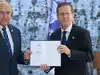
Israel's president Herzog takes first steps on building new government after accepting election results
Israeli President Isaac Herzog has accepted the election results and started consultations with party leaders. Netanyahu's bloc lost its majority in the Knesset, while Arab-led parties made significant gains. The elections commission reported no evidence of fraud, despite Netanyahu's allegations. Herzog emphasized the importance of public trust in the electoral process during his consultations. If coalition talks fail, Israel may face another election in the near future.

Democratic wave in US midterm elections weakens Trump at home, opens a new front for India-US ties in Congress
The recent US midterm elections saw the Democratic Party gain significant power in the Senate and House. This shift reflects widespread dissatisfaction with the current Republican leadership and its policies. President Trump's influence over the Republican Party may decline following this electoral outcome. Key policy decisions regarding foreign affairs, including relations with Iran, could be affected by these changes.

From Iran to trade, how the US midterms impact the rest of the world
US Democrats' recent midterm election victories could influence global relations, especially concerning Iran and Israel. The potential for a peace deal with Iran seems viable as US voters oppose prolonged conflicts. In Ukraine, Democrats may propose increased financial and military aid, which could face delays. Additionally, Asian countries may reconsider investment pledges to avoid tariffs in light of these outcomes.
Iranian officials gloat as US voters deal blow to Donald Trump
Iran's leaders praised the midterm election results in the US, interpreting them as a rejection of Trump's wartime decisions. The Democratic victories were seen as evidence of American frustration with rising gas prices driven by ongoing conflict. Concerns remain in Tehran about potential military actions from Trump following his electoral defeat. Iran is preparing for possible retaliations should hostilities resume in the region.
Iranian officials say midterm results show US voters have rejected Trump's war
Concerns about the war's effects, particularly frustration over rising prices for fuel and other goods in the U.S., helped Democrats win control of both chambers of Congress in Tuesday's vote.

Benjamin Netanyahu's rivals seize on Democrats' sweep of US Congress, seeking his ouster
Benjamin Netanyahu's political opponents see Democrats' midterm election win as a sign of waning US support for Israel. They believe his alliance with Republicans has jeopardised Israel's bipartisan backing historically. Critics like Yair Lapid argue that his continued leadership endangers Israel's security and global standing. The formation of the next government remains uncertain as coalition negotiations unfold.
Israel election results 2026: Herzog accepts Israel poll results, Netanyahu faces coalition test
Israeli President Isaac Herzog has accepted the certified election results and will start consultations with party representatives. Neither Prime Minister Benjamin Netanyahu nor opposition leader Gadi Eisenkot achieved a parliamentary majority in the recent vote, requiring negotiations. Smaller parties are being approached for potential alliances to form a government.
Israel elections 2026 winner: Who is winning the polls and when will final results be announced?
Israel elections results: Israeli Prime Minister Benjamin Netanyahu lost his coalition majority after the recent elections, creating uncertainty for government formation. Other political factions also failed to gain a majority, complicating the situation further. President Isaac Herzog will consult party leaders before selecting a candidate to form a government by November 11. If unsuccessful, another election may occur after 100 days.

US midterm elections: Trump asks ‘Why should we suffer the slings from lunatics like El-Sayed?’ while announcing end to $4 billion Israel aid
US President Donald Trump brought up Michigan Senate candidate Abdul El-Sayed while announcing plans to end billions of dollars in annual military aid to Israel. The remarks, made on Election Day, have drawn attention to the role of Israel policy in the 2026 US midterm elections and the Michigan Senate race.
Could Israel’s Arab parties hold the key to deciding who becomes the next prime minister as Netanyahu faces an election deadlock and rival blocs struggle to secure a governing majority?
Israel's recent inconclusive election has left major political blocs short of a governing majority. Gadi Eisenkot, the opposition leader, may challenge Benjamin Netanyahu with the help of Arab parties. The two main Arab parties, Ra'am and the Joint List, hold a combined 19 seats in the Knesset. While some Jewish opposition figures reject Arab support, Ahmad Tibi has offered assistance for a minority government.

Netanyahu faces uncertain political future in Israel as opposition weighs alliance with Arab parties
Israel held elections, resulting in Prime Minister Netanyahu's bloc securing 53 seats, while the opposition won 48. The historic performance of Arab-led parties, which captured 19 seats, adds complexity to coalition talks. President Isaac Herzog will determine who is tasked with forming the new government amidst these negotiations. Allegations of electoral misconduct were raised by Netanyahu and his supporters against Arab-led parties.

From the sidelines to the ballot box: Palestinian citizens make their vote count in Israel
Palestinian citizens of Israel showed unprecedented political engagement in recent elections, resulting in record-high voter turnout. Ra'am and the Joint List secured a total of 19 seats in the Knesset, significantly surpassing previous elections. This surge came as a response to the concerns over rising violence and neglect in Arab communities. While Netanyahu's government increased anti-Arab rhetoric, many voters sought change through their votes.
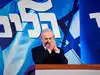
Israel's election results give neither Netanyahu nor the opposition a majority. What lies ahead?
Israel’s election results have left Prime Minister Benjamin Netanyahu’s bloc with 53 seats and the main opposition with 48 in the 120-member Knesset, triggering weeks of coalition negotiations. Arab-led parties won the remaining 19 seats and could become kingmakers, though their potential role has sparked controversy. If parties fail to form a government, Israel could hold another election early next year.

Israel election results leave Netanyahu in limbo, with Arab parties holding the deciding votes
Israel’s election has left Prime Minister Benjamin Netanyahu without a clear path to a governing majority, with his bloc winning 53 seats against 48 for Gadi Eisenkot’s opposition and Arab-led parties holding the remaining 19. The result makes Arab parties potentially decisive in coalition talks, even as Likud alleges without evidence that the vote was “stolen” and authorities investigate separate claims of possible foreign interference.

Benjamin Netanyahu, at risk of losing power, steps up attacks on Israel's Arab parties
Benjamin Netanyahu claimed that the recent high Arab voter turnout was influenced by voter fraud allegations. Arab leaders, including Ahmad Tibi, accused him of inciting fear to undermine election results. Authorities confirmed ongoing investigations into election integrity, but denied systematic compromise. Israeli President Isaac Herzog emphasised the need to avoid tarnishing the entire Arab community involved in the democratic process.

Hundreds protest in Israel's Tel Aviv, Jerusalem and Haifa calling for Jewish-Arab government
Around 300 people protested across major cities in Israel, calling for a Jewish-Arab government and inclusive governance. Demonstrators displayed placards with slogans advocating for freedom and cooperation between communities. As protests unfolded, initial election results indicated a tightly contested political landscape with significant implications. Key opposition leaders expressed intent to form a new government addressing pressing issues and restoring hope.
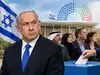
Israel Election Results 2026: Who won? Can Netanyahu form government or will Arab-Jewish alliance take power?
Who won Israel election results 2026: Israel election results 2026 have left Prime Minister Benjamin Netanyahu facing uncertainty over his political future, as his right-wing bloc falls short of the majority needed to form a government. Opposition parties could potentially secure enough support with Arab-led parties to establish an alternative coalition, raising the possibility of a historic Arab-Jewish political alliance. However, ideological differences, disagreements over security policies and coalition negotiations could complicate the process. Here is a look at who won the Israel election, whether Netanyahu can form the next government and what could happen if rival parties fail to reach an agreement.
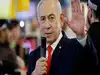
Israeli stocks fall, shekel weakens as Netanyahu bloc beats election forecasts
Israel's election results indicate Prime Minister Netanyahu's right-wing bloc is projected to win 54 seats. While the opposition bloc led by Gadi Eisenkot is expected to secure 47 seats, neither group achieved a parliamentary majority. The shekel weakened significantly, and the Tel Aviv stock index fell following the surprising election results. Analysts predict a challenging path ahead for forming a stable government in Israel.
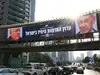
Benjamin Netanyahu, rival Eisenkot face uphill task to secure majority as Israel counts votes
As the election results are being tallied, Benjamin Netanyahu's party is likely to secure the most seats. Gadi Eisenkot, his main competitor, also lacks a clear path to a majority. Votes from Israeli soldiers and diplomats will further delay the final outcome. The President will consult party leaders to find a candidate capable of forming a coalition government.

Israel election sees highest turnout since 1999; exit polls show no clear majority
Israel's general election recorded its highest voter turnout at this hour since 1999, with participation reaching 77.7% by 10 pm, according to official data. However, exit polls suggested that neither Prime Minister Benjamin Netanyahu's bloc nor the opposition had secured the 61 seats needed for a Knesset majority. Arab parties could play a crucial role in coalition negotiations as Netanyahu faces a challenge from Gadi Eisenkot's Yashar Party.
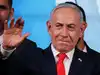
Netanyahu calls for 'strong, right-wing' government, warns against Arab parties as exit polls put rivals in contention
Israeli Prime Minister Benjamin Netanyahu suffered a setback in the national elections, with exit polls suggesting his bloc and opposition leader Gadi Eisenkot's camp each won around 51 seats, while Arab-led parties secured about 18. The results leave the formation of a governing coalition uncertain, with negotiations expected to take weeks. High voter turnout, military conscription exemptions, security concerns and Netanyahu's long tenure emerged as key issues in the election.
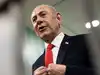
Israel election exit polls: Netanyahu faces rebuke, but no clear winner emerges
Israeli Prime Minister Benjamin Netanyahu faced a setback in the national elections, with exit polls suggesting his bloc won 50 seats against 52-53 for the opposition and 17-18 for Arab-led parties. However, the results point to a potentially inconclusive outcome, with coalition negotiations likely to determine whether Netanyahu remains in power or Israel heads for another election.
Load More

