
INVASIVE RATS

Rats are changing life underwater without entering the sea. A new study explains how
A 2026 study found that invasive rats on tropical islands are affecting marine life by destroying seabird colonies. Researchers discovered that coral reefs near rat-free islands have more tiny fish, while reefs near rat-infested islands have a greater proportion of crabs and other small invertebrates.
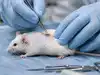
MIT scientists implanted oxygen-producing devices with insulin-making cells in mice and rats; the cells remained active for at least 90 days and helped control blood sugar
A groundbreaking study reveals a new wireless device aimed at improving diabetes treatment by fostering the functionality of insulin-producing cells. This innovative technology enables these cells to effectively produce insulin for as long as 90 days in rodents. Enhancements in waterproofing and electronics have boosted the device's performance, with researchers striving to extend its operational life to two years, paving the way for advanced cellular therapies in diabetes management.

One dead body, fake letters and Hitler got fooled: In 1943, British spies tricked Germany by using an intelligence agent that never existed in reality
A dead man washed ashore in Spain carrying secret military documents that would eventually reach Adolf Hitler. But the officer he appeared to be was entirely fictional, and the letters in his briefcase were part of a carefully planned British intelligence operation. During World War II, British agents gave a homeless Welshman a false identity and used his body to plant misleading invasion plans.
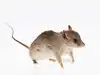
In 2002, black rats were eradicated from Hawaii's Mokoliʻi islet; after just one shearwater chick survived from 1999 to 2001, 126 fledged in 2002 and 185 in 2003
Mokoliʻi was once severely impacted by invasive black rats, which posed major risks to seabird species. In 2002, after dedicated conservation measures led to the removal of these rats, the island saw a stunning revival in wedge-tailed shearwater chick fledging. This successful effort also revitalized the island's native coastal vegetation and supported a diverse range of wildlife, showcasing the critical role of invasive species management in ecological recovery.
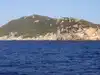
Italy eradicated black rats from Zannone in 2007; nine years later, Scopoli's shearwater nesting pairs had nearly tripled from 27 to 80 on the Mediterranean island
Zannone, a volcanic island near Rome, successfully removed black rats that threatened local seabird populations. Conservationists undertook this effort in 2007 and led to a notable rise in Scopoli's shearwater numbers. Their breeding pairs increased from 27 to 80, showcasing the impact of eradicating invasive species. Despite this success, the ongoing threat of new rat introductions remains a concern.
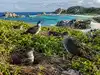
On rat-free D’Arros Island, scientists counted 2,768 wedge-tailed shearwater pairs in 2016, nearly 10 times the 2009 estimate
D'Arros Island in Seychelles has witnessed a remarkable revival of wedge-tailed shearwaters after the successful elimination of invasive rats. From just around 250 breeding pairs in 2009, the population surged to nearly 2,800 pairs by 2021. Researchers emphasize that seabirds are vital for nutrient cycling in ecosystems, yet questions surrounding their ecological impacts and future challenges persist.
- Go To Page 1
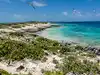
After Klein Curaçao removed goats and feral cats and restored habitat, nesting birds climbed from 140 pairs of one species in 2002 to around 650 across multiple species in 2022 as eight more species began breeding
Klein Curaçao experienced a significant increase in seabird populations after removing invasive goats and cats. The island went from a few breeding pairs to over 650 in just two decades. This recovery highlights the effectiveness of invasive species eradication as a conservation strategy. However, uncontrolled human traffic poses ongoing threats to the island’s ecosystem. Protecting the habitat is essential to maintain the progress made in seabird recovery.
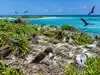
After invasive rodents were cleared from Surprise Island in 2005, three monitored seabird populations grew two to tenfold in the years that followed
Following the eradication of invasive rats in 2005, Surprise Island in New Caledonia witnessed remarkable growth in its seabird populations. Over a sixteen-year research period, scientists documented significant increases in breeding pairs across three of the seven seabird species. This case emphasizes how crucial it is to remove invasive species for effective conservation efforts, reminding us to remain patient as ecosystems heal over time.
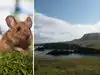
In the 1700s, a shipwreck brought hundreds of rats to an Alaskan island. 11 years after scientists removed them in 2008, seabirds returned and the ecosystem was recovered
Alaska’s Hawadax Island, formerly called Rat Island, has undergone a striking ecological transformation since invasive rats were eradicated in 2008. The rodents had reached the island following an 18th-century shipwreck and disturbed its ecosystem for hundreds of years. Eleven years after their removal, native seabirds began returning, shoreline grazers fell in number and kelp forests started recovering. Researchers say the island’s revival demonstrates how eliminating invasive species can help restore ecosystems damaged over time.
In 2002, crews removed rats from California’s Anacapa Island; 10 years later, rare seabirds were returning and the island’s ecosystem was recovering
Anacapa Island shows significant seabird recovery ten years after rat removal. Ashy storm-petrels now nest there, and Cassin's auklets have expanded their territories. Scripps's murrelet nests have quadrupled, with a fifty percent increase in hatched eggs. Rats previously threatened critical breeding habitats and consumed many eggs. This successful project demonstrates a valuable conservation tool for global island restoration.
In the 1940s, a few snakes arrived in Guam hidden in military cargo; decades later, nine of the island’s 11 native forest bird species were gone
Government bodies are collaborating with local citizen scientists in a proactive approach towards snake removal on Guam. This program's aim is to rejuvenate the island's native bird and reptile populations, which have been severely impacted by the invasive brown treesnake. The project will assess the role of citizen science in wildlife conservation and implement snake barrier strategies, with plans to use toxicants and live lure traps in subsequent efforts.
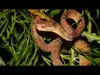
First detected in the 1950s, an invasive snake has multiplied to more than 2 million on a US territory, wiping out native birds and surprisingly causing another species to boom to levels 40 times higher than on surrounding areas
The brown treesnake invasion in Guam has wreaked havoc on local ecosystems, decimating native bird populations and leading to a surge in spider numbers. With the absence of these birds, a new ecological disruption has emerged. Economically, this crisis costs millions annually in power outages, prompting significant government expenditure aimed at snake control.

In 1966, Marlon Brando bought a remote Pacific atoll after filming ‘Mutiny on the Bounty’; today, its protected beaches are a major nesting site where 15,614 green turtle hatchlings were recorded in one season
Marlon Brando bought a Polynesian atoll named Tetiaroa after discovering it while filming Mutiny on the Bounty. More than five decades later, its protected beaches support major green turtle nesting activity, with researchers estimating 15,614 hatchlings during the 2024-25 season alongside ongoing efforts to restore the atoll's wider ecosystem.
In 1955, Hawaiʻi released a predatory snail to control giant African snails; it climbed into native forests and helped wipe out rare tree snails
In Hawaii, the introduction of the rosy wolfsnail was intended to combat a pest, but it drastically backfired. Instead of targeting its intended prey, the predacious snail feasted on native tree snails, leading to significant declines in their populations. This sad turn of events underscores the often unforeseen repercussions that come with biological control measures in delicate ecosystems.
In 1872, a Jamaican planter imported nine mongooses to kill rats in his sugarcane fields; the predators then turned on native birds and reptiles
Jamaican planters introduced mongooses to combat rat infestations destroying sugarcane harvests. These predators, however, did not stop at rats, impacting native wildlife. The unchecked mongoose population caused a tick explosion, harming ecosystems and people. This invasive species later spread to many islands, causing extinctions. The story serves as a warning about unintended ecological consequences.
Britain dropped more than 300 tons of poison across South Georgia to kill every rat; by 2018, over 100,000 hectares were rodent-free
South Georgia island successfully removed its rat population after a massive eradication effort. Helicopters dropped poisoned bait across the rugged terrain over several years. Intensive monitoring confirmed the absence of rodents, marking a significant conservation achievement. Bird populations, including the South Georgia pipit, have since begun to recover. This project demonstrates that damaged ecosystems can heal with dedicated effort and funding.
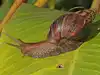
Since 1969, Florida has battled the giant African land snail, smuggled in as exotic pets; the fist-sized invader eats 500 plant species and even the plaster off houses
Giant African land snails, introduced as pets, caused a major Florida crisis. These hermaphroditic snails reproduce prolifically, laying hundreds of eggs. They consume over 500 plant varieties and damage buildings for calcium. The snails also carry a dangerous parasitic nematode, posing health risks. Active quarantines and detector dogs remain necessary for ongoing management.
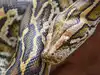
Pet pythons escaped into Florida in the 1970s, spread for decades through the Everglades, then a hurricane carried them south, and now the Key Largo woodrat may disappear
Endangered rodents in Key Largo face a crisis. Invasive Burmese pythons, spreading after Hurricane Irma, are decimating Key Largo woodrat populations. These native creatures build elaborate nests, providing homes for others. The Key Largo cotton mouse, initially resilient, is now also declining. This situation highlights the severe impact of invasive predators on unique island ecosystems.
In 1918, rats escaped from a shipwreck onto a remote island, and more than a century later, scientists discovered an unexpected consequence
A major rodent eradication on Lord Howe Island has revealed a surprising recovery of its insect life. For over a century, rats and mice devastated native species. After their removal, larger invertebrates like cockroaches and woodlice have significantly increased. This shows the hidden impact of invasive rodents and offers valuable lessons for conservation efforts worldwide.
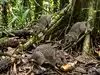
Where native rats disappear, something far more dangerous takes over
Madagascar's unique wildlife faces a threat from invasive black rats. These newcomers are pushing out native tufted-tailed rats from degraded forests. This shift changes the types of diseases present in an area. Scientists are studying these changes to better protect biodiversity and public health. Understanding these ecosystem dynamics is crucial for preventing future outbreaks.
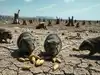
Who Really Destroyed Easter Island’s Forests? The Rats’ Hidden Role Explained
Easter Island's iconic statues hide a forgotten environmental tale. New research reveals Polynesian rats, introduced around 1200 CE, decimated palm seeds, preventing forest regrowth. These rodents, alongside human farming, drastically altered the island's landscape, leading to significant tree loss and ecological shifts. This highlights the profound impact of even small invasive species on fragile ecosystems.
37,000 'alien species' catalogued worldwide, 10% aggressively harmful: UN
From rats, cats and mosquitoes to a rogue's gallery of plants, a major scientific assessment Monday catalogued more than 37,000 alien species worldwide, 10 percent of them classified as aggressively harmful, or "invasive". Humanity's growing population, economic growth, land-use change and climate change, "will increase the frequency and extent of biological invasions and the impacts of invasive alien species", the intergovernmental science advisory panel for the United Nations Convention on Biodiversity, known by its acronym IPBES, warned in a report. mh/rlp/gil
World losing high-stakes fight against alien species
Invasive species that wreck crops, ravage forests, spread disease, and upend ecosystems are spreading ever faster across the globe, and humanity has not been able to stem the tide, a major scientific assessment said Monday.The failure is costing well over $400 billion dollars a year in damages and lost income -- the equivalent to the GDP of Denmark or Thailand -- and that is likely a "gross underestimation", according to the intergovernmental science advisory panel for the UN Convention on Biodiversity (IPBES).
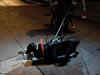
Rat Wars: Washington recruits dogs and cats to battle rat invasion
The delightful weather of June attracts revellers to Washington DC's vibrant Adams Morgan neighbourhood due to its buzzing nightlife and culinary delights. However, there are more than just partygoers benefiting from the pleasant weather and place. Joining the scene are the city's expanding rat population, as they stealthily roam the passages behind the restaurants, bars, and clubs, indulging in the discarded remnants thrown out in the trash.

Contacts of confirmed cases don't need to get tested unless identified as high risk, says government advisory
The ICMR Advisory on Purposive Testing Strategy for COVID-19 also said individuals undertaking inter-state domestic travels do not need to get tested either.

ICMR issues advisory allowing 'testing on demand' for COVID-19
The Indian Council of Medical Research (ICMR) has issued an advisory on COVID-19 testing strategy, allowing 'testing on demand' for individuals but left it to states to modify the approach as per their discretion.

Type 2 diabetes can now be reversed, thanks to the less invasive 'surgery in a pill'
Scientists have developed an effective treatment for reversing diabetes that can offer the same benefits as surgery.
Scientists develop new therapeutic antibody for dog cancers
Tokyo, Aug 26 (IANS) Japanese researchers have developed an antibody that induces immune responses, which significantly suppresses malignant cancers in dogs as well as increases their survival rate.
Cheap drug for common cold can stop spread of cancer
Tokyo, Oct 18 (IANS) A non-steroid, anti-inflammatory drug used for treating common cold has the potential to suppress the spread of bladder cancers as well as reduce their resistance to anti-cancer drugs in mice, Japanese researchers have found.
Load More

