
INSULIN PRODUCING CELLS
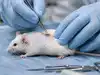
MIT scientists implanted oxygen-producing devices with insulin-making cells in mice and rats; the cells remained active for at least 90 days and helped control blood sugar
A groundbreaking study reveals a new wireless device aimed at improving diabetes treatment by fostering the functionality of insulin-producing cells. This innovative technology enables these cells to effectively produce insulin for as long as 90 days in rodents. Enhancements in waterproofing and electronics have boosted the device's performance, with researchers striving to extend its operational life to two years, paving the way for advanced cellular therapies in diabetes management.

Drug-free treatment for diabetes and obesity may become possible as scientists develop a wireless device that detects high blood sugar levels and removes excess sugar from bloodstream
Diabetes treatment news: A team of scientists from France and Switzerland developed a wireless electronic device to manage diabetes. This device removes excess glucose from the bloodstream, potentially providing a drug-free treatment option. In studies, the device effectively regulated glucose levels in diabetic mice while promoting fat usage for energy. Researchers connected it to a continuous glucose monitor, ensuring automatic activation. Further human trials are necessary to ensure safety and effectiveness in patients.
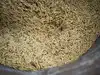
The rice on your plate may affect blood sugar differently than you think — scientists find black and green varieties contain unusual fats and slower-digesting starch
Researchers discovered diverse lipid molecules within Japanese rice grains. Black and green rice varieties showed unique fat profiles and slower starch digestion. These findings suggest different rice types may influence nutritional properties significantly. Scientists identified previously undetected compounds in rice for the first time. Further studies are needed to confirm human health benefits from these rice variations.

Unexplained itching? Harvard-trained gut doctor shares 7 silent signs of pancreatic cancer that you should never ignore
Noticing ongoing health changes can point to serious underlying issues that need medical investigation. For instance, developing diabetes after the age of fifty, experiencing unexplained weight loss, or observing changes in stool colour could be early warning signs of pancreatic cancer, claims Harvard-trained gastroenterologist Dr Saurabh Sethi. Additionally, symptoms like yellowing skin, constant itching, new food intolerances, and back pain should prompt a visit to a healthcare professional for further evaluation.
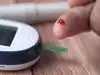
A cure for type-1 diabetes is within reach: Breakthrough stem cell therapies show promise in 2025
Hope is on the horizon for Type-1 diabetes patients. New stem cell therapies are showing remarkable progress. These treatments aim to replace damaged insulin-producing cells. Landmark approvals and advanced trials are underway. Patients may soon achieve insulin independence. This offers a future free from daily injections. Challenges remain, but optimism for a cure is high.

Struggling with Type 2 diabetes? Doctors reveal natural ways to lower insulin
Type 2 diabetes can be managed naturally with a healthy diet and regular exercise. Eating more vegetables, lean protein, and healthy carbs can lower insulin resistance. Exercise like walking or light workouts helps cells use sugar better. A balanced lifestyle may reduce the need for insulin injections, but always follow your doctor’s advice before changing medications.

Can type 1 diabetes be cured? Understanding causes, genetics, ongoing research, and myths about reversal
Type 1 diabetes is a chronic autoimmune condition. It affects millions in the US. The body's immune system destroys insulin-producing cells. So, daily insulin therapy is essential. Researchers are exploring cell-based therapies. They are also working on beta cell protection. Advances in insulin delivery are improving lives. Genetics plays a role in the condition.
Cure for Type 1 diabetes? Cancer research accidentally stumbles upon 90 per cent effective ‘sugar-coating’ method
Mayo Clinic scientists have made a breakthrough in type 1 diabetes treatment. They discovered a 'sugar coating' method. This protects insulin-producing cells from immune attacks. The technique uses sialic acid, inspired by cancer research. Preclinical tests show 90% per cent effectiveness. This could lead to transplants without full immune suppression. Dr. Shapiro hopes for better, long-term solutions for patients.
ET Explains: Cure to Type-1 Diabetes offers hope, but exercise caution
Chinese scientists claim a potential cure for type-1 diabetes through cell transplants, allowing a patient to stop insulin injections for a year. While promising, the breakthrough requires extensive trials to confirm long-term efficacy and accessibility remains a challenge, particularly in India.

Study reveals arthritis drug can suppress progression of type 1 diabetes
The drug was found to safely preserve the body's insulin production and suppress the advancement of type 1 diabetes when initiated within 100 days of diagnosis.

People who've had COVID appear more likely to develop diabetes - here's why that might be
US data, based on records of more than 500,000 people aged under 18 who had COVID, found these young people were more likely to receive a new diabetes diagnosis following their infection, compared to those who didn't have COVID and those who'd had other respiratory infections prior to the pandemic.

New research suggests type 1 diabetes is two different conditions
The research may prove to be a significant step towards finding a cure for some diabetics.

Forget painful needle pricks, our body may cure diabetes itself in future
Researchers have identified cells that can take over functions of damaged or missing insulin-producing cells.

World Health Day: Insufficient sleep and wrong lifestyle choices can push you towards diabetes
Let's dig deeper into factors responsible for this life-long disorder.
Insulin-producing 'mini-stomachs' developed in lab
Scientists have successfully developed 'mini-organs' that produced insulin when transplanted into the mice.
Insulin-producing cells that may treat diabetes created
These unique cells are responsible in producing, storing and secreting insulin - the hormone that regulates levels of glucose in the blood.
Nutech brings in embryonic stem cell therapy for diabetics
Nutech Mediworld has developed a Human Embryonic Stem Cell (HESC) therapy which will go a long way in treating patients with type-II diabetes.
Scientists prevent type I diabetes in mouse model
Current treatments for type I diabetes focus on controlling blood sugar with insulin therapy and must continue throughout a person's life.

Faster way to create insulin-producing cells for diabetics
Researchers from the University of British Columbia developed the method which turns stem cells into insulin-producing cells in about six weeks
Load More


