
HUMAN IMPACT ON WILDLIFE
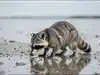
University of Victoria scientists played recordings of barking dogs along Canada's Gulf Islands for a month in 2016. Study revealed raccoons spent 66% less time foraging and fish abundance rose by 81%
Scientists from the University of Victoria carried out an experiment in which barking dog audio was played on the shorelines of British Columbia’s Gulf Islands. The raccoons were seen to decrease their foraging behavior by 66% as a result of this experiment. The populations of red rock crabs, fish and further marine life were seen to increase.
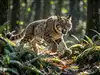
UC Santa Cruz scientists placed hidden speakers near mountain lions' feeding sites in California in 2017. Experiment revealed even recordings of ordinary human conversations can frighten the predators away
The scientists from UC Santa Cruz discovered that mountain lions are scared of humans and frequently leave food when they hear people. A 2017 study in California’s Santa Cruz Mountains confirmed that the mountain lions left food when they heard humans. The animals also shortened their feeding periods. This may cause them to hunt for more deer.
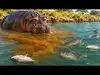
How did hippo dung turn an African river into a death trap for fish? Scientists explain
Hippo dung usually provides nutrients that help support life in African rivers. But scientists found that the situation changes when rivers begin drying up. A 2018 study in Tanzania found that dung accumulating in isolated pools was reducing oxygen levels and making survival difficult for fish.
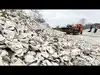
New York used 75,000 recycled oyster shells to solve coastal erosion across 100 acres of harbor; the result transformed degraded seabed into vibrant living reefs
Discarded oyster shells from restaurants in New York City are repurposed to restore underwater reefs. The Billion Oyster Project works with local businesses to collect and reuse shells for marine habitats. By the end of 2025, the project reintroduced over 180 million live oysters into the harbor. Research confirms the positive ecological impact of these restored reefs on marine life diversity.
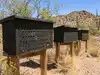
Scientists painted Arizona bee nests black to simulate future warming; after 2 years, survival was lower in warmer nests than in controls
A comprehensive investigation reveals alarming trends regarding the impact of rising temperatures on Arizona’s wild bee populations. As climate change continues to escalate, native bees face increased mortality rates, hampering their reproduction and survival. This decline in bee numbers poses significant threats to agriculture and may result in costlier produce for consumers. To counter these challenges, the study underscores the urgent need for pollinator-friendly initiatives and robust habitat conservation strategies.
US Army set to detonate 5 tons of lead azide in Iowa on Wednesday: What is the compound and what health risks does the explosion pose?
The US Army is preparing to detonate five tons of degraded lead azide in Iowa this week. Concerns have emerged from residents regarding potential health hazards from the operation. Environmental activists have expressed worries about lead dust contamination in air and water sources. Federal authorities have assured precautions and safety measures have been established for the community's protection.
- Go To Page 1
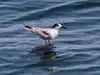
Maryland gave disappearing seabirds a floating wooden island in 2020; six years later, common terns built 376 nests on it and 84 more on nearby restored land
In Maryland, conservationists created a floating island to provide nesting sites for common terns. This solution came as natural nesting areas were disappearing due to climate change effects. In the first breeding season, the platform hosted 23 nests, indicating immediate acceptance by the birds. As populations grew, common terns also began to establish nests on nearby restored habitats.

US: Senate advances sweeping energy legislation in first major action since midterm elections
The Senate voted 73-25 to formally take up the bill, which senators and the president have pushed as a way to meet growing demand for electricity and other forms of energy that now face yearslong delays in getting to the grid.

Environmental groups embrace AI, even as they warn of data center impacts
Environmental organisations are increasingly leveraging artificial intelligence to enhance conservation efforts and analyze ecological data. Many express concerns about the environmental impact caused by data centers that support AI technologies. The energy and water consumption of these centers is projected to double by 2030, raising emissions concerns.
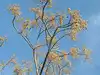
In 1830, chinaberry was introduced to the US as an ornamental tree; it later spread into forests across the South
Chinaberry trees, initially brought to the Southern U.S. in the 1830s for their beauty, have proliferated extensively. These invasive species create dense thickets that block sunlight, hindering the growth of native plants in ecosystems across Georgia and South Carolina. This situation underscores the urgency of managing ornamental plants wisely, emphasizing the need for vigilant monitoring and prompt removal to protect the health of our forests.
With most drug candidates failing in humans, India’s draft rules bet on the wrong science in animal lab testing
Recent draft rules in India threaten advancements in non-animal testing for drug development and safety. The new regulations may prioritize animal testing over innovative human-based methods, despite their proven reliability. Efforts to incorporate non-animal methodologies into national standards have gained support from various government initiatives. Significant funding has been allocated to promote alternative testing methods throughout the country.

"Sink the idea": Mumbai sweats over a sea plan that intitially made waves but is now causing ripples of worry
Light pollution is already recognised as a global environmental and public health concern. Research has linked artificial light to sleep disturbances, mood disorders and higher risks of obesity and cardiovascular diseases in humans. It can also alter plant growth and interfere with animals' natural behaviour and ecological relationships.
Lake Champlain began killing invasive sea lampreys in 1990; native lake trout survival rose 25%, and Atlantic salmon returns to the main lake fishery tripled
Lake Champlain experienced significant ecological harm due to the invasive sea lamprey, which posed a threat to local fish populations. However, an experimental control initiative launched in 1990 led to a marked decrease in lamprey numbers and better fish survival. Economic evaluations revealed positive returns from the control efforts, benefiting both local tourism and fisheries. Ongoing initiatives have further bolstered the lake trout population, restoring its self-sufficiency.
In 1935, Australian government released 2,400 toads to destroy crop-eating beetles. Almost 100 years later, 200 million giant toads threaten 75 wildlife species
Sometimes, a solution can become an impending disaster. In the 1930s, the Australia government released more than 2000 cane toads imported from Hawaii to curb the beetle population which were wreaking havock on the sugarcane crops. To the Aussie people's horror, as the poisonous amphibians multiplied rapidly, with their population estimated to exceed 200 million by 2011. Today, these have emerged as one of the most unstoppable invasive species in Australia, endangering many wildlife and disrupting the bio-diversity.
In East Texas, excluding feral hogs from forest plots for 7 years more than doubled the abundance of woody plant species with large seeds
In the Big Thicket National Preserve, feral hogs significantly disrupt forest ecosystems by consuming seeds and disturbing soil. A study revealed that protecting the area from hogs for seven years led to a rise in large-seeded woody plants. In contrast, hog activity caused soil alterations and less plant coverage, while also contributing to the proliferation of invasive species.
Swedish-born billionaire once bought 400,000 acres of Amazon rainforest, almost the size of Greater London. Locals worry about green colonialism; around 1000 people lost their jobs
Johan Eliasch generated buzz by securing ownership of 400,000 acres of the Amazon rainforest to combat logging threats. However, his move raised concerns about the fate of roughly 1,000 workers employed in the logging industry. Detractors questioned the appropriateness of foreign ownership in Brazilian lands for conservation ideals. Additionally, Eliasch's partnership in founding Cool Earth reflects the ongoing struggle to balance environmental conservation with the livelihoods of nearby communities.
In the 1940s, a California landowner released about three dozen zoo deer at Point Reyes for hunting; by 2002, the two non-native herds had grown to roughly 1,100 animals
Point Reyes National Seashore grapples with the ecological fallout from non-native deer species that were introduced in the 1940s. These deer compete aggressively with native wildlife, disrupting the delicate balance of the ecosystem. To address this, management strategies have been in place since 2007, aimed at curbing the populations of fallow and axis deer.

Queen’s Brian May transformed 157 acres of farmland into wildlife sanctuary with 100,000 trees; now serves as an animal rescue centre
Brian May's vision, dubbed May's Wood, has transformed agricultural fields in Dorset into a vibrant woodland sanctuary, significantly improving local biodiversity. Over ten years, an impressive 100,000 trees and shrubs have been introduced, fostering new wildlife habitats. This initiative not only links existing ecosystems but also promotes the flourishing of varied plant and animal life.
California prepares to add microplastics to Candidate Chemicals List on Oct. 1
California is getting ready to add microplastics to its Candidate Chemicals List, marking another step in the state’s decade-long attempt to address plastic pollution. The designation does not immediately limit products but starts a regulatory process that involves public comment and formal review.
The island that is disappearing: India's race to build a reef before the sea wins
Kariyachalli island is implementing restoration efforts to counteract severe coastal erosion and rising sea levels. This includes the installation of artificial reefs and restoration of coral and seagrass ecosystems. Local residents, including saltpan workers, are also involved and benefiting economically from the conservation project. However, ongoing climate change poses challenges for the success of these restoration efforts.
Humans may be transmitting hepatitis B virus to Amazon monkeys, raising questions about deforestation and disease spillover
A groundbreaking study has revealed the presence of Hepatitis B virus in wild New World primates in the Amazon. This alarming discovery points to a possible spillover from humans to these animals. Researchers found that the infection rates surged in regions marked by high human activity.
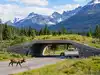
Banff used 6 vegetated overpasses to curb highway wildlife collisions along 82km of road; the result transformed fragmented wilderness into connected animal corridors
Banff used 6 vegetated overpasses to curb highway wildlife collisions along 82km of road. The crossing system includes six overpasses, 38 underpasses and fencing along 82 km of highway. Research found an 80 per cent reduction in wildlife collisions. More than 200,000 crossings by 11 mammal species have been recorded. The project has also influenced wildlife crossing plans in countries including the US, Mongolia, China and Argentina.
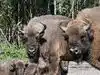
This giant animal once vanished from Britain 6,000 years ago. Now it is back as a ‘forest engineer’
European bison have returned to Britain after being absent for around 6,000 years, with conservationists releasing them into Kent’s woodlands through the Wilder Blean project. The animals are known as ecosystem engineers because their grazing, browsing, bark stripping, trampling and dustbathing reshape woodland habitats. Their natural behaviour can create conditions that benefit plants, insects, birds and other wildlife.
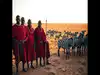
In 2009, Edward Norton ran the New York Marathon to back a Kenya conservation trust; its work now directly protects 283,000 acres of Maasai land
Wildlife protection, however, is rarely straightforward. The 2022 report describes a year marked by severe drought, increased poaching pressure and technical difficulties with monitoring data. It also documents incidents involving elephants, giraffes, lions, zebras and other wildlife, illustrating the complicated human-wildlife relationships that conservation teams must manage.
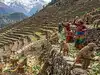
Nepal’s farmers carved farms into the Himalayas, but now this growing problem is destroying their harvests and triggering a wildlife crisis
Nepal’s farmers are increasingly struggling with crop damage caused by rhesus macaques and other wildlife. Rural migration has left fewer people available to protect valuable agricultural harvests, while macaques can consume nearly half of some farmers’ maize crops each year. Changes in habitat and limited natural food sources may be driving the animals towards farmland. Addressing the problem will require solutions that take into account wildlife conservation, agricultural livelihoods and rural migration.

Quote of the day by Steve Irwin, 'Where I live if someone gives you a hug it's from the heart' offers heartfelt timeless lessons on authenticity, kindness, wildlife conservation, emotional openness and why genuine kindness still matters
Quote of the day by Steve Irwin about a hug coming "from the heart" offer a timeless life lesson about kindness, authenticity and human connection. In a world filled with fast communication and carefully managed public images, sincerity remains remarkably powerful. A thoughtful gesture, a supportive presence or a genuine expression of affection can make someone feel seen and valued.
In 2026, scientists tracked 4,581 animals across 37 species; more than 65% changed their behaviour simply when humans were nearby
Researchers tracking 4,581 animals across 37 species in the US found that more than 65% changed how they used space when humans were nearby. The Science study used animal GPS records and anonymised cellphone data during COVID-19 lockdowns to separate the impact of people from permanent landscape changes, finding that species responded differently and were often more sensitive to humans in less-developed areas.

COVID lockdowns accidentally created an experiment scientists could never have deliberately run: What happens when the roads and buildings stay, but the people disappear?
The COVID-19 lockdowns accidentally created a rare real-world experiment for scientists, as human activity suddenly dropped while roads, buildings and cities remained unchanged. Studies from the US and India found that wildlife responded to the change in human presence in different ways, while researchers also recorded sharp drops in urban noise and seismic activity.
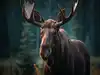
This Animal’s Fierce Response to Humans Defies Norms: Why Moose Demand Massive Personal Space in Alaska
Alaskans are urged to keep a safe distance from moose and never feed them. Feeding these powerful wild animals can lead to aggressive behavior and harm their digestive systems. Collisions with vehicles are also a concern, especially in winter. Coexisting with moose requires understanding their needs and respecting their space for mutual safety.
Load More

