
HAMAS LEADER KILLED

Workable insurance for Israel's future
In the latest Israeli elections, incumbent Prime Minister Benjamin Netanyahu secured fewer parliamentary seats than rival Gadi Eisenkot. The outcome significantly hinges on the backing from Arab-Israeli parties, potentially altering power dynamics. President Isaac Herzog has begun coalition discussions aiming to forge alliances. A cohesive government could foster shared citizenship and enhance Israel's political stability, profoundly influencing future security arrangements and governance.

From the sidelines to the ballot box: Palestinian citizens make their vote count in Israel
Palestinian citizens of Israel showed unprecedented political engagement in recent elections, resulting in record-high voter turnout. Ra'am and the Joint List secured a total of 19 seats in the Knesset, significantly surpassing previous elections. This surge came as a response to the concerns over rising violence and neglect in Arab communities. While Netanyahu's government increased anti-Arab rhetoric, many voters sought change through their votes.
Netanyahu calls for 'strong, right-wing' government, warns against Arab parties as exit polls put rivals in contention
Israeli Prime Minister Benjamin Netanyahu suffered a setback in the national elections, with exit polls suggesting his bloc and opposition leader Gadi Eisenkot's camp each won around 51 seats, while Arab-led parties secured about 18. The results leave the formation of a governing coalition uncertain, with negotiations expected to take weeks. High voter turnout, military conscription exemptions, security concerns and Netanyahu's long tenure emerged as key issues in the election.
Israel election exit polls: Netanyahu faces rebuke, but no clear winner emerges
Israeli Prime Minister Benjamin Netanyahu faced a setback in the national elections, with exit polls suggesting his bloc won 50 seats against 52-53 for the opposition and 17-18 for Arab-led parties. However, the results point to a potentially inconclusive outcome, with coalition negotiations likely to determine whether Netanyahu remains in power or Israel heads for another election.

Voters in Israel are deciding whether to oust Netanyahu after 3 years of war
Israelis are participating in a critical election while grappling with ongoing security issues and political divisions. Prime Minister Benjamin Netanyahu faces opposition from former military chief Gadi Eisenkot, with tight polling results. Voter turnout has reached notable levels, reflecting heightened engagement among citizens. Various parties are vying for influence, while Arab-led groups could play a significant role in government formation.
Benjamin Netanyahu: Israel's longest-serving PM fighting for survival
Prime Minister Benjamin Netanyahu, Israel's consummate political survivor, faces the fight of his life in Tuesday's election as he tries to convince voters he is still the only candidate capable of keeping them safe. In 1996, in the first election after the assassination of peace-negotiating Yitzhak Rabin, Netanyahu pulled off an upset victory by the tiniest of margins and at age 46 became the youngest prime minister in Israeli history.
- Go To Page 1
Israel election: Netanyahu fights for political survival as October 7 fallout looms
Benjamin Netanyahu faces a critical election in Israel after the October 7 attacks by Hamas. Voters are assessing his record and the implications of military actions in Gaza and against Iran. Gadi Eisenkot, his main rival, criticizes Netanyahu's approach and proposes a new direction. Coalition dynamics could shift, particularly if Arab voters mobilize against Netanyahu's party. The outcome will significantly impact Israel's political landscape and international relations.

Israel election 2026: Netanyahu might be finished but his policies toward the Palestinians will largely endure
Israel's elections are anticipated to end Prime Minister Netanyahu's long political career while his settlement policies may endure. Many Israelis support settlement expansion despite deep divisions regarding Netanyahu's leadership and character. Netanyahu's opponents aim to address settler violence yet largely oppose a two-state solution. While new leadership might slow down settlement activities, significant changes seem improbable.
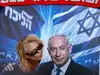
Israel election 2026: Who is challenging Benjamin Netanyahu for power?
Israeli Prime Minister Benjamin Netanyahu's Likud party is losing ground ahead of the upcoming elections. Various opposition figures are attempting to capitalize on public dissatisfaction with Netanyahu's leadership. However, the opposition parties have differing political views, making coalition building difficult. Several smaller parties could play a crucial role in determining government formation outcomes. The election results will significantly influence Israel's political direction and Netanyahu's potential future.

Iranians fear a possible return to all-out war as US and Israeli elections approach
Many residents in Tehran are increasingly anxious as threats of war loom ahead of elections in the U.S. and Israel. Iranian leadership remains defiant despite mounting pressures due to a naval blockade and economic challenges. Citizens are stockpiling food and medicines as a precaution against potential military conflict. Political moderates are calling for negotiations to address the worsening economic situation.

Disenchanted Netanyahu supporters are prize of Israel election campaign
Voters in Dimona have begun campaigning for Gadi Eisenkot, seeking to unseat Prime Minister Benjamin Netanyahu. The upcoming election reflects growing discontent among traditional Likud supporters who are now considering alternatives. Netanyahu faces declining support due to the fallout from Hamas' October 7 attack, as many voters express the need for change. Eisenkot's personal story and security credentials resonate with voters, leading to a competitive race.

As Israeli election nears, campaign turns ugly with AI clips and bereaved families dragged in
In the lead-up to the Israeli elections, candidates engage in personal and inflammatory attacks against each other. AI-generated content amplifies these attacks, creating intense negative portrayals of opponents. Campaigns show desperation as even bereavement becomes fodder for criticism and smear tactics. Targeted candidates report harassment and public pressure to withdraw from the race due to their personal losses.
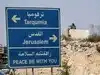
Israel says 'limited counterterrorism' operation launched in Hebron after two IDF soldiers killed in West Bank
Israel Defense Forces initiated a counterterrorism operation in Hebron after two soldiers were killed in a shooting. Israeli Prime Minister Benjamin Netanyahu ordered a lockdown of the area due to increased violence. The operation seeks to dismantle terrorist infrastructure and involves targeted searches and resident screenings. Two terrorists involved in the original attack have already been killed during the operations.
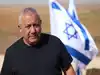
A look at the major candidates in Israel's election Tuesday
Next Tuesday, Israeli citizens will vote for their next prime minister amid a tense political landscape. Benjamin Netanyahu has led Israel for years and faces strong opposition from Gadi Eisenkot. Eisenkot, a former military chief, has positioned himself as a moderate alternative but maintains a focus on security. Other prominent figures include Naftali Bennett, Itamar Ben-Gvir, and Mansour Abbas, each with unique political stances.

In their own words: Israeli politicians' extreme speech surges ahead of elections
Extreme rhetoric has risen under Israeli Prime Minister Benjamin Netanyahu's far-right government as elections approach. A recent report highlights 227 extreme comments made by officials this year, indicating a troubling trend. The language used reflects rising hostility toward Palestinians and Arab citizens, raising concerns about societal implications. Officials have made particularly harsh statements regarding Gaza and its residents.

Iran calls latest US response to proposal 'insufficient'
Iran's Supreme National Security Council head, Mohsen Rezaei, has called the US response to negotiations insufficient. He warned of potential attacks on cables and data centers if fighting escalates further. In Israel, the former attorney general testified against Prime Minister Benjamin Netanyahu in a longstanding corruption trial. Meanwhile, the Iranian-backed Houthis claimed responsibility for recent strikes on Saudi airports amid rising tensions.

Iran-US War: Tehran rejects Donald Trump administration's proposal to end war, threatens major escalation by striking regional data center, cables
Iran-US War latest: The head of Iran’s Supreme National Security Council says Tehran finds the latest response from the United States “insufficient” as efforts at negotiations to end the war and fully open the Strait of Hormuz limp along.

Attacks on Saudi airports claimed by Houthi rebels kill 3 people
Two attacks on Saudi airports by Houthi rebels resulted in three fatalities and numerous injuries on Wednesday. The strikes targeted Abha and Riyadh's King Khalid airports, affecting Moroccan, Algerian, and Sudanese nationals. In response to threats against oil and military assets, Saudi Arabia has bolstered security measures around key locations. Fighting continues in Yemen, particularly in strategic areas near the Bab el-Mandeb strait, with significant casualties reported.

Yemen's government declares a major operation against the Houthis
Yemen's government has launched a military operation against the Iran-backed Houthi rebels near Taiz city. An Israeli airstrike in Gaza killed one Palestinian while wounding several others, amid an increase in such strikes. The Houthis have reportedly targeted Saudi oil facilities in recent conflicts, claiming significant strikes. Meanwhile, Iran has expressed openness to diplomatic solutions to ongoing tensions. The situation remains volatile as regional conflicts continue to escalate.

Trump says latest Iran peace offer not enough, may resume bombing, and other Mideast developments
US President Donald Trump has suggested that following the elections, he might escalate military actions against Iran. In Yemen, clashes have intensified between Iran-aligned Houthi rebels and government forces surrounding Taiz City. Trump also commented on reports that Israeli Prime Minister Benjamin Netanyahu received advance notice of a Hamas attack.

Israel strike kills Hamas armed wing head in North Gaza
An Israeli airstrike on Tuesday killed Izz al-Din Al-Beik, head of Hamas' armed wing in Gaza. His involvement in the October 7, 2023, attacks has been confirmed by officials. The airstrike targeted an apartment building in Gaza City's Nasr neighborhood, which resulted in one additional casualty. Medics also reported a subsequent airstrike near a clinic in Jabalia refugee camp killing another person.

Son of Israel's ambassador to US critically injured in ramming attack in the occupied West Bank
Neria Leiter was gravely injured during a ramming attack near the Beit Horon settlement in the West Bank. His father, Ambassador Yechiel Leiter, expressed that Neria needs a miracle for recovery. The attacker was shot and killed by Israeli forces as he attempted to flee the scene. This incident occurred amid heightened violence in the West Bank following the conflict in Gaza.

Oman postpones regional talks on Strait of Hormuz
Oman postponed a meeting on the Strait of Hormuz amid regional tensions. An Iranian ship was struck near the waterway, killing one person. Houthi rebels launched drones and missiles toward southern Saudi Arabia. An Israeli strike in Gaza killed two individuals, according to reports. Protests erupted in Syria over increased fuel prices.

Israeli attack kills son of Hamas leader negotiating with Trump-led board
An Israeli airstrike killed the son of Hamas' chief negotiator, Khalil Al-Hayya, in Gaza. This incident occurred as Hamas leaders met in Cairo to discuss a truce and the future of Gaza. The killing marks the fourth son of Al-Hayya to die in Israeli attacks, with Hamas accusing Israel of undermining peace efforts.

Benjamin Netanyahu says Israel killed senior Hamas leader Mohammed Sinwar
Prime Minister Benjamin Netanyahu announced the death of senior Hamas leader Mohammed Sinwar, confirming he was killed in a recent Israeli airstrike in the Gaza Strip. Addressing parliament, Netanyahu included Mohammed, brother of Yahya Sinwar, the mastermind behind the October 7th attack, in a list of Hamas leaders eliminated by Israeli forces. Yahya Sinwar was killed last year.

Who is Mohammed Sinwar, Hamas leader Israel says it killed?
Israeli Prime Minister Benjamin Netanyahu announced the death of Mohammed Sinwar, a key Hamas military leader, believed to be killed in a recent Gaza strike. While Hamas hasn't confirmed, Sinwar's death marks a significant blow to the group's leadership, potentially complicating hostage release negotiations and ceasefire efforts. He was involved in planning attacks and knew about the October 7th attack.
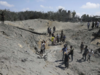
Mohammed Deif killed: List of Palestinian leaders assassinated by Israel
Mohammed Deif Assasinated: The Israeli military confirmed the killing of Hamas' military wing leader, Mohammed Deif, in an airstrike. Deif was crucial in the Oct. 7 attack on Israel, leading to the ongoing Gaza conflict. This continues Israel's history of targeting key Hamas figures like Yahya Ayyash, Khaled Meshaal, and Sheikh Ahmed Yassin.
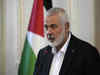
Tough-talking Haniyeh was seen as the more moderate face of Hamas
Haniyeh, a Sunni Muslim, had a major hand building up Hamas' fighting capacity, partly by nurturing ties with Shi'ite Muslim Iran, which makes no secret of its support for the group. During the decade in which Haniyeh was Hamas' top leader in Gaza, Israel accused his leadership team of helping to divert humanitarian aid to the group's military wing.
Load More


