
FISH
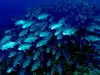
Cornell scientists studied how 2,839 fish species swim together; their analysis found group swimming evolved around 60 times but disappeared about 320 times
A comprehensive study on fish collective movement has found that this behavior has independently evolved across numerous species over time. Surprisingly, about 79 percent of fish utilize collective movement, while others favor solitary habits. However, certain species have abandoned collective traits, likely due to the challenges of heightened food competition and disease risks. This research highlights the intricate evolution of social behavior within marine ecosystems.
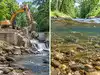
Illinois removed a dam from Blackberry Creek in 2013; fish began spawning within two weeks, and the former impoundment’s recorded species count rose from 8 to 25
In 2013, the dismantling of the Blackberry Creek dam sparked a significant ecological shift, enabling fish to migrate freely for the first time in 180 years. Following this, the diversity of fish species surged from 8 to an impressive 25. While some species returned quickly, others were still missing post-survey.
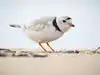
Michigan spent years removing invasive plants from Wilderness State Park beaches starting in 2012; by 2016, endangered piping plovers were nesting there again
At Waugoshance Point, a conservation project was launched to restore the nesting habitats for piping plovers by eliminating invasive plant species. Since its inception in 2012, teams have consistently monitored beach vegetation and nesting conditions. In a remarkable achievement by 2016, a pair of endangered piping plovers successfully nested here.

She grew up fishing salmon with her father, tells Washington ‘to hell with politics’ and just defeated a two-term Republican senator. Who is Mary Peltola?
Mary Peltola's Senate election win in Alaska signifies a pivotal moment for the Democratic Party. Not only did she secure the highest vote percentage, but she also makes history as the first Alaska Native to hold the Senate position. With a focus on rural Alaskan struggles—ranging from economic difficulties to the issues of dwindling fish stocks—Peltola aims to elevate her community's needs while combatting corporate influence on governance.

A hidden chemical in your car tires is killing the fish. Are you willing to pay extra for ‘salmon-safe’ tires?
A recent study explores consumer willingness to pay more for tires that are safer for salmon. Researchers found that 50% of participants would pay an average of 10% more for these eco-friendly tires. Potential environmentally friendly tire formulations are under investigation to replace the harmful chemical 6PPD. The findings suggest a growing market for eco-labeled products among consumers in certain states.

KiteFishAI launches NanoI1, an open-weight AI model for specialised applications
KiteFishAI has introduced NanoI1, targeting developers and enterprises who want to create specialized AI applications. This model is intended to support purpose-built applications instead of competing with large language models. The company highlights the importance of smaller models for businesses in regulated industries, where security and compliance are critical.
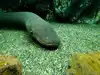
Over 100 electric eels gathered in an Amazon lake. Scientists soon witnessed an extraordinary group hunting strategy
More than 100 Volta's electric eels were observed gathering in a small lake in Brazil's Amazon basin and hunting together. Researchers documented how the fish herded thousands of smaller fish into tightly packed groups before smaller teams delivered synchronised electric attacks, challenging the belief that electric eels hunt alone.
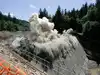
Illinois removed dams from Brewster Creek in 2006; by 2014, surveys had found 14 fish species not previously recorded in the restored stretch, including catfish
Since the dismantling of several dams in 2006, Brewster Creek has experienced remarkable ecological transformation. The removal of barriers allowed fish species like smallmouth bass and quillback to flourish in the area, leading to a notable increase in overall fish diversity, with 14 new species discovered. Moreover, the ongoing research highlighted natural channel evolution and sedimentary stability, making Brewster Creek a pivotal reference for future ecological restoration initiatives.
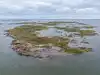
Most of Louisiana's Rabbit Island was flooded in 2020; after crews restored 102 acres of nesting habitat, birds built more than 11,600 nests in the first season
Rabbit Island, located in southwestern Louisiana, is undergoing an extensive restoration project aimed at reviving habitats for colonial waterbirds. Initiated in 2020, the initiative tackles erosion and habitat loss brought on by various challenges. The first season saw over 11,600 nests discovered, exceeding expectations considerably. To further combat erosion, limestone rock baskets were installed, enhancing the area's viability for wildlife.
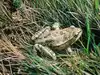
Yosemite had lost its red-legged frogs; in 2016, teams began restoring the population, and 10 years later, the program reached 10,000 releases as recovery continues
The successful reintroduction of California red-legged frogs to Yosemite marks a significant achievement in conservation efforts that began in 2016. With the first breeding in 2019 and the special release of the 10,000th frog, affectionately named 'Twain', these frogs now thrive in the valley, representing generations of recovery. Future plans include raising and releasing additional juveniles to ensure continued population growth within this iconic national park.
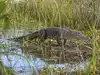
More than 5,500 volunteers classified Florida wildlife photos; over 1 million classifications recorded 43 species across 14 management areas
In the Everglades, thousands of enthusiastic volunteers have played a pivotal role in wildlife identification through camera trap images. So far, the initiative has meticulously cataloged over 100,000 photos, revealing 43 distinct species across various Wildlife Management Areas. This valuable data aids biologists in understanding animal populations and monitoring diseases in indigenous species.
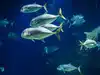
In 2024, 1,865 volunteers reviewed underwater videos; cameras recorded 4 fish species missed by traditional traps
The Where's Walleye? project showcases how researchers leveraged traditional fish traps and high-tech underwater cameras to refine fish survey methods. With assistance from 1,865 citizen scientists, the project analyzed video footage to identify diverse fish species. Remarkably, the underwater cameras uncovered four species previously missed by conventional techniques, enhancing our comprehension of aquatic ecosystems and aiding in rare species monitoring.
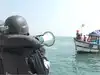
Indian Navy conducts fifth edition of pan-India coastal defence exercise 'Sea Vigil-26'
The Indian Navy is set to execute the fifth iteration of the Coastal Defence Exercise 'Sea Vigil-26' this month. This crucial exercise aims to assess the effectiveness of coastal security measures while pinpointing weaknesses in the current defence systems. It brings together personnel from various maritime agencies to evaluate readiness along the coast. Later, a tactical simulation will mirror possible security attacks, reinforcing India's maritime security against emerging threats.
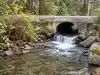
California replaced a fish-blocking pipe on Fort Goff Creek with a bridge in 2014; later monitoring found 64 Chinook salmon nests upstream
In California, the removal of the culvert on Fort Goff Creek has significantly enhanced fish passage, particularly for salmon. Completed in 2014, a new bridge now connects fish to breeding grounds that were previously inaccessible. Biologists found 64 nests of Chinook salmon in this newly opened habitat, highlighting the importance of addressing culverts nationwide to improve aquatic ecosystems and connectivity.
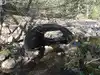
In 2017, California replaced a fish-blocking road crossing on Upper Green Valley Creek; surveys later found 136 young steelhead upstream of the former barrier
In 2017, engineers undertook a significant project to replace an old culvert that hindered fish migration in Upper Green Valley Creek. The successful replacement is evidenced by the discovery of 136 young steelhead fish in previously unreachable habitats. Researchers are actively studying the long-term effects on these fish populations and their growth.
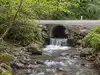
For 20 years, a road culvert blocked fish in California’s Sharber-Peckham Creek; crews replaced it in 2016, and 2017 monitoring found 740 juvenile coho upstream
In Northern California, a four-foot metal pipe had hindered salmon migration for two decades. After its replacement, juvenile coho salmon gained access to essential spawning habitats. This case underscores the critical situation of culverts obstructing fish passage nationwide. Recent research has identified the need to evaluate these structures for effective prioritization in upgrades. Continuous investment, study, and conservation efforts are essential for sustaining fish habitats.
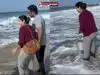
Delhi couple buys 5 kg of fish from fishermen. What they did next went viral: ‘The ocean didn’t need your charity…'
An unusual act of kindness by a Delhi-based couple has sparked a heated debate across social media. In a post on X, a user named Andry Dariz recounted how the couple bought 5 kg of live fish from local fishermen at Dhanushkodi beach and subsequently released them into the sea. While the gesture was seemingly intended as an act of compassion towards marine life, it also prompted differing reactions online.
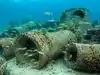
In 2023, North Carolina sank 1,700 tons of concrete pipes and manholes at AR-305; the material added fish habitat off the coast of Beaufort
In July 2023, the North Carolina Division of Marine Fisheries implemented an innovative project by submerging recycled concrete pipes and manholes as artificial reefs about 28 miles off Beaufort. This initiative has successfully lured both fish and divers, showcasing the potential of reclaimed materials to enhance marine habitats. However, while artificial reefs show promise, they are not a complete fix for diminishing fish habitats.
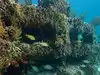
An artificial reef can do more than attract fish: How a 125-acre underwater project could reshape North Carolina's coastal ecosystems
An artificial reef will be constructed in North Carolina's Albemarle Sound, scheduled for development soon. This project aims to create shelter, feeding opportunities, and spawning habitats for local marine life. By utilizing materials from the Alligator River Bridge, the reef will cover an area of 125 acres. Although the initiative will increase habitat availability, its effectiveness in boosting fish populations is uncertain.
Load More


