
FISH SEED DISPERSAL

How can fish grow a forest? Scientists found nearly 700,000 seeds hiding inside them
Scientists studying fruit-eating fish in the Peruvian Amazon found nearly 700,000 intact seeds inside 230 fish. A 2011 study revealed that gamitana fish, close relatives of piranhas, could carry seeds more than five kilometres across flooded forests.
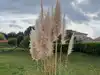
In 1848, California nursery operators brought pampas grass to Santa Barbara; it spread across the state, and one stand can release millions of seeds each year
Pampas grass made its debut in California in 1848, admired for its striking appearance as an ornamental plant. However, its vigorous reproduction meant it quickly spread beyond gardens into local ecosystems, posing a threat to native plants. The struggle to control existing pampas grass populations highlights the challenges of managing invasive species, reminding us of the unintended consequences that can arise from introducing non-native flora.

In the 1940s, a few snakes arrived in Guam hidden in military cargo; decades later, nine of the island’s 11 native forest bird species were gone
Government bodies are collaborating with local citizen scientists in a proactive approach towards snake removal on Guam. This program's aim is to rejuvenate the island's native bird and reptile populations, which have been severely impacted by the invasive brown treesnake. The project will assess the role of citizen science in wildlife conservation and implement snake barrier strategies, with plans to use toxicants and live lure traps in subsequent efforts.
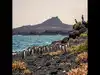
Galapagos Islands' unique animal, plants served as basis for Charles Darwin's theory of evolution, in 2026 El Nino threatens to wipe out concentration of species not found elsewhere on Earth
Charles Darwin Foundation data shows that aftermath of the 1998 El Nino — one of the most powerful and destructive cycles — only 400 of the 1,300 existing Galapagos penguins remained.
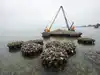
In 1997, US Army began Maryland's oyster restoration partnership in Chesapeake Bay. 24 years later, about 600 acres of new oyster bars had been created across Maryland
Maryland partnership formally began with the project cooperation agreement executed in February 1997. Restoration sites eventually included Kedges Strait and Eastern Bay, as well as portions of the Chester, Choptank, Magothy, Patuxent, Severn and Tred Avon rivers.

Why Javelina Keep Showing Up in Arizona Yards… And What’s Really Bringing Them In
Javelina, once desert dwellers, are increasingly venturing into Arizona neighborhoods due to urban expansion fragmenting their habitats. Easily accessible food sources like pet food, fallen fruit, and open trash cans in yards are drawing them closer, leading to property damage and potential disease transmission to pets. Managing these interactions requires removing attractants and implementing barriers.
- Go To Page 1

From Hills to Holyland: Northeast India's Bnei Menashe see long-delayed journey out of conflict to Israel
The Bnei Menashe community, claiming descent from a lost biblical tribe, is undergoing interviews for emigration to Israel. This initiative offers hope to many facing hardship in Manipur and Mizoram. Israel plans to welcome thousands more by 2030. The process involves rabbinical judges and government officials, marking a significant step for these aspiring migrants.

These mid-cap stocks with ‘Strong Buy’ & ‘Buy’ recos can rally over 25%, according to analysts
Can we say valuations are currently fairly priced in the mid-cap segment? The answer is no. Does it mean that you should avoid the segment altogether? The answer is again no. Over the next few quarters, stock price trends and the absolute value of stock prices will be impacted by the fundamentals of the sector as well as valuations. And the fundamentals are currently improving for some industries.

Like a lost love returning after decades, Wular Lake’s 'miraculous' lotus bloom leaves Kashmir teary-eyed
After nearly three decades, Wular Lake in north Kashmir witnesses the return of pink lotus flowers, a testament to successful conservation efforts following the devastating 1992 floods. The Wular Conservation and Management Authority's desilting drive, including the use of Cutter Suction Dredgers, revitalized the lake, leading to the resurgence of lotus beds and attracting rare migratory birds.

Why you should give the yellow pea a chance
Even among pulses, the vast protein rich and flatulent family it falls in, dried yellow peas rarely receive the attention given to other beans and lentils, or even fresh or frozen green peas.

How refugees from Afghanistan, Syria and Myanmar are sustained by their food memories in Delhi
ILHAM Afghan Cuisine, an initiative for Afghan refugee single mothers, is not just a source of livelihood, but rather a means of keeping their food memories alive.

Why India has a big problem, and it’s got to do with small cities
India has a serious imbalance in its economic geography, with too few second cities, growing too slowly. It's like a time bomb that's ticking away.

Afzal Guru hanging: 3 killed in anti-hanging protests in curfewed Kashmir
While Srinagar is calm, protests have been taking place in Baramulla, parts of Rafiabad, Kupwara besides south Kashmir townships of Kulgam and Pulwama.
Load More

