
ECOLOGICAL RESTORATION

Coal gasification projects may save India Rs 1.5 lakh crore in forex over 5-7 years: Coal Ministry Secretary
Coal gasification projects are expected to provide significant foreign exchange savings for India by substituting imports. The Coal Ministry has initiated financial incentives targeted towards promoting coal gasification. Responsible mining practices are emphasized to encourage sustainable development and investment in the coal sector.

With most drug candidates failing in humans, India’s draft rules bet on the wrong science in animal lab testing
Recent draft rules in India threaten advancements in non-animal testing for drug development and safety. The new regulations may prioritize animal testing over innovative human-based methods, despite their proven reliability. Efforts to incorporate non-animal methodologies into national standards have gained support from various government initiatives. Significant funding has been allocated to promote alternative testing methods throughout the country.
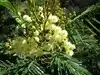
Hawaii introduced black wattle as a forestry tree; it escaped cultivation and now chokes about 3,000 acres of Maui pasture, gulches, and empty lots
Black wattle has become a formidable invasive force in Hawaii, spreading rapidly beyond its initial planting zones into the island's treasured native ecosystems. This explosive growth is transforming open pastures into impenetrable thickets, effectively pushing out native plant species. With seeds that can lie dormant for extended periods, the challenge of management and restoration is heightened.
Sounds of sustainability: Yamaha’s test of whether instrument-making and forest conservation can strike a chord
Yamaha's environmental initiative is dedicated to conserving and cultivating forests used in musical instrument production, with a specific focus on preserving Indian rosewood.
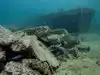
In 2015, Maryland placed 5 barge loads of concrete rubble around a sunken barge off Taylor’s Island; the debris was intended to add height, surface area, and shelter for fish
Off the coast of Taylor's Island, Maryland, a barge has sunk, transforming the seafloor into a barren landscape. In response, Maryland's Artificial Reef Program has strategically placed concrete rubble to stimulate marine life and fish populations. Initial research suggests a notable uptick in local flounder fishing, though continued research will be crucial to assess the long-term benefits and sustainability of this artificial reef initiative.
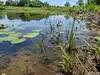
Scientists set up 45 artificial ponds near St. Louis and studied them for 7 years; even when ponds got the same species, the order they arrived changed the outcome
A recent examination of 45 plastic cattle tanks has shed light on the significant role that species arrival order plays in biodiversity. Tanks with low nutrients exhibited similar communities irrespective of this order, while high nutrient tanks presented diverse variations. This phenomenon, termed the priority effect, has implications for community stability and ecosystem restoration efforts, cautioning restoration ecologists against presuming automatic self-repair in nutrient-rich habitats.
- Go To Page 1
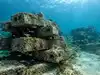
In 2026, Texas deployed 400 tons of concrete railroad ties off Port O’Connor; the material was arranged into two piles at an artificial reef site
In April 2026, Texas took a significant step by deploying 400 tonnes of concrete railroad ties to form two artificial reef piles. This project is designed to transform the flat bottom of the Gulf into a thriving habitat for marine life. Researchers are closely examining how these artificial reefs influence fish communities, with valid concerns about potential fish migration from other regions.

Who is Dr M. V. Ramana Murthy? An IIT Madras alumnus honoured after a new electric ray species discovered deep in the Arabian Sea has been named after him
New electric ray species found: Dr M. V. Ramana Murthy, Mission Director of India's Deep Ocean Mission, has been honoured by the naming of a newly discovered electric ray after him. An IIT Madras-trained ocean engineer, he has worked in coastal research, desalination, marine technology and hazard management, including as director of the National Centre for Coastal Research.
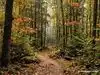
They cleared invasive shrubs from a Pennsylvania forest; What grew back surprised researchers
Researchers cleared 18 invasive shrub species from a Pennsylvania woodland and followed it for seven years. Native plants and young trees returned more strongly than expected, even beating plots with few invasive shrubs. The results suggest that controlling invasive plants can sometimes let a forest’s own native vegetation recover without extensive replanting.

India International Centre (IIC) to host its annual festival from Oct 29-November 03
Join us from October 29 to November 3, 2026, for the India International Centre's celebrated annual festival. This year's theme, Prakriti: Ecology and Existence, invites reflection on the intricate bond between humanity and nature. The festival will commence with a notable exhibition and keynote speech, alongside an engaging film series titled 'Stories on Screen,' which presents ecological narratives from diverse periods and locations, highlighting urgent environmental discussions.

Apple invests in 14,000 acres of California redwood forest; How tech giant is helping restore wildlife habitats
Apple has collaborated with The Conservation Fund to revitalise 14,000 acres of coastal redwood forest in California. This ambitious project aims to safeguard ecosystems while benefiting wildlife, enhancing carbon storage, and enriching local communities. It plays a vital role in Apple’s commitment to achieving carbon neutrality by 2030, as the ongoing monitoring of forest growth is intended to generate carbon credits, aiding in the reduction of emissions.
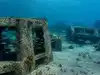
In late 2020, New Jersey crews placed nearly 6,000 tons of retired container-inspection concrete forms on the seafloor off Manasquan, adding about 1.25 acres of reef habitat
In a significant environmental initiative, New Jersey's Bureau of Marine Fisheries has installed approximately 6,000 tons of concrete reef structures as part of the Maher Terminals Reef project, located two miles offshore. While these artificial reefs are designed to bolster marine habitats, scientists continue to debate their effect on local fish populations. Continuous monitoring is essential to understand the ecological implications and ensure optimal marine management practices.
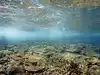
In 2018, Delaware dug about 1 million tons of rock from a shipping channel and put it underwater instead of discarding it; The new reefs became rich blue-mussel habitat
Delaware has successfully transformed dredged rock from a shipping channel into underwater habitats for marine species. This innovative approach supports the growth of blue mussels and enhances local ecosystems. The artificial reefs also contribute to recreational fishing and diving opportunities for the public. By recycling natural materials, the state has addressed habitat scarcity in soft-bottom marine environments. Overall, this initiative exemplifies effective environmental management through infrastructure projects.
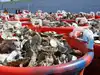
Since 2010, Maryland has reclaimed 308,500 bushels of discarded oyster shells for Chesapeake Bay restoration; its wider effort has planted billions of oysters
Maryland has repurposed over 300,000 bushels of used oyster shells since 2010, creating essential habitats for the growth of young oysters into thriving reefs. This project aims to restore the dwindling oyster population in Chesapeake Bay while enhancing critical underwater environments. To ensure the sustainability of these efforts, ongoing monitoring and protection of these habitats are paramount within the larger context of regional restoration actions.
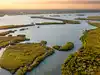
In 2004, Florida researchers attached 36 recycled oyster shells to each reef mat; restored Mosquito Lagoon reefs later reached about 1,000 live oysters per m²
Researchers along Florida’s Atlantic coast are using recycled oyster shells to restore damaged oyster habitats. Restoration mats that include used shells are designed to create surfaces for juvenile oysters to settle. Within years, these restored areas achieved densities akin to natural reefs, indicating successful recovery efforts. The benefits extend beyond oysters, aiding in water purification and providing habitats for other marine life.
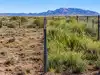
Scientists kept rabbits out of experimental plots in New Mexico's desert for 50 years; by 1989, one grass had 30 times more basal area in protected plots
Conducted in the arid expanses of New Mexico's Chihuahuan Desert, a pivotal study investigated the impact of rabbit exclusion on local vegetation, primarily focusing on spike dropseed grass. Over the years, researchers documented significant variations in grass growth in relation to animal presence, revealing the challenges of restoring dryland ecosystems.
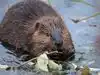
Beavers in Switzerland built dams in 16 streams that were disturbed by humans. Their hard work slowed down water and helped restore aquatic wildlife
Beavers are transforming human-altered streams across Switzerland by building dams that create new habitats for aquatic wildlife. A study of 16 streams found that their activity boosted biodiversity, benefiting species such as amphibians, dragonflies, aquatic plants and plankton. However, the gains varied depending on land use and local conditions, highlighting how beavers could help restore damaged waterways beyond natural wilderness areas.
Connecticut began clearing an invasive reed from Highstead Pond in 2012; 98% was killed, and by 2017 native plant richness around the pond had increased 39%
Highstead Preserve embarked on an ambitious multi-year project aimed at controlling the invasive common reed to foster the growth of native species. Initiated in 2012, it spanned until 2017, showcasing impressive outcomes, including a staggering 98 per cent reduction in Phragmites and enhanced biodiversity. Employing diverse herbicide techniques, the hand-wiping method emerged as the most efficient.
A Tanzanian dam cut a waterfall’s flow by 90%; Engineers built sprinklers to save the coin-sized toad that lived there
A Tanzanian dam cut a waterfall’s flow by 90%, threatening a toad that lived on five acres. Sprinklers, a 499-toad zoo rescue and a 2012 release followed, yet a fungus still wiped it out in the wild. A 2024 study named the culprit, and the species’ survival now rests on pipes, footbaths and small grants.
Apple Fellow Phil Schiller and his wife donate $25 million to help protect coral reefs across the world; How their gift will fund new research
Phil Schiller and Kim Gassett-Schiller announced a $25 million donation to the Woods Hole Oceanographic Institution. This funding aims to establish the Schiller Centre for Reef Solutions, which focuses on protecting coral reefs. Researchers will investigate reef health and test practical interventions for better conservation results. The donation addresses the urgent environmental pressures facing coral ecosystems today.

Leonardo DiCaprio bought 104-acre island for $1.75 million to create an ecological paradise; Why his Belize project remained uncertain
Leonardo DiCaprio's vision for Blackadore Caye focuses on intertwining luxurious hospitality with environmental recovery. Facing scrutiny over ecological sustainability and the project’s scale, the proposal aimed to integrate extensive conservation areas alongside habitat restoration efforts. However, construction delays have cast doubt on its viability, leaving the equilibrium between tourism growth and nature conservation at Blackadore Caye hanging in the balance.
Ted Turner was 10 when National Geographic inspired him to save bison. He has now protected over 2 million acres of land, restored native and endangered wildlife
Ted Turner, motivated by a childhood encounter with a National Geographic article, embarked on his passionate journey of conservation by starting a bison herd. As he built a formidable media empire, he expanded his vision by acquiring extensive ranchlands for wildlife preservation and ecosystem rejuvenation. Turner's legacy showcases his dedication to eco-capitalism, while he actively contributed to the survival of numerous endangered species and habitat restoration across diverse environments.
Researchers removed invasive Japanese stiltgrass from 8 Indiana forest sites; native plant diversity rose 24%, while herbicide-treated plots had 123% greater tree seedling density than controls
The spread of Japanese stiltgrass across eastern forests poses a significant threat to the diversity of native plants. Research indicates that this invasive grass suppresses the growth of native seedlings and wildflowers, particularly in shaded environments. Ecologists have observed a notable recovery in native plant diversity following stiltgrass removal efforts.
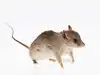
In 2002, black rats were eradicated from Hawaii's Mokoliʻi islet; after just one shearwater chick survived from 1999 to 2001, 126 fledged in 2002 and 185 in 2003
Mokoliʻi was once severely impacted by invasive black rats, which posed major risks to seabird species. In 2002, after dedicated conservation measures led to the removal of these rats, the island saw a stunning revival in wedge-tailed shearwater chick fledging. This successful effort also revitalized the island's native coastal vegetation and supported a diverse range of wildlife, showcasing the critical role of invasive species management in ecological recovery.
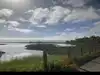
California used more than 2.5 million cubic yards of dredged material to rebuild Sonoma Baylands; The project restored 322 acres of tidal wetland habitat
The Sonoma Baylands initiative has harnessed dredged materials to rejuvenate California's tidal wetland habitats. Each year, excessive sediment is extracted to sustain navigation channels. With innovative engineering, previously subsided agricultural land has been raised to promote rapid growth of tidal marsh flora. This thriving restoration project not only fosters critical habitats for various species, including endangered ones, but also exemplifies a successful integration of sediment management and coastal ecosystem rehabilitation.
San Francisco Bay cut invasive cordgrass by nearly 98%; native Ridgway’s rails then expanded into 4 former salt ponds as restored marsh habitat returned
The San Francisco Bay has seen remarkable advancements in wetland restoration, benefiting the Ridgway's rail population significantly. While initial attempts to eradicate invasive cordgrass had adverse effects on the rail, the project has effectively reestablished native plant species across vast areas. This ongoing restoration highlights how public funding plays a vital role in environmental conservation. Continuous observation and management remain crucial as the marsh works to revitalize its ecosystem.
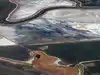
San Francisco Bay cut invasive cordgrass by more than 97%; native Ridgway’s rails later expanded into restored former salt ponds as marsh habitat returned
In a promising turn of events, restoration efforts in San Francisco Bay have notably decreased invasive cordgrass numbers, allowing the Ridgway's rail to flourish in revitalized salt ponds. By adjusting their strategies to eliminate invasive species while promoting native varieties, restoration teams aim to enhance these vital coastal wetlands that play a key role in flood protection as rising sea levels threaten California's shores.
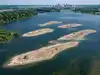
In 2022, contractors began using 400,000 cubic yards of Mississippi River sand to build six islands at Minnesota’s Pigs Eye Lake; the project covers more than 40 acres and aims to protect surrounding wetlands
Contractors began constructing new islands in Pigs Eye Lake in June 2022 using sand from the Mississippi River. This project aims to restore habitat within the local ecosystem over more than 40 acres. The islands will serve as breakwaters to limit erosion caused by wind and waves. A citizens' group expressed concerns regarding investment disparities in nearby neighborhoods.

California cleared invasive plants from three Camp Pendleton breeding areas; willow flycatchers resettled at those sites within 5–7 years
In 2023, a lone Southwestern Willow Flycatcher was spotted at Marine Corps Base Camp Pendleton, a notable event after an absence since 2012 due to a drastic decline in its population. While habitat restoration initiatives show potential, challenges like invasive species and environmental pressures persist. Although some regions have experienced successful recovery, ongoing management and favorable conditions remain essential for the future of this vulnerable species.
Load More

