



Listen to this article in summarized format
×
Subscribe to

Unlock AI Briefing and Premium Content
New Year Offer 24 Hours Left
Subscribe NowAlready a member? Sign In
What's Included
- Exclusive Stories
- Daily ePaper Access
- Smart Market Tools
- Curated Investment Ideas
- Ad-lite Experience
Subscription

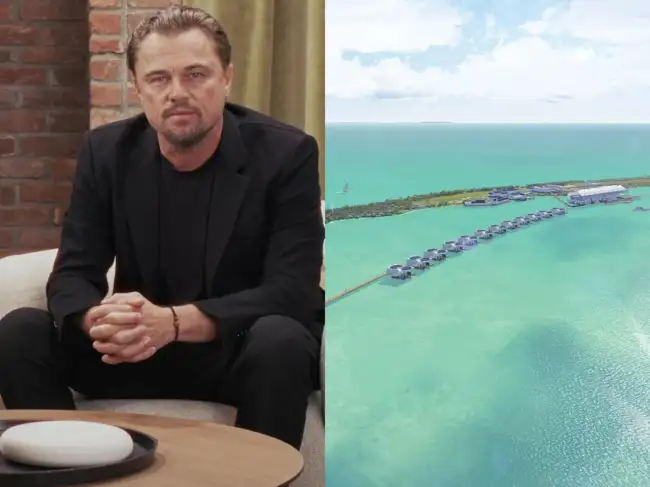
Once upon a time, Leonardo DiCaprio imagined that a privately owned island in Belize could be turned into a luxury destination that would help repair damaged coastal ecosystems. Nearly two decades after the actor reportedly purchased the 104-acre property for $1.75 million, however, a crucial question remains: has the ambitious project delivered the environmental recovery it promised? Known as Blackadore Caye, the island became the centre of a plan combining high-end tourism with habitat restoration. But delays, changes to the proposed design and concerns from local conservationists have complicated the vision.
Mangroves and other coastal habitats store carbon and may help safeguard communities from storms and flooding, NOAA Fisheries says. Restoring these ecosystems can therefore offer benefits extending beyond the island itself. But promising to restore a habitat is not the same as demonstrating that it has recovered. Evidence such as mangrove survival rates, changes in shoreline erosion and monitoring of marine wildlife would help establish the project's environmental impact.
The plans subsequently changed. In May 2016, Belize's Channel 5 News reported that the project had been substantially downsized following consultations with residents concerned about its environmental impact. The debate highlighted a challenge facing luxury eco-tourism: a development marketed as environmentally beneficial must also demonstrate that its construction will not undermine the ecosystems and livelihoods it intends to protect.
Blackadore Caye reminds us that we need to measure environmental ambitions against results. DiCaprio’s plan included an attractive concept: using tourism to fund ecological repair. Whether the island ultimately fulfils that promise depends on evidence of habitat recovery, responsible development and benefits for the surrounding community.
How Leonardo DiCaprio Planned To Restore The Island
DiCaprio and hotelier Jeff Gram reportedly purchased Blackadore Caye in 2005. The actor later partnered with developer Paul Scialla to develop the concept, called Blackadore Caye: A Restorative Island. The proposal included a luxury resort, renewable energy infrastructure, a research station and plans to restore mangroves and other habitats. An earlier design proposed leaving 58.6% of the island untouched as a conservation zone, according to Belizean newspaper The San Pedro Sun. The resort was originally expected to open in 2018. However, the opening target passed, and subsequent reports have continued to question whether the development has progressed as planned.Why Mangroves Matter To Belize’s Ecosystem
The conservation ambitions were rooted in real environmental concerns. Blackadore Caye had reportedly experienced erosion, vegetation loss and other ecological pressures. Mangroves are especially important to coastal environments. Their roots help to stabilise shorelines by trapping sediment and slowing the movement of water, says the US National Oceanic and Atmospheric Administration (NOAA). They also provide food and shelter for fish and other marine organisms.Mangroves and other coastal habitats store carbon and may help safeguard communities from storms and flooding, NOAA Fisheries says. Restoring these ecosystems can therefore offer benefits extending beyond the island itself. But promising to restore a habitat is not the same as demonstrating that it has recovered. Evidence such as mangrove survival rates, changes in shoreline erosion and monitoring of marine wildlife would help establish the project's environmental impact.
Eco-Resort Plan Sours Due to Local Concerns
The development also faced criticism from local fishing guides and conservation advocates concerned about its potential effects on marine habitats and access to fishing grounds. In January 2016, The San Pedro Sun reported concerns raised during public consultations about the scale of the proposed resort and its location near protected marine areas.The plans subsequently changed. In May 2016, Belize's Channel 5 News reported that the project had been substantially downsized following consultations with residents concerned about its environmental impact. The debate highlighted a challenge facing luxury eco-tourism: a development marketed as environmentally beneficial must also demonstrate that its construction will not undermine the ecosystems and livelihoods it intends to protect.
Has The Island Become An Ecological Paradise?
The available documentation establishes that the project was proposed, assessed and revised. It does not, by itself, establish that the planned resort was completed or that the promised ecological restoration has been achieved. Architectural Digest has also reported that repeated delays and redesigns slowed the project, with construction seemingly yet to begin at the time of its coverage.Blackadore Caye reminds us that we need to measure environmental ambitions against results. DiCaprio’s plan included an attractive concept: using tourism to fund ecological repair. Whether the island ultimately fulfils that promise depends on evidence of habitat recovery, responsible development and benefits for the surrounding community.
Add  as a Reliable and Trusted News Source
 Add Now!
(Catch all the Business News, Breaking News, and Latest News Updates on The Economic Times.)
Subscribe to The Economic Times Prime and read the ET ePaper online.
Read More News on
(Catch all the Business News, Breaking News, and Latest News Updates on The Economic Times.)
Subscribe to The Economic Times Prime and read the ET ePaper online.












 ETPrime Membership