
CRUSHED CONCRETE

In 2025, North Carolina added 2,100 tons of crushed concrete near Carolina Beach State Park to expand an oyster and fishing reef to 5 acres
In North Carolina, workers are actively enhancing oyster habitats in the Cape Fear River by using crushed concrete. This initiative seeks to expand an existing one-acre oyster reef into a more extensive artificial reef. Unfortunately, the local oyster populations have plummeted in recent years. Researchers emphasize that while this project contributes to environmental recovery, it is merely a small component of a larger challenge.
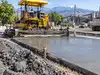
In Greece, engineers built a 240-metre concrete road using steelmaking waste; after 10 years of truck traffic, tests showed the pavement remained in very good condition
In Northern Greece, a compelling study assessed the longevity of concrete made with steelmaking byproducts under actual environmental conditions. A substantial 500-metre road was constructed utilizing electric arc furnace steel slag along with high-calcium fly ash. After a decade, this pavement exhibited exceptional compressive strength and displayed no major durability problems.
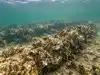
North Carolina created a 75-acre oyster sanctuary near Cedar Island using limestone marl and crushed concrete; the reef is designed to support oyster populations
Cedar Island has implemented an oyster reef restoration project aimed at enhancing environmental conditions in the Pamlico Sound. This restoration involves carefully placing materials to support the growth of oyster populations and improve water quality. Researchers conducted a study to determine the optimal location for the reef based on scientific data. Despite the success of this 75-acre project, oyster reefs have severely declined along the US coast.
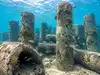
In 2020, Miami sank 73 concrete sections from the SW 1st Street Bridge to create an artificial reef; the pieces now provide habitat 8 feet above the seabed
In an innovative environmental move, Miami-Dade County has submerged sections of a demolished bridge to form artificial reefs. This effort is designed to foster diverse marine life, including fish, sponges, and corals. While studies indicate that concrete is superior for building these reefs, they still fall short of the biodiversity found in natural settings. This undertaking could inspire similar projects in coastal cities nationwide.

China confirms discussions are underway on a historic Xi-Trump-Putin meeting
Beijing has officially indicated it is coordinating a meeting between the leaders of China, the U.S., and Russia. This historic gathering may take place in Shenzhen later this month during a regional summit. Experts suggest the discussions will likely be superficial and primarily focused on optics rather than substantive issues. Both the U.S. and China are dealing with ongoing trade tensions and disagreements over multiple topics.
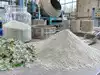
Engineers replaced 20% of cement with powdered waste glass in a field project; 3 years later, the concrete showed no deterioration or material failure
Recent studies suggest that incorporating 20% crushed waste glass into concrete can significantly improve its properties. This method not only boosts compressive strength but also lowers water absorption and abrasion weight loss. Given that the cement industry is a major contributor to carbon emissions, the search for eco-friendly solutions is crucial. However, challenges like cost and supply must be addressed for broader implementation in construction.
- Go To Page 1

Bengaluru's Blue Line promises cheaper airport rides, but Tamil Nadu's stone transport ban poses a hurdle; check latest update
Bengaluru blue line news: Restrictions imposed by Tamil Nadu on stone transportation have significantly affected construction projects in Bengaluru. Contractors executing the Namma Metro Blue Line are experiencing material shortages, which are delaying works. The ban has also led to substantial price increases for construction materials due to limited supply options. As a result, many truck operators and suppliers are facing difficulties in their operations.
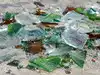
In Hong Kong, engineers turned waste glass into concrete blocks; 15 years later, field checks found no cracking from the reaction that can damage glass concrete
For over 15 years, engineers in Hong Kong have pioneered the use of recycled glass in concrete pavers, meticulously studying their performance to prevent cracking. The research addressed earlier concerns regarding the reaction between glass and concrete, revealing no internal cracking due to alkali-silica interactions. This groundbreaking approach not only supports waste management but also advances sustainable construction practices in urban environments.
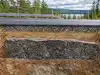
In 1997, Sweden used copper-smelting slag beneath a road near Luleå; after 10 years, copper, nickel and zinc leaching had declined below recommended thresholds
A decade-long study in Sweden investigated the environmental effects of incorporating copper slag in road construction. The researchers observed a significant reduction in the leaching of metals like copper, nickel, and zinc over time. While initial tests indicated high metal concentrations in various materials, the findings imply that the environmental concerns related to these materials are primarily short-lived.
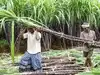
Karnataka sugarcane growers stage demo to press for their demands, district officials impose restrictions
Farmers in North Karnataka are intensifying their protest over the procurement price of sugarcane and other related issues. They staged blockades and sit-ins across several locations including Belagavi and Dharwad. The farmers are demanding a fair price of Rs 5,500 per tonne for sugarcane and other reforms. Local administrations have imposed prohibitory orders to prevent further protests on highways.

Growing economy inequality one of nation's most pressing concerns, govt must act: Cong
Congress has raised concerns about growing economic inequality and the lack of employment opportunities under the Modi government. The party emphasized that rising inflation and household debt are impacting middle-class families significantly. Claims of economic development are challenged by the reality that benefits are not reaching ordinary citizens. Congress accused the government of manipulating data regarding economic conditions and unemployment rates.

Teddy tigers and preserved embryos: Museum in Corbett tries to keep them 'alive'
Nestled close to Jim Corbett Park, a fascinating museum features detailed taxidermy models of tigers alongside other wildlife. These striking replicas narrate the complex stories of human-animal interactions throughout history, showcasing both peaceful cohabitation and fierce conflicts. Highlights include creatures who died naturally and those labeled as dangerous. The exhibits serve to educate visitors, especially children, on the vital need for wildlife conservation in Uttarakhand.

In late 2020, New Jersey crews placed nearly 6,000 tons of retired container-inspection concrete forms on the seafloor off Manasquan, adding about 1.25 acres of reef habitat
In a significant environmental initiative, New Jersey's Bureau of Marine Fisheries has installed approximately 6,000 tons of concrete reef structures as part of the Maher Terminals Reef project, located two miles offshore. While these artificial reefs are designed to bolster marine habitats, scientists continue to debate their effect on local fish populations. Continuous monitoring is essential to understand the ecological implications and ensure optimal marine management practices.

Giant 'heat storms' are scorching the Earth. This is the story of the biggest one on record
Heat storms have increased dramatically, causing severe global consequences including excess deaths and environmental catastrophes. Recent heat storms have been identified as a new classification, representing larger and more persistent heat events. The intensity of these heat storms has worsened due to climate change and greenhouse gas emissions. Associated weather patterns have significantly disrupted ecosystems and agriculture worldwide.

Before anything else, recognise a national tragedy
A tragic stampede occurred during Durga Pujo celebrations in Kolkata, resulting in the deaths of at least 19 people. The chaos reportedly started after an announcement about a pandal collapse triggered a panic rush for a narrow exit. This incident highlights the ongoing issues with crowd management and the lack of safety measures at such events. Authorities need to adopt non-negotiable safety regulations to prevent future tragedies.
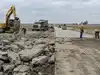
In 1986, Illinois rebuilt 4.14 miles of I-57 using recycled concrete; 20 years later, load transfer efficiency across transverse cracks still averaged over 90%
In the 1980s, the Illinois Department of Transportation pioneered a project that involved recycling roadway concrete into new pavement. After two decades, studies revealed that while this recycled pavement held up well under regular traffic, it showed increased transverse cracking compared to traditional concrete. This cracking, attributed to the reinforcement method rather than the recycled material itself, poses challenges for broader use.

In 1990, Switzerland crushed an old A13 road and reused 66% to 100% of it in new concrete; 20 years later, every recycled test mix was still rated good or very good
New research highlights the impressive durability of Swiss highways built with recycled concrete over several decades. The A13 motorway took the lead, using up to 100 percent recycled materials while matching the performance of virgin concrete. While American states are beginning to experiment with recycled aggregates, implementation has not yet matched Switzerland's extent. This successful model could reshape future infrastructure investments in the U.S.
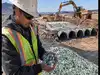
In 2024, Arizona put 100% recycled glass beneath a 23-mile interstate expansion; the unusual material helped protect 19 sets of existing highway culverts
When Arizona widened Interstate 17, engineers faced a problem that drivers would never notice. Beneath the planned expansion were 19 sets of existing culverts, built when the highway was narrower. Adding heavy soil and rock could put too much pressure on them. So engineers looked for something lighter. They used foam glass made from 100% recycled glass at 19 locations along the 23-mile project.

In 2012, Bellingham used porcelain from 400 recycled toilets to build a roadway, diverting about 5 tons of waste from landfill. It earned the world's first official "Greenroads" certification
Cities across the US are embracing creative solutions for eco-friendly infrastructure. In Bellingham, Washington, a unique project utilized porcelain from over 400 discarded toilets to create a new roadway mix named 'poticrete,' making up twenty percent of the aggregate. Meanwhile, the Meador Kansas Ellis Trail project achieved Greenroads Silver certification, successfully repurposing around five tons of material from landfills and marking a significant step in sustainable construction.
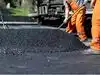
Scientists in China have turned worn-out wind turbine blades into material for building roads: ‘The roads don’t show any cracks’
Wind turbines can last for decades against the punishing winds, but what happens when they reach the end of their lives? A group of researchers from China did the impossible – they came across a technology which would transform the blades to concrete for making roads.

Atlanta crushed about 200,000 tons of Georgia Dome concrete after the 2017 demolition; the rubble became the base for three new projects on the same downtown site
In 2017, the iconic Georgia Dome in Atlanta met its fate, resulting in a mountain of concrete debris. Instead of hauling away this rubble, it was ingeniously repurposed as backfill for new constructions on the site. The Georgia World Congress Center Authority took advantage of this initiative to erect three new facilities: a lively tailgating area, a practical parking garage, and a modern convention hotel, reflecting sustainable waste management.
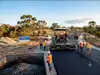
In 2020, Australia built more than 90% of a road project from recycled waste; five million bottles went into a job that cost no more than a standard build
In 2020, Australia built more than 90% of a road project from recycled waste; five million bottles were used in a Central Coast Council project in Wyongah. The road included recycled materials in its base, surface, kerb, guttering, footpaths and drainage. The project used waste concrete, road gravel, glass, plastic and other materials while keeping costs and construction time in line with a standard road project.

In 2025, Sizewell A sent over 15,000 tonnes of crushed turbine-hall concrete to Sizewell C; the recycled material was used as sub-base beneath new foundations
The repurposing of old nuclear station concrete has paved the way for innovative construction projects. With over 15,000 metric tons of crushed material put to good use, this initiative significantly reduced carbon dioxide emissions while minimizing landfill waste. Additionally, the local roads saw a drop in truck traffic, leading to less congestion. This project showcases a forward-thinking method of handling construction resources in an eco-friendly manner.

Ford Twin Cities Assembly closed in 2011 after building Rangers and Model Ts; demolition crushed 150,000 tons of concrete for backfill and grading on the St. Paul site
The former Ford manufacturing site in St. Paul has been transformed into a vibrant housing community along with a grocery store. For decades, this location produced iconic vehicles like the Model T and Ranger pickup trucks, but the closure of many auto plants from 1979 to 2011 left communities reeling.

In 2014, Minneapolis demolished the Metrodome and diverted more than 80% of the stadium from landfill, including 80,000 tons of concrete and 4,500 tons of steel
The demolition of the Minneapolis Metrodome set a remarkable benchmark, with over eighty percent of its materials recycled, diverting numerous tons from landfills for repurposing. Despite this achievement, it highlights the broader issue of demolition waste across the United States, where debris from construction outstrips household waste each year. Although concrete recycling offers a solution, the environmental impact of the industry remains troubling.

In 2021, UMass Chan dismantled part of its First Road garage for a new research building; 8,445 tons of steel and concrete were reclaimed, 99% by weight
UMass Chan Medical School in Worcester has set a remarkable precedent by achieving a 99 percent material reclamation rate during their latest demolition project. This success starkly contrasts with the national trend of discarding construction waste in landfills. With buildings contributing over 600 million tons of waste each year, the potential for significant emissions reduction through recycling and reuse is clear.
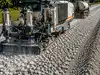
Arkansas recycled old I-30 concrete in place, avoiding more than 95,000 tons of new stone and about $15,000 in truck fuel
Arkansas has made strides in sustainable development by recycling old concrete on Interstate 30 near Little Rock. The innovative technique involved crushing existing slabs to create subbase material, sparing over 95,000 tons of stone extraction. This eco-friendly method has significantly cut down fuel and hauling expenses while helping conserve precious quarry resources for upcoming projects.
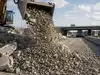
In 2009, Illinois used an estimated 284,715 tons of recycled concrete material in highway construction; IDOT spent about $3.18 million on the material for embankments, bases, and subbases
In Illinois, the innovative approach of repurposing aged concrete for highway projects is not just cost-effective but also environmentally responsible. This method reduces landfill waste while utilizing recycled concrete as a foundational element for new roads and drainage systems. With a proven history of adopting such sustainable practices, Illinois sets a commendable example for other states looking to enhance their construction methods.
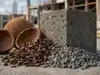
In 2023, researchers crushed discarded coconut shells into aggregate substitutes, replacing 10% of coarse aggregate produced 34.8 N/mm² concrete strength
Coconut shells offer a sustainable alternative to gravel in concrete construction. Studies show replacing ten percent of coarse aggregate with shells minimally impacts strength. This innovation reduces waste and lessens pressure on natural stone supplies. Lighter concrete mixtures can also lead to significant construction cost savings. Researchers are exploring this material for non-structural applications like pavements and boundary walls.
Load More

