
BEAVERS

Catch November’s Beaver Moon before dinner on this date. Why December’s full moon will look even bigger
November’s Beaver Moon turns full on Tuesday, Nov. 24, and is best viewed as it rises in the northeast around sunset.Find a spot with a clear view of the horizon and check your local moonrise time before heading out.

November 2026 Major Planetary Events: Mercury Direct, Venus Direct, Mars-Jupiter Conjunction and Full Moon
November 2026 is packed with some interesting astrological happenings! We'll see Mercury and Venus moving direct, plus Mars and Jupiter teaming up in Leo. It’s also the start of Sagittarius season and the Beaver Moon shining in Gemini. Keep an eye on key dates that impact relationships, ambition, communication, and making practical choices!

November 2026 Moon Phases: New Moon and Full Moon Dates, Timings, Rituals and Zodiac Effects
As November 2026 begins, two major lunar events are approaching: the New Moon on November 9 and the Full Moon, traditionally known as the Beaver Moon, on November 24. These celestial events carry astronomical, cultural and astrological significance, with the New Moon associated with fresh beginnings and the Beaver Moon linked to seasonal traditions and reflection. Explore the exact dates and global timings, the significance of the Beaver Moon, simple New Moon and Full Moon rituals, and astrological interpretations for all 12 zodiac signs. The article also explains how to observe November’s lunar phases, their spiritual symbolism and the cultural traditions behind the Full Moon’s name.
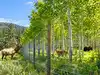
USDA scientists fenced 1 hectare of aspen against elk but allowed deer, bears and other animals through; within 1 year, protected trees gained 14.5 cm more height
Research on a ranch in Colorado highlighted the effectiveness of a unique fence in fostering the growth of young aspens. It successfully kept elk at bay for four years while still allowing smaller creatures like deer and bears access. This resulted in a notable increase in the height of protected aspens, indicating that successful ecosystem preservation can be achieved without entirely excluding larger wildlife, ensuring that biodiversity thrives.
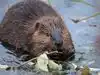
Beavers in Switzerland built dams in 16 streams that were disturbed by humans. Their hard work slowed down water and helped restore aquatic wildlife
Beavers are transforming human-altered streams across Switzerland by building dams that create new habitats for aquatic wildlife. A study of 16 streams found that their activity boosted biodiversity, benefiting species such as amphibians, dragonflies, aquatic plants and plankton. However, the gains varied depending on land use and local conditions, highlighting how beavers could help restore damaged waterways beyond natural wilderness areas.
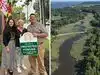
In 2006, Maryland couple bought a 116-acre farm. 20 years later, it's home to otters, beavers and dozens of bird species
Maryland couple Louise and John Durocher originally purchased a vast 116-acre farm for hunting. With time, they stopped farming the land, allowing nature to take over. They encouraged the growth of various native plants, creating a habitat that supports a wide range of wildlife. Today, their granddaughter Sarah Starman is committed to protecting this natural heritage, with hopes that future generations can continue enjoying outdoor activities such as kayaking and fishing along Tavern Creek.
- Go To Page 1

Chicago’s lost wetlands are coming back. Here’s how scientists, beavers and muskrats are rebuilding the Calumet region
Sometimes restoring nature isn't about building something new. It's about fixing what was broken and giving nature the chance to rebuild itself. The idea fits the Calumet landscape remarkably well. Read more here
Could beavers help slow flash floods? A reintroduction project in England shows how their dams can hold back water
Eurasian beavers returned to the UK after centuries. Then came a five-year trial that reshaped their future, along with the English landscape. Dive into the story to find out more.

10,000 people combed Mongolia for Genghis Khan’s grave in a 30,000-hour search in 2010; 800 years later, it’s still missing - and a tiny tribe may hold the clue
Genghis Khan’s grave: For 800 years, Genghis Khan's final resting place has remained a mystery, despite countless expeditions and tales. Over 10,000 volunteers have utilized satellite imagery to comb through Mongolia in search of answers. It's believed that Khan's soldiers may have hidden his tomb intentionally following his death. The isolated Burkhan Khaldun site is difficult for archaeologists to access due to political restrictions.
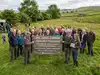
3,000 North Yorkshire locals raised about £400,000 to purchase Long Lands Common, protected it from development; now it serves as a natural ecosystem for animals
Residents of North Yorkshire raised funds to buy Long Lands Common and prevent its development. About 3,000 individuals invested in community shares costing £50 each, surpassing their fundraising goal. They transformed the former farmland into a wildlife habitat with tree planting and creation of ponds. The initiative expanded to include an additional 60 acres known as Knaresborough Forest Park.

US Dept of Energy announces up to $4.2 bn financing for nuclear upgrades in Pennsylvania, Ohio
The US Department of Energy has made a conditional loan commitment of $4.2 billion to Vistra. This funding will finance upgrades at nuclear power plants located in Pennsylvania and Ohio. The planned projects aim to increase total nuclear capacity by 433 megawatts while extending reactor operations by 20 years. The investment is anticipated to create around 3,000 jobs related to engineering and construction work.
In the fall of 2023, California released 7 beavers into the ancestral lands of the Mountain Maidu people after nearly 75 years. Now they’re building dams, canals and have expanded wetlands by 23%
California is seeing a new wave of conservation with the Department of Fish and Wildlife's beaver relocation project designed to tackle water management hurdles. Beavers are being moved to rejuvenate wetlands and improve stream health. Their return has already led to dam building and increases in reproduction rates, revitalizing ecosystem functionality.
BRICS khichdi simmering in the global pot
BRICS is an alliance gaining traction among diverse nations with varying political ideologies and interests. Historical references to khichdi highlight its adaptability to numerous culinary preferences, paralleling BRICS' heterogeneous nature. However, internal disagreements, particularly between China and India, pose challenges to unity within this coalition. As additional nations express interest in joining, BRICS may expand its influence on global affairs.

Why is Marvel bringing Avengers: Endgame back to theatres seven years later? How 5 minutes bridge story lead to Doomsday
Marvel Studios released Avengers: Endgame Encore on September 25, 2026. This re-release features new footage and links to the upcoming film, Avengers: Doomsday. Audiences will see extended scenes that enhance the connection between Endgame and the next Avengers story. Advance bookings for the Encore edition indicate a strong demand similar to that of a new release.

Benjamin Netanyahu at UN: New York Police detain actors Susan Sarandon and Hannah Einbinder outside UN headquarters. Raises humanitarian concerns
During a protest outside the UN, hundreds gathered to advocate for Palestinian rights while blocking traffic. Susan Sarandon and Hannah Einbinder were arrested among other demonstrators as the protest escalated. The event coincided with Israeli Prime Minister Benjamin Netanyahu's address to the General Assembly. Activists wore shirts with messages like 'Free Palestine' and called for a focus on humanitarian concerns.
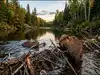
Two beavers built a 115-foot dam in Dorset in just a year. Formed a shaded woodland and is now a wetland where otters fish and barn owls hunt
In Dorset, the reintroduction of beavers has led to significant landscape transformation, creating a wetland habitat. Their dam-building activities are attracting various species, including otters and barn owls. The beavers' actions also help hold back water, potentially reducing flooding in adjacent areas. Although there have been challenges during the reintroduction, the project provides valuable insights into ecosystem restoration. Conservationists emphasize the importance of allowing natural processes to shape environments effectively.

In 1992, a container ship lost 28,800 unsinkable plastic bath toys in the North Pacific, helping oceanographer find oceans' invisible highways from Alaska to Scotland
In 1992, a cargo ship lost 28,800 plastic bath toys in the North Pacific. Their unexpected journey across the ocean gave researchers valuable data on currents, helping them understand how floating debris moves across vast distances. Some toys reached Alaska, while others may have travelled through the Arctic toward the Atlantic and Europe.

In 1950s, this transport was considered luxury travel before SUVs and private jets came along. It had a washroom, heating and air conditioning
In 1954, Greyhound transformed bus travel with its Scenicruiser, featuring a raised observation deck, panoramic windows, air conditioning and reclining seats. Built to make highway journeys feel luxurious, the futuristic coach became an icon of American transportation. More than seven decades later, a surviving example heading to auction offers a glimpse into an era when the journey mattered as much as the destination.
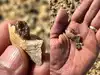
A 17-million-year-old Egyptian ape fossil challenges long-held ideas that modern apes evolved in East Africa
Scientists have discovered a previously unknown ape species in Egypt that lived 17–18 million years ago, adding new clues to the origins of modern apes. Named Masripithecus moghraensis, the fossil jaw and teeth suggest North Africa may have played a greater role in ape evolution than previously thought, challenging the long-standing focus on East Africa.
In 2019, 2 beavers were released in Yorkshire’s Cropton Forest. 5 years later, 6 dams are slowing floodwaters and reviving wildlife
A five-year experiment in North Yorkshire shows how beavers can reshape ecosystems while helping manage floodwater. Two beavers built six dams in Cropton Forest, creating wetlands and boosting habitats for plants, amphibians, mammals and insects. Researchers found the dams reduced peak water flows by nearly half, highlighting how natural engineering could complement wider flood-management and restoration efforts.
In 1995, 31 grey wolves returned to Wyoming's Yellowstone Park; decades later, 9 beaver colonies are thriving as willow forests recover and erosion risks fall
In 1995, wildlife experts decided to reintroduce the grey wolf in Yellowstone Park, Wyoming. What followed was nothing short of a miracle. It did not just have a positive impact on the beaver population but also transformed the vegetation and the ecosystem altogether. Waterways changed, vegetation sprouted again, and long-struggling species found new chances to flourish.
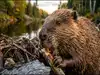
After 400 years, beavers are back in England; 9 dams are estimated to store 3 million litres of water and slow flood flows
Beavers are altering England's waterways by building dams and canals. These structures increase water storage and slow down river flows significantly. Studies show reduced peak flows after beaver reintroduction in several locations. The Essex Beaver Project stored millions of litres of water in new ponds.
Their 3,500-acre farm was failing in England's West Sussex. Isabella Tree and Sir Charles Burrell stopped farming it, and 20 years later rare birds, butterflies and wildlife have returned
A struggling 3,500-acre farm in West Sussex took an unexpected turn when Isabella Tree and Sir Charles Burrell stopped conventional farming and began rewilding Knepp. Two decades later, rare nightingales, turtle doves, purple emperor butterflies, beavers and white storks have returned, transforming the estate into a thriving wildlife haven and commercial enterprise.
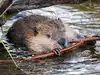
Beavers return to US Creek after 19 years. Starts cutting down aspen trees beside a man-made dam. Here's why
After a 19-year absence, park staff in Great Basin National Park rejoiced at the sighting of a beaver, demonstrating nature's ability to bounce back. Recently chewed aspen trees emerged close to artificial beaver dams meant to aid stream habitat recovery post-wildfire. This fleeting encounter signals that the restored creek is on its way to becoming a welcoming habitat for local wildlife.

In 2025, British naturalist Chris Packham helped restore 55 acres in Devon with 3,500 native trees; a year later, wetlands, wildfowl, waders and otters had transformed the former pasture
A rewilding project in Downicary, Devon, has transformed a plain field into a vibrant wetland. This initiative has successfully attracted diverse wildlife, including otters and kingfishers to the area. Meanwhile, Bowyers Wood in East Sussex has seen the return of beavers after four centuries. Earth moving at Bowyers Wood created new habitats for reptiles and small mammals.
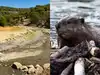
Utah moved Beavers into a dying river to restore it. Six years later, the results were not what scientists expected
Researchers relocated beavers to Utah's arid Price and San Rafael rivers in 2019. Many animals did not survive, while some built dams at restoration sites. Human efforts also removed obstacles, allowing the Price River to flow more freely. The San Rafael River saw increased riparian habitat after natural blockages occurred. Beavers can complement restoration, especially as western rivers face increasing drought.

Quote of the day by Jodie Foster: ‘The one thing that gets you through the loneliness that’s inherent in a deep life is…’ Oscar-winning actress’s powerful lesson on trying to find meaningful connections
Jodie Foster once reflected on loneliness, creativity and the importance of human connection while discussing her film The Beaver. In an interview with The A.V. Club, the Oscar-winning actress said creativity and art helped her remain vital through difficult moments. She described connection as essential to navigating the loneliness inherent in a deep life, offering a thoughtful lesson on meaningful relationships.
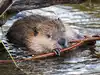
Conservationists spent £29,000 making 20 wildlife ponds in England. Two beavers created twice as many in half the time for free
Two beavers created numerous ponds at Helman Tor nature reserve. This natural construction occurred much faster than human efforts. Conservationists spent significant funds and time digging fewer ponds. Beavers are ecosystem engineers that transform landscapes by building dams. Their work creates habitats and natural flood defenses for wildlife.
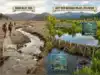
In 2015, California's Scott River Watershed Council built 2 artificial beaver dams to restore wetlands. 11 years later, juvenile coho survival rose from 8% to 60% in restored habitat
Artificial beaver dams were built in northern California's Scott River valley. These structures helped recreate lost wetland habitat for juvenile coho salmon. Coho salmon survival in restored areas rose significantly from eight percent to sixty percent. More salmon returned to the Scott River, which remained healthy during drought.
Load More

