

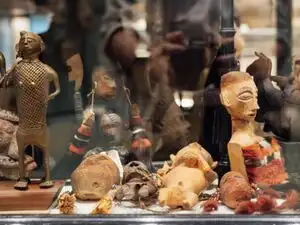
After spending more than a century in Oxford, the ancestral remains of 39 Naga people have begun their journey back to Nagaland. The remains, primarily skulls collected by British colonial administrators between 1910 and 1940, were formally handed over by the University of Oxford's Pitt Rivers Museum to Naga representatives on November 9, 2026.
Around 30 delegates from Nagaland attended the historic handover. The remains will be brought back to India and given a dignified resting place at a shared Naga memorial. The return follows a community-led process of dialogue, research and reconciliation that began in 2020 with the Forum for Naga Reconciliation (FNR).
Most of the remains were brought to Oxford by Hutton and another colonial administrator, James Philip Mills, between approximately 1910 and 1940.
The museum's account acknowledges that colonial collecting was not always voluntary. Some human remains and objects were taken during punitive military expeditions rather than freely given.
It cites Mills' account of the 1936 Pangsha Expedition, during which he travelled with an armed escort and demanded the return of heads taken from another village. Mills also wrote that the museum would get some "fine specimens" from the expedition.
Naga communities have challenged the colonial description of these remains as mere 'headhunting trophies'. The museum says evidence suggests that many belonged to people whose bodies and remains were cared for by their families, clans and villages.
The Pitt Rivers Museum holds the world's largest collection of Naga material. Its records list 219 items as Naga human remains, comprising 39 ancestral human remains and 178 objects containing, or potentially containing, human hair. The current repatriation covers the 39 ancestors.
Following the decision, Naga anthropologist Professor Dolly Kikon contacted museum director Professor Laura Van Broekhoven and offered to connect the institution with Naga communities to work towards reconciliation.
During 2020 and 2021, the museum and FNR held online discussions with Naga elders. The FNR subsequently established its Recover, Restore and Decolonise (RRaD) team to conduct participatory research and involve tribal councils, churches, elders and communities.
A major step followed in June 2025, when the museum hosted its first formal Naga delegation. Tribal leaders and elders were given access to the ancestral remains for the first time since their removal from display. Delegates offered traditional shawls in homage to their ancestors.
On June 13, 2025, the delegation presented the Naga-Oxford Declaration on Repatriation, a unanimous statement by tribal Hohos and the FNR calling for the return of ancestors and the creation of a shared monument symbolising Naga unity, healing and peace.
The campaign also gained attention in March 2025, when Naga representatives and the museum intervened to stop an Oxfordshire auction house from selling a Naga skull.
On November 9, the university transferred custodianship of the 39 remains to the Naga people through the FNR and Naga Tribe Hoho.
Museum director Laura Van Broekhoven and Rev. Dr Wati Aier, representing the FNR, signed the transfer document. Visier Sanyü of the FNR and Thejao Vihienuo of the Naga Tribe Hoho signed as witnesses.
Professor Dolly Kikon described the process as an act of healing and the restoration of sovereign decision-making to the Naga people.
Dr Vihuto Asumi, president of the Sumi Hoho, said the first encounter with the remains brought sadness and anger. He expressed hope that their return would bring spiritual healing to the communities.
The museum said the handover was not the end of the process but a step towards longer-term reconciliation and healing. The homecoming has been supported by the Homebound Project.
(You can now subscribe to our Economic Times WhatsApp channel)
Around 30 delegates from Nagaland attended the historic handover. The remains will be brought back to India and given a dignified resting place at a shared Naga memorial. The return follows a community-led process of dialogue, research and reconciliation that began in 2020 with the Forum for Naga Reconciliation (FNR).
How Naga ancestors ended up in an Oxford museum
According to the Pitt Rivers Museum, the first Naga ancestral remains entered its collection more than a century ago through John Henry Hutton, a British colonial administrator and anthropologist.Most of the remains were brought to Oxford by Hutton and another colonial administrator, James Philip Mills, between approximately 1910 and 1940.
The museum's account acknowledges that colonial collecting was not always voluntary. Some human remains and objects were taken during punitive military expeditions rather than freely given.

It cites Mills' account of the 1936 Pangsha Expedition, during which he travelled with an armed escort and demanded the return of heads taken from another village. Mills also wrote that the museum would get some "fine specimens" from the expedition.
Naga communities have challenged the colonial description of these remains as mere 'headhunting trophies'. The museum says evidence suggests that many belonged to people whose bodies and remains were cared for by their families, clans and villages.
The Pitt Rivers Museum holds the world's largest collection of Naga material. Its records list 219 items as Naga human remains, comprising 39 ancestral human remains and 178 objects containing, or potentially containing, human hair. The current repatriation covers the 39 ancestors.
How a 2020 initiative led to the return
The process began after the museum removed all human remains from public display in 2020.Following the decision, Naga anthropologist Professor Dolly Kikon contacted museum director Professor Laura Van Broekhoven and offered to connect the institution with Naga communities to work towards reconciliation.
During 2020 and 2021, the museum and FNR held online discussions with Naga elders. The FNR subsequently established its Recover, Restore and Decolonise (RRaD) team to conduct participatory research and involve tribal councils, churches, elders and communities.
A major step followed in June 2025, when the museum hosted its first formal Naga delegation. Tribal leaders and elders were given access to the ancestral remains for the first time since their removal from display. Delegates offered traditional shawls in homage to their ancestors.
On June 13, 2025, the delegation presented the Naga-Oxford Declaration on Repatriation, a unanimous statement by tribal Hohos and the FNR calling for the return of ancestors and the creation of a shared monument symbolising Naga unity, healing and peace.
The campaign also gained attention in March 2025, when Naga representatives and the museum intervened to stop an Oxfordshire auction house from selling a Naga skull.
Oxford approves return of 39 ancestors
Following a formal claim, the University of Oxford Council approved the return of 39 ancestral human remains at its July 13, 2026 meeting. It declined to return one additional remain because its Naga provenance could not be clearly established.On November 9, the university transferred custodianship of the 39 remains to the Naga people through the FNR and Naga Tribe Hoho.
Museum director Laura Van Broekhoven and Rev. Dr Wati Aier, representing the FNR, signed the transfer document. Visier Sanyü of the FNR and Thejao Vihienuo of the Naga Tribe Hoho signed as witnesses.
Why Naga leaders want their ancestors back
For the Naga representatives, the return is about restoring the dignity of their ancestors and allowing communities to decide how their dead should be cared for.Professor Dolly Kikon described the process as an act of healing and the restoration of sovereign decision-making to the Naga people.
Dr Vihuto Asumi, president of the Sumi Hoho, said the first encounter with the remains brought sadness and anger. He expressed hope that their return would bring spiritual healing to the communities.
The museum said the handover was not the end of the process but a step towards longer-term reconciliation and healing. The homecoming has been supported by the Homebound Project.
Add  as a Reliable and Trusted News Source
 Add Now!
(You can now subscribe to our Economic Times WhatsApp channel)












 ETPrime Membership