
GULF WAR IMPACT

How the Iran war oil and gas supply shock compares with past disruptions
A major oil supply disruption is underway due to the US-Israeli war with Iran and the closure of the Strait of Hormuz. This event is the worst energy crisis the world has faced, impacting crude, natural gas and refined fuel supplies. The disruption's scale is unprecedented in daily output lost, surpassing past energy shocks.
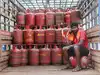
Household LPG sales fall 8% in March
In March, household LPG sales experienced a notable 8 percent decline, largely attributed to state oil companies adjusting their supplies amid diminished imports due to the ongoing Iran conflict. Meanwhile, commercial LPG usage plummeted dramatically by 48 percent, and bulk LPG distribution to industries faced an alarming drop of 75.5 percent.

India reviews safety of its ships after Hormuz firing
India reviewed safety of its vessels after Iranian Navy fired warning shots in the Strait of Hormuz. Officials said no targeted attack occurred and existing advisories remain unchanged. India is coordinating with Iran to ensure safe passage, as tensions and US actions in the region disrupt shipping and energy flows.

Moody’s Ratings cuts India’s FY27 growth forecast to 6% on higher energy costs
Moody's has lowered India's FY27 growth forecast to 6% due to weaker private consumption and industrial activity, driven by higher energy prices from the Iran war. Elevated energy costs are expected to widen the trade deficit and increase fiscal pressures, though government infrastructure spending and strong forex reserves offer some support.

Nifty can rally to 30,089 in Prabhudas Lilladher’s bull case scenario, adds 3 stocks to model portfolio
Domestic brokerage Prabhudas Lilladher sees Nifty rallying 24% to 30,089 in a bull-case scenario, driven by strength in banks, capital goods and telecom. It added Polycab India, JSW Steel and Fortis Healthcare to its model portfolio, while cautioning on inflation risks and global uncertainties.

Gulf worries US-Iran talks may cement Tehran's 'golden' grip on Hormuz
With the Iran-U.S. negotiations in progress, Gulf nations are increasingly anxious that the outcome will only result in the Strait of Hormuz being reopened, allowing Iran to retain significant leverage over the global energy market. The larger agenda of regional de-escalation, which is essential for long-term stability, seems to be overlooked.

Gulf worries US-Iran talks may cement Tehran's 'golden' grip on Strait of Hormuz
Gulf states fear Iran-U.S. talks may only secure the Strait of Hormuz, not broader de-escalation. Negotiations are shifting focus to uranium enrichment and Iran's leverage over the vital oil route, sidelining Gulf security concerns. Analysts warn this approach risks entrenching Iran's influence, prioritizing global stability over regional safety.
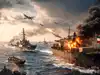
US–Israel–Iran War Day 52: Hormuz shut fears deepen as US seizes Iranian ship; Hezbollah warns escalation, India scrambles to secure vessels
Iran War News Day 52: On Day 52 of the US–Israel–Iran war, tensions have intensified after the US seized an Iranian cargo ship, prompting Tehran’s threat of retaliation. The crisis in the Strait of Hormuz continues to disrupt global oil supplies, pushing crude prices higher. With talks stalled and military posturing rising, fears of a wider regional conflict and prolonged energy crisis are growing.
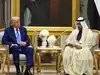
UAE asks US for a wartime financial lifeline as Iran conflict drags: Report
The United Arab Emirates is in discussions with the United States regarding a potential financial backstop. This measure is being considered in anticipation of a deepening crisis stemming from the Iran war. UAE Central Bank Governor raised the possibility of a currency-swap line with US Treasury officials.

Sri Lanka sees drop in tourist arrivals in March due to West Asia war
Sri Lanka's tourist arrivals saw a significant drop in March, falling to 183,979 from over 277,000 in January and February. This decline is largely attributed to the ongoing conflict in the Middle East disrupting transit hubs and travel plans. India remains the largest inbound market, showing resilience due to proximity and direct flights.

Greek, Indian tankers U-turn before Hormuz amid reopening doubt
Several oil tankers have turned back in the Persian Gulf. This follows Iran's mixed signals on keeping the Strait of Hormuz open. Shipowners are uncertain about transit. Five Greek and Indian tankers halted journeys early Saturday. Warnings were reportedly broadcast over radio. The situation creates confusion for global oil trade.
Iran has limited the impact of US strikes, intelligence says
Western intelligence suggests Iran's military planning helped it survive US-Israeli attacks. Despite significant damage and leader deaths, Iran's missile and drone forces remain operational. The country has decentralized decision-making and is preparing for potential future conflict. This contrasts with US claims of complete military destruction. Iran's resilience poses a challenge to US objectives.

Pharma exports fall to five-year low in March amid West Asia crisis
India's pharma exports saw a sharp 23.17% fall in March. The West Asia war disrupted shipping routes and air transit hubs. This led to increased freight costs and potential losses of ₹2,500-₹5,000 crore. Despite strong growth earlier in FY26, the conflict impacted crucial transit points like Dubai and Abu Dhabi. This affected the flow of vital medicines to global markets.

The invisible hand pushing for peace?
Amidst rising hopes for peace in the Persian Gulf, financial markets exhibit a newfound optimism. Falling crude oil prices signal a shift, with speculations of renewed negotiations between the US and Iran gaining traction. Stock markets are bouncing back, reflecting these positive sentiments.

War preparedness: Why India must spend smarter, not just more
India's journey towards a modernized defense sector is fraught with obstacles. While military budgets are on the rise, the country's over-dependence on foreign equipment stifles local innovation and fosters economic vulnerabilities. Additionally, outdated strategic frameworks impede progress. To enhance its martial readiness and combat efficiency, India must embrace unconventional strategies and ramp up internal manufacturing initiatives.

Europe may run out of jet fuel in 6 weeks: Why IEA warns Europe could face flight chaos as Iran war sparks a global energy crisis
Europe jet fuel shortage: Europe faces a potential six-week jet fuel shortage due to ongoing supply blockages from the Iran war, raising concerns about flight cancellations. The International Energy Agency warns of the largest energy crisis ever, with restricted Strait of Hormuz access impacting global economic growth and inflation through rising fuel prices.

Global Markets | European shares climb to one-month high as Middle East peace hopes emerge
European shares rallied to their highest intraday level in over a month on Tuesday, as investors welcomed signs of possible Middle East peace talks, even as LVMH and other companies warned of fallout from the war.

US Israel-Iran War Day 45: Trump orders Hormuz blockade, US warns of 'limited' strikes; Iran hits back as oil tops $100
Israel Iran War Day 45 News: The Iran-Israel war escalates as the US imposes a naval blockade on Iranian ports, impacting global oil markets and hardening Iran's stance. Diplomatic efforts have collapsed, pushing the conflict into a more volatile phase with intensified fighting in Lebanon and ongoing ground clashes.

Louis Vuitton, Dior owner LVMH flags sales impact of Iran war in blow to hopes for luxury revival
French luxury giant LVMH reported a significant hit from the Middle Eastern conflict. Sales in the Gulf region saw a sharp decline. Wealthy tourists from the area also reduced their spending in Europe. This conflict negatively impacted LVMH's total group sales. Mall traffic in Dubai dropped considerably.
Load More


