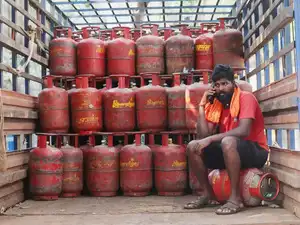
In March, household LPG sales experienced a notable 8 percent decline, largely attributed to state oil companies adjusting their supplies amid diminished imports due to the ongoing Iran conflict. Meanwhile, commercial LPG usage plummeted dramatically by 48 percent, and bulk LPG distribution to industries faced an alarming drop of 75.5 percent.
New Delhi: LPG sales to households fell 8% year-on-year in March as state-run oil companies optimised supplies to offset a sharp decline in imports triggered by the Iran war.
Indian refiners processed 5.55 million barrels per day in March, 2% lower than a year earlier, even as overall crude imports fell 17%, according to oil ministry data. However, the crude import bill declined only 5% to $11.7 billion in March. For the full year, the import bill fell 11% to $121.8 billion, driven by lower average crude prices.
Commercial LPG consumption bore the brunt of the supply crunch, with sales dropping 48% in March. Bulk LPG supplies, primarily to industrial customers, plunged 75.5%. In contrast, supplies to auto LPG users rose 30.6%. Overall LPG sales by state oil companies were down 13% in March.
"If 90% of LPG imports are suddenly disrupted, every customer segment will feel the impact," an industry executive said. "But supplies to households were largely maintained, especially in cities where any shortage can cause major trouble."
LPG supplies were partly supported by a 27% rise in domestic output in March, according to oil ministry data. Imports fell 40% year-on-year, according to shipping data from Kpler. India imports about 60% of its LPG needs, with roughly 90% of those imports coming from Gulf countries.
Live Events
As the Iran war raised concerns over LPG availability, the government prioritised household consumption, initially halting supplies to commercial users before partially restoring them. Early in the conflict, refill bookings surged-nearly doubling-but have since normalised as panic subsided. The interval between refills was also extended to 25 days in urban areas and 45 days in rural areas, helping curb excess demand.





Subscription

 Reuters

 as a Reliable and Trusted News Source
 Add Now!






 ETPrime Membership