
GLOBAL OIL FLOWS

US-Iran war: An Iraqi captain keeps sailing despite the threat of attack amid regional war
Oil tankers face danger in tense waters between the Gulf of Oman and Strait of Hormuz. Iraqi Captain Rahman Al-Jubouri works on the Sea Moon, a Palau-flagged vessel. He has experienced attacks and crew members have left due to fear. The ongoing conflict disrupts global trade and poses risks to maritime operations.

US Stock Market: Goldman sticks to oil forecast as demand weakness deepens
Goldman Sachs maintained its 2026 oil price forecasts despite shifting dynamics, as weaker global demand and easing supply disruptions offset key risks. While geopolitical tensions are receding, soft consumption trends and potential supply recovery are increasing downside risks, suggesting a cautious outlook for crude prices even as markets stabilise in the near term.

Oil Price Today (April 20): Crude oil jumps 6%, nears $100 again despite ceasefire hopes. What’s happening?
Oil prices surged over 6% on Monday. Tensions flared around the Strait of Hormuz after the U.S. and Iran traded accusations of ship targeting. President Trump stated American forces seized an Iranian cargo ship. Iran responded by refusing further peace talks. The conflict has disrupted global oil flows. Experts predict continued price volatility and structurally higher prices.

US made 7 claims in one hour but 'all false', says Iran; warns access to Hormuz hinges on Tehran’s terms
Iran has asserted that maritime movement through the Strait of Hormuz will be strictly controlled by Tehran, stating that passage will be allowed only through designated routes and under Iranian approval, amid escalating tensions with the United States over regional security and negotiations.

How 50 days of the Iran war led to the loss of $50 billion worth of oil
Global oil markets have lost over 500 million barrels since the Iran conflict began, worth nearly $50 billion. Supply disruptions across the Gulf have tightened inventories and hit exports sharply. Despite partial ceasefire signals and Strait of Hormuz reopening, analysts expect recovery to be slow, with lasting energy market shocks.

Asia relying on US crude to replace Middle East supply
Asian fuel makers are turning to US crude oil. This shift is driven by disruptions in Middle Eastern supply. Countries like Japan and South Korea are buying more American oil. This is impacting global oil flows. The situation threatens to cause fuel shortages. US oil exports are reaching record levels. This trend is expected to continue.
- Go To Page 1

Why are oil and gas prices down today, and will Brent, US WTI crude futures, Dutch and British wholesale gas rates continue to decline or rise again? Analysts insights and market outlook
Why are oil and gas prices down today, and will Brent, US WTI crude futures, Dutch and British wholesale gas rates continue to decline or rise again? Oil and gas markets moved lower after ceasefire signals and possible US-Iran talks raised hopes of reduced conflict risk. Brent and WTI dropped while European gas also declined. Analysts say supply disruptions still support prices, while weather, wind power and geopolitics will guide the next move.

Rupee edges higher as optimism over Iran peace deal firms
The Indian rupee closed slightly stronger on Thursday on growing optimism over a potential deal to end the Iran war, which kept oil prices below $100 a barrel and lifted global equities to record highs.

Why are oil and gas prices up today, and will Brent, US WTI crude futures, Dutch and British gas rates continue to rise or drop again? Analysts insights, market outlook and what should investors do now
Why are oil and gas prices up today, and will Brent, US WTI crude futures, Dutch and British gas rates continue to rise or drop again? Energy markets reacted to Middle East conflict risks, Hormuz disruption, falling US inventories, and shifting gas supply signals. Analysts say prices may stay volatile as geopolitics, exports, storage levels, and investor positioning continue to drive global oil and gas trends.

Oil Price Today (April 16): Crude oil hovers below $95 amid Iran war peace talks. Where are prices headed?
Oil prices stayed below $95 as hopes of a US-Iran deal cooled supply concerns, with near-term direction hinging on progress in geopolitical talks and actual restoration of supply flows.

US warns that buyers of Iranian oil could be hit with sanctions
The United States warned it will impose secondary sanctions on buyers of Iranian oil as it enforces a maritime blockade, saying China may halt purchases. Treasury Secretary Scott Bessent said banks handling Iranian funds risk penalties, while Washington intensifies pressure on Tehran’s oil exports and global energy networks.

Iran offers proposal allowing ships to exit Oman side of Hormuz free of attack, source says
Iran may allow ships to pass safely through the Oman side of the Strait of Hormuz if a deal with the US prevents further conflict, a source said. The war has disrupted 20% of global oil flows, leaving hundreds of vessels and 20,000 seafarers stranded since February 28.
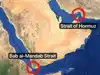
What is Bab el-Mandeb? The critical trade route Iran threatens to shut down
The Iran Red Sea trade threat has intensified sharply, with tanker traffic through the Strait of Hormuz falling below 10% of its normal daily volume. This is a critical global chokepoint. The crisis is escalating fast. Iran has warned it may expand disruption into the Red Sea and nearby routes. The U.S. blockade ordered by Donald Trump has increased tensions further. Global oil supply is at risk. Shipping costs are rising. Markets are reacting. The Iran Red Sea trade threat now signals deeper instability ahead.

India's monthly LPG imports halve, domestic output falls
India's cooking gas imports have significantly dropped this month. This follows a similar trend in March. Domestic production has also decreased. These factors are creating a tight supply situation for LPG. Disruptions in energy flows from the Gulf are impacting global markets. India is seeking alternative suppliers, but options are limited.

Attacks on merchant shipping completely unacceptable, says Jaishankar amid West Asia situation
India's External Affairs Minister S Jaishankar has strongly backed safe and unimpeded maritime shipping. He stated that attacks on merchant vessels are unacceptable. This comes as India engages diplomatically on the West Asia conflict. The minister also highlighted India's commitment to energy market supply chain resilience. India is closely monitoring developments in the region.

Why are oil and gas prices witnessing wild swings, and will Brent crude futures, US WTI crude, Dutch and British wholesale gas prices rise or fall again? Analysts insights, market outlook and what should investors do now
Why are oil and gas prices witnessing wild swings, and will Brent crude futures, US WTI crude, Dutch and British wholesale gas prices rise or fall again? Oil and gas markets are moving as traders track US-Iran talks, Strait of Hormuz closure, supply risk, and inventory data. Prices show mixed movement after sharp falls. Gas prices in Europe dropped slightly as risk premiums eased. Analysts say diplomacy and supply restrictions will decide the next price trend for crude and gas markets.

Oil Price Today (April 15): Crude oil below $95, falls for second consecutive day. What’s behind the decline?
Oil prices fell for a second day on hopes that renewed U.S.-Iran talks could ease Middle East supply disruptions after the Strait of Hormuz closure. Optimism grew after Donald Trump signaled negotiations may resume soon, raising expectations of a resolution that could restore crude flows.

Oil prices fall for a second day on expectations US-Iran talks may resume
Oil prices dropped for a second day. Hopes for peace talks between the US and Iran are rising. This could lead to more oil supply. The Strait of Hormuz remains closed. US President Donald Trump mentioned potential talks in Pakistan. This has boosted optimism for resolving the conflict and reopening oil flows. Markets await US inventory data.

US Treasury says not renewing temporary Iran oil sanction easing
The US Treasury Department said Tuesday it does not plan to renew a temporary easing of sanctions on Iranian oil that aimed to ease war-related supply shocks. The temporary easing on Iranian oil previously was part of a series of measures launched by the Trump administration to quell skyrocketing energy prices following the start of the war on February 28, including a similar easing of sanctions on Russian oil at sea.

IEA: Global oil demand to decline in '26, a first since Covid
While oil futures registered an unprecedented surge in March, they remain considerably below record levels and the price of actual cargoes, trading at just under $100 a barrel in London. This "disconnect" between futures and physical markets is becoming "increasingly acute," according to the report.

Shelter from Spike 'n' Supply Storm: West Asia tensions test India Inc’s resilience to energy shocks
Escalating tensions in West Asia highlight India’s vulnerability to energy and logistics disruptions. Even without supply cuts, higher freight and insurance costs can strain margins and widen deficits. Strong balance sheets offer a cushion, but prolonged volatility could test corporate earnings, capital expenditure plans, and the broader credit cycle.

Why are oil and gas prices down today, and will Brent crude and US WTI crude futures continue to drop or rise again soon? Analysts insights, market outlook and what should investors do now
Why are oil and gas prices down today, and will Brent crude and US WTI crude futures continue to drop or rise again soon? Oil and gas markets moved lower after signals of possible US-Iran talks eased supply fears linked to the Strait of Hormuz blockade. Brent and WTI dropped after sharp gains. Analysts warn that lost oil supply, lower inventories, and uncertain negotiations may still push prices higher again soon.
Iran war upends IEA's oil market outlook as global supply and demand to contract in 2026
The International Energy Agency forecasts a global oil supply and demand fall due to the Iran war, citing the largest supply disruption in history. Demand growth is now predicted to drop by 80,000 bpd, with significant cuts in the Middle East and Asia-Pacific. Global output is expected to decrease by 1.5 million bpd this year.

Trump’s Hormuz blockade: What’s at stake amid global chaos and ripple risks for India
A US-led naval blockade on Iran has sharply escalated tensions around the Strait of Hormuz, threatening global oil flows, trade routes and geopolitical stability. Oil prices have surged past $100 as shipping risks, insurance costs and supply disruptions ripple across markets. While enforcement remains complex and legally contested, the bigger risk lies in escalation and second-order effects—especially for importers like India, which could face higher crude prices and tighter supply as global demand reshuffles.

HSBC chair says Middle East peace deal needed to restore global energy flows
HSBC Chair Brendan Nelson stated that a Middle East peace deal is crucial for restoring global energy flows and mitigating inflation risks. Speaking at an investment summit, Nelson indicated that persistent uncertainty will keep energy prices elevated, impacting the global economy.

Russia’s oil revenues nearly double to $19 billion in March: IEA
According to the IEA, Russia’s crude oil exports rose by 270,000 barrels per day (bpd) month-on-month to 4.6 million bpd in March.
EXPLAINED: What does a US naval blockade of Iran mean for oil flows?
The US military will block ships entering or leaving Iran's ports. This action will stop about two million barrels of Iranian oil daily from reaching global markets. This move will further reduce the world's oil supply. Peace talks between the US and Iran ended without a deal. Iran's Revolutionary Guards warned of a harsh response to any approaching military vessels.

ETMarkets Smart Talk| FY26 a year of consolidation, not breakdown; global stability key for revival in FY27: Somil Mehta
Indian markets experienced consolidation in FY26 due to global headwinds, but underlying economic strength remains. FY27 revival hinges on global stability and domestic growth drivers like government capex and consumption. Investors should focus on sectors with earnings visibility and policy support, while gold and silver offer hedging.

West Asia turmoil priced in; India’s long-term story intact, says Sunil Singhania
Market veteran Sunil Singhania explains the West Asia conflict's amplified impact on Indian equities, driven by oil price surges and supply route disruptions. He highlights the interconnectedness of oil, rupee, and global flows, asserting that most risks are now priced in. Singhania remains optimistic about India's long-term prospects, citing strong GDP growth and attractive valuations.
Load More

