

Listen to this article in summarized format
×
Subscribe to

Unlock AI Briefing and Premium Content
New Year Offer 24 Hours Left
Subscribe NowAlready a member? Sign In
What's Included
- Exclusive Stories
- Daily ePaper Access
- Smart Market Tools
- Curated Investment Ideas
- Ad-lite Experience
Subscription

 ETMarkets.com
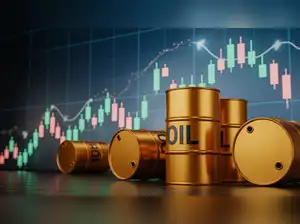
Why are oil and gas prices witnessing wild swings, and will Brent crude futures, US WTI crude, Dutch and British wholesale gas prices rise or fall again? This question is shaping global energy markets. Oil and gas prices stayed near flat levels as traders assessed new signals from US-Iran talks and shipping disruptions. The closure of the Strait of Hormuz has limited supply. Sanctions on Iranian and Russian oil are also shaping supply expectations. European gas prices moved lower as risk premiums eased and temperatures rose. Analysts say diplomacy, supply routes, and stockpile data will decide the next price move. Investors are watching every update closely.
Why are oil and gas prices witnessing wild swings, and will Brent crude futures, US WTI crude, Dutch and British wholesale gas prices rise or fall again?
Oil prices rose by more than 1% as shipping activity through the Strait of Hormuz stayed limited. Brent crude futures increased by $1.30, or 1.4%, reaching $96.09 per barrel at 1002 GMT after a 4.6% decline in the previous session. US West Texas Intermediate crude climbed $1.01, or 1.1%, to $92.29 following a 7.9% drop in the earlier session.
The war has mostly shut the Strait of Hormuz. This route is critical for crude and refined product flows from the Gulf to Asia and Europe. Before the conflict, more than 130 ships crossed the waterway daily. Traffic is now a fraction of that level. A blockade of Iranian shipping has also halted trade leaving Iranian ports by sea.
US-Iran talks may resume after ending without agreement earlier. Markets are reacting to signals from negotiations. Analysts say traders are removing the war premium when peace signals appear. Each sign of diplomacy has led to price declines.
Refiners are seeking alternative crude supplies. This has pushed premiums higher for oil from the US Gulf Coast and North Sea. A cargo of WTI Midland to Rotterdam traded at a record premium of $22.80 above European benchmark prices.
Sanctions are another factor. The US will not renew a waiver on Iranian oil at sea. A waiver on Russian oil also expired. These decisions may reduce supply in the coming weeks.
Markets are also watching US inventory data. US crude stockpiles were expected to rise slightly. Distillate and gasoline inventories were expected to fall. API data showed inventories rose for a third week.
Why are oil and gas prices witnessing wild swings?
Oil and gas prices are moving because of supply disruptions, diplomatic signals, sanctions, and weather changes. The closure of the Strait of Hormuz has created uncertainty. About one-fifth of global LNG usually passes through this route.
A US destroyer stopped two oil tankers from leaving Iran. This move increased supply fears. Traders are reacting to both military actions and diplomatic signals. Analysts say markets are responding more to negotiation headlines than battlefield updates. This shift shows how diplomacy now drives price expectations.
Will Brent crude futures, US WTI crude, Dutch and British wholesale gas prices rise or fall again?
European gas prices moved lower as hopes of negotiations reduced risk premiums. The Dutch TTF front-month contract fell to 42.37 euros per MWh. The British contract dropped to 106.10 pence per therm.
Despite the decline, EU gas prices remain 30% higher than late February levels. The conflict pushed prices up earlier due to supply risks. Milder temperatures in north-west Europe also reduced demand and pressured prices. Weather forecasts show temperatures rising further. This may continue to reduce gas demand and prices in the short term.
Analysts insights and market outlook
Analysts say oil prices depend on diplomacy and sanctions. Negotiations could reduce risk premiums and push prices lower. Continued shipping restrictions could limit supply and push prices higher.
Iran may keep flows restricted even after a peace deal. Analysts say this could be used to gain security guarantees or influence political developments. Gas markets are also sensitive to weather. Rising temperatures reduce heating demand and lower prices. However, supply risks remain if Hormuz disruptions continue. Inventory data will be another key signal. Rising stockpiles may push oil prices down. Falling fuel inventories could support prices.
What should investors do now?
Investors are watching diplomacy, supply routes, and inventory data. Markets are reacting quickly to headlines. Short-term price swings may continue. Investors are tracking US-Iran talks closely. They are also monitoring sanctions and shipping activity. Gas investors are watching weather forecasts and LNG flows. Analysts say uncertainty will remain high. Traders may respond quickly to new developments in diplomacy and supply.
FAQs
Q1. How does the Strait of Hormuz closure affect Brent crude futures, US WTI crude, and global gas prices?
The Strait of Hormuz handles a major share of global oil and LNG flows. Disruptions reduce supply, increase risk premiums, and cause sudden price swings across oil and gas markets.
Q2. How do US oil inventory reports influence oil and gas price movements?
Rising US crude inventories often signal weaker demand and can push prices down. Falling fuel inventories suggest stronger demand and may support higher oil and gas prices.
(You can now subscribe to our Economic Times WhatsApp channel)
Why are oil and gas prices witnessing wild swings, and will Brent crude futures, US WTI crude, Dutch and British wholesale gas prices rise or fall again?
Oil prices rose by more than 1% as shipping activity through the Strait of Hormuz stayed limited. Brent crude futures increased by $1.30, or 1.4%, reaching $96.09 per barrel at 1002 GMT after a 4.6% decline in the previous session. US West Texas Intermediate crude climbed $1.01, or 1.1%, to $92.29 following a 7.9% drop in the earlier session. The war has mostly shut the Strait of Hormuz. This route is critical for crude and refined product flows from the Gulf to Asia and Europe. Before the conflict, more than 130 ships crossed the waterway daily. Traffic is now a fraction of that level. A blockade of Iranian shipping has also halted trade leaving Iranian ports by sea.
US-Iran talks may resume after ending without agreement earlier. Markets are reacting to signals from negotiations. Analysts say traders are removing the war premium when peace signals appear. Each sign of diplomacy has led to price declines.
Refiners are seeking alternative crude supplies. This has pushed premiums higher for oil from the US Gulf Coast and North Sea. A cargo of WTI Midland to Rotterdam traded at a record premium of $22.80 above European benchmark prices.

Sanctions are another factor. The US will not renew a waiver on Iranian oil at sea. A waiver on Russian oil also expired. These decisions may reduce supply in the coming weeks.
Markets are also watching US inventory data. US crude stockpiles were expected to rise slightly. Distillate and gasoline inventories were expected to fall. API data showed inventories rose for a third week.
Why are oil and gas prices witnessing wild swings?
Oil and gas prices are moving because of supply disruptions, diplomatic signals, sanctions, and weather changes. The closure of the Strait of Hormuz has created uncertainty. About one-fifth of global LNG usually passes through this route.A US destroyer stopped two oil tankers from leaving Iran. This move increased supply fears. Traders are reacting to both military actions and diplomatic signals. Analysts say markets are responding more to negotiation headlines than battlefield updates. This shift shows how diplomacy now drives price expectations.
Will Brent crude futures, US WTI crude, Dutch and British wholesale gas prices rise or fall again?
European gas prices moved lower as hopes of negotiations reduced risk premiums. The Dutch TTF front-month contract fell to 42.37 euros per MWh. The British contract dropped to 106.10 pence per therm.Despite the decline, EU gas prices remain 30% higher than late February levels. The conflict pushed prices up earlier due to supply risks. Milder temperatures in north-west Europe also reduced demand and pressured prices. Weather forecasts show temperatures rising further. This may continue to reduce gas demand and prices in the short term.
Analysts insights and market outlook
Analysts say oil prices depend on diplomacy and sanctions. Negotiations could reduce risk premiums and push prices lower. Continued shipping restrictions could limit supply and push prices higher.Iran may keep flows restricted even after a peace deal. Analysts say this could be used to gain security guarantees or influence political developments. Gas markets are also sensitive to weather. Rising temperatures reduce heating demand and lower prices. However, supply risks remain if Hormuz disruptions continue. Inventory data will be another key signal. Rising stockpiles may push oil prices down. Falling fuel inventories could support prices.
What should investors do now?
Investors are watching diplomacy, supply routes, and inventory data. Markets are reacting quickly to headlines. Short-term price swings may continue. Investors are tracking US-Iran talks closely. They are also monitoring sanctions and shipping activity. Gas investors are watching weather forecasts and LNG flows. Analysts say uncertainty will remain high. Traders may respond quickly to new developments in diplomacy and supply.FAQs
Q1. How does the Strait of Hormuz closure affect Brent crude futures, US WTI crude, and global gas prices?
The Strait of Hormuz handles a major share of global oil and LNG flows. Disruptions reduce supply, increase risk premiums, and cause sudden price swings across oil and gas markets.
Q2. How do US oil inventory reports influence oil and gas price movements?
Rising US crude inventories often signal weaker demand and can push prices down. Falling fuel inventories suggest stronger demand and may support higher oil and gas prices.
Add  as a Reliable and Trusted News Source
as a Reliable and Trusted News Source Add Now!
(You can now subscribe to our Economic Times WhatsApp channel)
(Catch all the US News, UK News, Canada News, International Breaking News Events, and Latest News Updates on The Economic Times.)
Download The Economic Times News App to get Daily International News Updates.
Read More News on
(Catch all the US News, UK News, Canada News, International Breaking News Events, and Latest News Updates on The Economic Times.)
Download The Economic Times News App to get Daily International News Updates.