
GLOBAL ENERGY MARKET

Why are US stock market futures down today, and will Dow Jones, S&P 500 and Nasdaq continue to drop or rise again? Wall Street futures, US stocks to watch, analysts insights and market outlook
Why are US stock market futures down today, and will Dow Jones, S&P 500 and Nasdaq continue to drop or rise again? US stock futures fell after a strong rally as Iran tensions returned and oil prices jumped. Investors reduced risk positions while earnings season approaches. Energy shares gained while volatility increased. Analysts expect market swings in the near term as geopolitics, earnings, and economic outlook shape investor sentiment and trading decisions.

India is making a big move to outflank China in Sri Lanka
India and China may be locked in an escalating energy rivalry in Sri Lanka. India plans a new energy hub at Trincomalee with the UAE, including an oil pipeline. This initiative aims to secure fuel supply chains and counter China's expanding presence in Sri Lanka's energy market. The project seeks to reshape regional energy dependence.

US–Israel–Iran War Day 52: Strait of Hormuz explodes into chaos as US seizes Iranian cargo ship; Tehran cries 'piracy', Pakistan’s peace push hangs by a thread
Iran War News Day 52: On Day 52 of the US–Israel–Iran war, tensions have intensified after the US seized an Iranian cargo ship, prompting Tehran’s threat of retaliation. The crisis in the Strait of Hormuz continues to disrupt global oil supplies, pushing crude prices higher. With talks stalled and military posturing rising, fears of a wider regional conflict and prolonged energy crisis are growing.

Global Markets | Australian shares end largely unchanged as investors remain wary of Mideast risks
Australian shares saw a modest rise on Monday. Investors remained cautious, awaiting developments in the Middle East conflict. Hopes for a quick resolution faded after Iran rejected talks and blocked the Strait of Hormuz. The U.S. also seized an Iranian cargo ship. This uncertainty kept the market subdued, with gold miners and consumer firms providing some support.

Mixed geopolitical signals making market moves hard to decode: Seth R Freeman
Global equity markets, led by the US, have recovered strongly, reaching new highs despite ongoing geopolitical tensions. However, volatile oil prices, influenced by conflicting US-Iran relations, are a major concern, impacting the global economy and investor sentiment. This uncertainty makes market navigation difficult, with potential effects on food prices.

Global Markets: Uncertain global outlook keeps investors balancing risk and opportunity
Markets start the week on a positive note as Donald Trump signals possible easing of the Iran conflict, supporting global equities. However, optimism is tempered by concerns over sticky inflation, mixed economic data, and policy uncertainty. Investors are closely watching the April 21 hearing of Kevin Warsh, with shifting expectations now pointing to fewer or no rate cuts this year.
- Go To Page 1

US Stock Market: Global investors pivot back to US market amid strong earnings and easing tensions
A US–Iran ceasefire and strong early earnings have reignited global investor appetite for S&P 500 and broader U.S. equities. As geopolitical tensions ease, Reuters data shows billions flowing back into American stocks, driven by economic resilience, robust corporate results, and renewed confidence in the dominance of TINA-style investing.

Investors pile into US stocks as 'TINA' revival knocks 'TIARA' trades
A U.S.-Iran ceasefire has revived "TINA" trades, boosting U.S. equities to record highs as investors favor the world's largest economy. Despite previous outflows, global investors have poured billions into U.S. stocks, driven by peace hopes, strong earnings growth, and relative insulation from energy shocks. The S&P 500 now surpasses pre-war levels, signaling a robust U.S. economic outlook.

ONGC rig pricing veto may tighten fuel tap
India's offshore drilling sector is facing a significant challenge. Oil and Natural Gas Corporation (ONGC) has cancelled multiple tenders for jack-up rigs. This has led rig operators to consider withdrawing their assets from India. Such actions could disrupt domestic oil production. The situation raises concerns about the future of offshore exploration in the country.

Aluminium prices at record highs: What’s driving the rally and what’s next?
Aluminium prices have surged to multi-year highs, driven by strong demand, supply constraints, and rising energy costs. Geopolitical tensions and declining inventories have added volatility and a risk premium. With China’s demand robust and supply tight, the outlook remains firm, though risks from easing tensions or slowdown persist.

Bangladesh raises fuel prices as Iran war drives up costs
Bangladesh has made a tough choice to raise fuel prices by up to 15 percent, a direct response to rising crude oil costs and supply interruptions stemming from conflicts in the Middle East. This price hike affects petrol, diesel, and kerosene, reflecting the harsh realities of the global market.

US extends waiver allowing India and other countries to buy Russian oil
The Donald Trump administration has issued a short-term waiver allowing countries to continue buying sanctioned Russian oil loaded on ships until May 16, aiming to stabilise global energy prices amid the US-Israeli war on Iran.
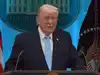
Trump cheers Iran move to open Hormuz, signals easing of Gulf tensions
Donald Trump welcomed Iran’s decision to keep the Strait of Hormuz open for commercial shipping during the ceasefire period, calling it a positive step amid ongoing efforts to ease regional tensions.
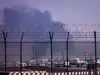
UAE envoy to India flags 2,890 strikes on civilian infra since Feb 28, says 4 million Indian expats integral to nation
The UAE ambassador has reported 2,890 missile and drone attacks. He called these unprovoked strikes and urged stronger international action. The UAE faced these attacks despite not being a direct party to the conflict. These incidents threatened regional stability. UAE air defence systems intercepted most incoming threats. International bodies have called for accountability and reparations.

Why are oil and gas prices down today, and will Brent, US WTI crude futures, Dutch and British wholesale gas rates continue to decline or rise again? Analysts insights and market outlook
Why are oil and gas prices down today, and will Brent, US WTI crude futures, Dutch and British wholesale gas rates continue to decline or rise again? Oil and gas markets moved lower after ceasefire signals and possible US-Iran talks raised hopes of reduced conflict risk. Brent and WTI dropped while European gas also declined. Analysts say supply disruptions still support prices, while weather, wind power and geopolitics will guide the next move.

The invisible hand pushing for peace?
Amidst rising hopes for peace in the Persian Gulf, financial markets exhibit a newfound optimism. Falling crude oil prices signal a shift, with speculations of renewed negotiations between the US and Iran gaining traction. Stock markets are bouncing back, reflecting these positive sentiments.

Europe has 'maybe 6 weeks of jet fuel left', energy agency head warns
Europe faces a critical shortage of jet fuel, with only about six weeks of supply remaining, according to the IEA head. The ongoing Iran war and blocked Strait of Hormuz threaten global energy supplies, potentially leading to flight cancellations and severe economic repercussions, especially for developing nations.

Let oil prices hurt: IMF cautions against govt shielding consumers
The IMF is urging governments to let fuel prices rise, warning that broad subsidies and price caps worsen global energy shocks. Allowing price signals to function encourages demand reduction, which is crucial for market stabilization. Targeted cash transfers are recommended to cushion consumers without distorting global markets.

Iran war exposes cost of Asia's fossil fuel reliance
The latest global energy shock highlights the risks of fuel import dependence, with Bangladesh hit hard by soaring LNG costs after supply disruptions, forcing costly spot purchases. In contrast, Pakistan’s shift to solar reduced reliance on imports and cushioned the impact. The divergence underscores the need for emerging economies to accelerate clean energy adoption to limit exposure to price volatility.

Global growth needs unconstricted energy markets: Jaishankar on Hormuz disruption
India is pushing for safe passage for ships. Attacks on merchant vessels are unacceptable. Global growth needs open energy markets. India will work with partners to build strong supply chains. Japan launched a new initiative to help Asian countries facing fuel shortages. This plan offers financial aid to secure energy supplies and diversify sources.

IMF cautions countries against broad fuel subsidies to deal with war-driven energy shock
Global finances face new pressure from the Middle East conflict. Rising energy prices and interest rates strain economies. The IMF advises against fuel subsidies, favoring direct cash aid. Countries must manage higher energy costs to reduce consumption. Global government debt is projected to reach 100% of GDP by 2029, the highest since World War Two.

IMF, World Bank, IEA urge countries to stop hoarding energy supplies, imposing export controls
Leaders are appealing for energy stocks to flow freely to markets. Countries facing severe impacts are being consulted on supply concerns.

IMF, World Bank and IEA aim to have calls every two weeks to assess war's impact
International Monetary Fund chief Kristalina Georgieva said global institutions plan biweekly calls to monitor energy market disruptions from the Middle East conflict. She also urged countries not to hoard oil or restrict exports to avoid worsening supply shocks.

Why are oil and gas prices down today, and will Brent crude and US WTI crude futures continue to drop or rise again soon? Analysts insights, market outlook and what should investors do now
Why are oil and gas prices down today, and will Brent crude and US WTI crude futures continue to drop or rise again soon? Oil and gas markets moved lower after signals of possible US-Iran talks eased supply fears linked to the Strait of Hormuz blockade. Brent and WTI dropped after sharp gains. Analysts warn that lost oil supply, lower inventories, and uncertain negotiations may still push prices higher again soon.
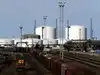
India’s oil security strategy shows structural gaps amid West Asia crisis: Carnegie India
India's oil security framework has come under renewed scrutiny following the escalation of tensions in West Asia in 2026, which disrupted global energy markets and exposed vulnerabilities in the country's import-dependent energy system, according to a report by Carnegie India.

Oil prices fall as US-Iran dialogue hopes ease supply concerns
Oil prices dropped as talks between the U.S. and Iran offered hope for de-escalation. This eased worries about supply disruptions from the U.S. blockade of the Strait of Hormuz. Brent and WTI crude futures saw declines. Analysts suggest tight oil balances could keep prices elevated. International bodies urged nations to avoid hoarding energy supplies.

Trump's Naval blockade of Hormuz is an economic warfare, harms global economy
America threatens a naval blockade in the Strait of Hormuz. This marks a move from diplomacy to economic warfare. The US aims to cut Iran's oil revenue. This strategy seeks to force Iran back to negotiations. However, it carries significant risks of escalation. Global energy markets and international relations face potential instability.

'Ab kya hoga, ye rab jane': Tharoor takes dig at failed US-Iran talks in Pakistan
United States and Iran peace talks in Pakistan have concluded without a deal. Both nations blamed each other for the breakdown. The outcome casts doubt on a two-week ceasefire. The failure dims prospects for reopening the Strait of Hormuz. This critical shipping route impacts global energy markets. The United States may resume military operations against Iran.

The $150 crude oil warning: US-Iran conflict sends shockwaves through global energy markets
Brent crude surged past $100 as the US announced a naval blockade on Iranian ports, escalating the US–Iran conflict and sparking fears of a massive supply shock. Analysts warn prices could jump to $150 if the blockade persists, with up to 12 million barrels a day at risk and global inflation pressures intensifying.
Load More

