



Listen to this article in summarized format
×
Subscribe to

Unlock AI Briefing and Premium Content
New Year Offer 24 Hours Left
Subscribe NowAlready a member? Sign In
What's Included
- Exclusive Stories
- Daily ePaper Access
- Smart Market Tools
- Curated Investment Ideas
- Ad-lite Experience
Subscription

 Reuters
New Delhi: India's oil security framework has come under renewed scrutiny following the escalation of tensions in West Asia in 2026, which disrupted global energy markets and exposed vulnerabilities in the country's import-dependent energy system, according to a report by Carnegie India.
The West Asia crisis has underscored the need for India to move beyond reactive measures and adopt a more resilient and forward-looking energy security framework.
Also Read: Trump’s Hormuz blockade: What’s at stake amid global chaos and ripple risks for India
The report highlights that India's current approach, based on opportunistic diversification and limited use of strategic reserves, remains inadequate to handle sustained supply shocks.
"India requires higher onshore and offshore storage capacities, along with increased private participation, in addition to alternative methods for meeting domestic demand," the report noted.
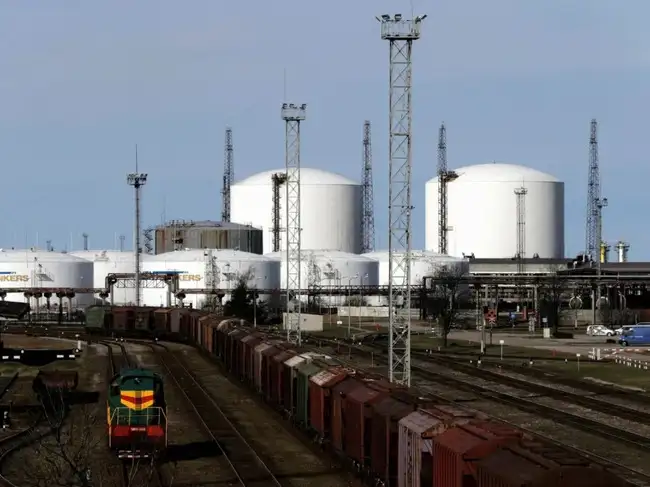
Currently, India's strategic petroleum reserves are estimated to sustain demand for about eight weeks in the event of a complete disruption. This is significantly lower compared to major Asian economies such as China (100 days), Japan (254 days), and South Korea (200 days), which maintain substantially larger stockpiles.
Additionally, India's refinery infrastructure is largely configured for medium-to-heavy crude grades, limiting flexibility in sourcing alternative supplies without significant technological upgrades.
The report notes, "Indian refineries will require modifications or infrastructural changes to process light-grade oil without blending. Such investments will be critical to sustain this in the long term."
Also Read: India gets first Iranian oil in 7 years, ship tracking data shows
Diversifying imports beyond West Asia to regions such as the United States, West Africa, and Latin America would also increase logistical costs and delivery timelines, posing additional economic challenges.
To address these structural gaps, the report recommends expanding strategic reserves, enhancing storage capacity with private sector participation, securing long-term supply contracts, and upgrading refinery capabilities.
In the long term, there is a need for a comprehensive energy transition strategy, including the accelerated adoption of renewable energy, electric vehicles, and biofuels, to reduce dependence on imported crude.
(You can now subscribe to our Economic Times WhatsApp channel)
The West Asia crisis has underscored the need for India to move beyond reactive measures and adopt a more resilient and forward-looking energy security framework.
Also Read: Trump’s Hormuz blockade: What’s at stake amid global chaos and ripple risks for India
The report highlights that India's current approach, based on opportunistic diversification and limited use of strategic reserves, remains inadequate to handle sustained supply shocks.
"India requires higher onshore and offshore storage capacities, along with increased private participation, in addition to alternative methods for meeting domestic demand," the report noted.

Currently, India's strategic petroleum reserves are estimated to sustain demand for about eight weeks in the event of a complete disruption. This is significantly lower compared to major Asian economies such as China (100 days), Japan (254 days), and South Korea (200 days), which maintain substantially larger stockpiles.
Additionally, India's refinery infrastructure is largely configured for medium-to-heavy crude grades, limiting flexibility in sourcing alternative supplies without significant technological upgrades.
The report notes, "Indian refineries will require modifications or infrastructural changes to process light-grade oil without blending. Such investments will be critical to sustain this in the long term."
Also Read: India gets first Iranian oil in 7 years, ship tracking data shows
Diversifying imports beyond West Asia to regions such as the United States, West Africa, and Latin America would also increase logistical costs and delivery timelines, posing additional economic challenges.
To address these structural gaps, the report recommends expanding strategic reserves, enhancing storage capacity with private sector participation, securing long-term supply contracts, and upgrading refinery capabilities.
In the long term, there is a need for a comprehensive energy transition strategy, including the accelerated adoption of renewable energy, electric vehicles, and biofuels, to reduce dependence on imported crude.
Add  as a Reliable and Trusted News Source
as a Reliable and Trusted News Source Add Now!
(You can now subscribe to our Economic Times WhatsApp channel)
(Catch all the Business News, Breaking News and Latest News Updates on The Economic Times.)
Subscribe to The Economic Times Prime and read the ET ePaper online.
Read More News on
(Catch all the Business News, Breaking News and Latest News Updates on The Economic Times.)
Subscribe to The Economic Times Prime and read the ET ePaper online.

