
FOOD SUPPLIES AND CONSUMER AFFAIRS DEPARTMENT

Bengaluru food poisoning: Nearly 100 employees fall sick after eating idli-vada at office canteen; What FSSAI says about these foods you eat daily
In a suspected food poisoning incident in Bengaluru, 97 employees fell ill after consuming fermented foods like idli, vada, and sambar-rice, highlighting serious summer food safety concerns. Experts warn that high temperatures increase the risk of bacterial contamination in fermented foods, making adherence to Food Safety and Standards Authority of India (FSSAI) hygiene and safety guidelines crucial to prevent food-borne illnesses.

South Korea's Lee to seek big boost in economic ties in summit with PM Modi
South Korean President Lee Jae Myung is in New Delhi for talks with Indian Prime Minister Narendra Modi. The visit aims to significantly increase economic ties, focusing on shipbuilding. Both nations plan to nearly double bilateral trade to $50 billion by 2030. Cooperation may also expand into finance, artificial intelligence, and defense. India's role in global production is highlighted.

Direct vs indirect taxes: Key differences and how they impact taxpayers and prices in India
If you are confused by personal finance terms, jargon and calculations, here’s a series to simplify and deconstruct these for you. In the 99th part of this series, Riju Mehta explains the difference between the two types of taxes.

ITC bets big on protein-rich foods, eyes fast-growing health segment market
ITC Ltd is expanding its presence in the protein food segment as part of its health and wellness strategy. The company is introducing unique, affordable protein-focused products across various categories, leveraging consumer insights and innovation. ITC aims to democratize protein products, making them accessible to a wider consumer base and driving future growth.
Bangladesh raises fuel prices as Iran war drives up costs
Bangladesh has made a tough choice to raise fuel prices by up to 15 percent, a direct response to rising crude oil costs and supply interruptions stemming from conflicts in the Middle East. This price hike affects petrol, diesel, and kerosene, reflecting the harsh realities of the global market.

Yogi government to supply 34,000 MW power to consumers across UP
Under the directions of Chief Minister Yogi Adityanath, the Energy Department has prepared a strategy to make approximately 34,000 megawatt (MW) of electricity available this year, keeping peak demand in mind.
- Go To Page 1

PM Narendra Modi to address nation at 8:30 pm after high-level security, economic reviews
Prime Minister Narendra Modi will address the nation tonight. He chaired high-level meetings focusing on West Asia tensions and domestic preparedness. Discussions covered essential supplies like fuel and food. The government is ensuring adequate stocks for upcoming seasons. Contingency plans are in place to manage potential disruptions.
Narendra Modi chairs key CCS, Cabinet meetings in Parliament
Prime Minister Narendra Modi led a crucial cabinet meeting in New Delhi. Discussions focused on economic affairs and security measures. The government reviewed steps to ensure the availability of essential goods like petroleum products, fertilizers, and electricity. The impact of the West Asia conflict on India's economy was also assessed.

Centre relaxes wheat procurement norms for Punjab to counter rain damage
The central government has eased wheat procurement rules for Punjab and Chandigarh for the Rabi Marketing Season 2026-27. This decision follows untimely rains that damaged crops. Relaxations include increased tolerance for lustre loss and shrivelled grains. Punjab officials are ensuring smooth procurement and timely payments to farmers. Opposition parties had criticized the state government for delays in seeking these relaxations.

Why Do Leftovers Lose Their Moisture So Quickly?
Reheating food in the microwave often leads to dry, altered textures due to uneven heat transfer and rapid surface moisture evaporation. Research indicates that low-powered microwaving and steaming can preserve food quality by managing heat and moisture. Achieving safe internal temperatures doesn't require intense heat; even heat distribution ensures both safety and quality.

Around 10.10 lakh passengers travelled to India since February 28 from region amid West Asia tensions, says Govt
India is ensuring smooth functioning across key sectors amidst the West Asia situation. The Petroleum Ministry guarantees uninterrupted fuel and LPG supply. Commercial LPG prioritizes essential services. Refineries operate at high capacity with adequate crude. Indian vessels and seafarers are safe. Flights continue to operate, with many passengers returning. The government is actively monitoring and coordinating efforts.

The invisible hand pushing for peace?
Amidst rising hopes for peace in the Persian Gulf, financial markets exhibit a newfound optimism. Falling crude oil prices signal a shift, with speculations of renewed negotiations between the US and Iran gaining traction. Stock markets are bouncing back, reflecting these positive sentiments.
Indian restaurants' 'slowdown' is ringing up a ₹79,000 cr bill as Iran war chokes LPG supply
The Indian dining scene is looking at a staggering monthly loss of ₹79,000 crore as a result of a commercial LPG shortage. This hiccup is forcing all types of eateries to shut down temporarily or seek alternative cooking methods.

Global growth needs unconstricted energy markets: Jaishankar on Hormuz disruption
India is pushing for safe passage for ships. Attacks on merchant vessels are unacceptable. Global growth needs open energy markets. India will work with partners to build strong supply chains. Japan launched a new initiative to help Asian countries facing fuel shortages. This plan offers financial aid to secure energy supplies and diversify sources.

Attacks on merchant shipping completely unacceptable, says Jaishankar amid West Asia situation
India's External Affairs Minister S Jaishankar has strongly backed safe and unimpeded maritime shipping. He stated that attacks on merchant vessels are unacceptable. This comes as India engages diplomatically on the West Asia conflict. The minister also highlighted India's commitment to energy market supply chain resilience. India is closely monitoring developments in the region.

100% domestic LPG, PNG supply ensured amid West Asia crisis: Govt
India has successfully maintained full supply of Piped Natural Gas and Liquefied Petroleum Gas for homes. This was achieved by prioritising domestic needs during energy disruptions from the West Asia crisis. Commercial LPG supplies have also been restored significantly. The government implemented measures to manage demand and ensure availability for critical sectors and industries.

Indian agricultural sector under threat by trifecta of below-Normal Monsoon, El Nino, and West Asia war: ICRA
India's agriculture sector may face a challenging year ahead amid concerns over weak monsoon, possible El Nino conditions, and fertiliser supply risks linked to the West Asia conflict, according to a report by ICRA.
Aatmanirbhar 2.0 in works to cushion India against supply chain, energy pain
India had unveiled several targeted interventions during the Covid-19 pandemic to ensure availability of several key products and to reduce dependence on imports as part of the Aatmanirbhar initiative.

Iran war impact: Essential drugs may cost up to 5% more, for now
The immediate net consumer impact could be 3-5% higher prices, or roughly similar to what consumers paid before the late-September cuts in GST rates. The industry expects the price increase to be in place for 3-4 months, with a rollback option once input costs stabilise.

Iran war: Six ships turned around as part of Strait of Hormuz blockade, US military says
US-Iran war news: A U.S. naval blockade is in effect around Iran's ports and coastal areas. No ships have successfully passed the blockade. Six merchant vessels have turned back following U.S. military orders. This action follows the breakdown of peace talks between the U.S. and Iran. The blockade impacts vessels going to or from Iran.

US wholesale prices surged 4% last month after the war in Iran sent energy prices soaring
U.S. wholesale prices surged last month as the Iran war drove up the cost of energy.
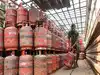
Govt seizes 500 LPG cylinders as India intensifies energy security measures amid Israel-Iran war
The government is taking strong measures to address the LPG shortage and ensure fuel stability. Raids are underway to stop black-marketing, with over 2,950 conducted recently. New PNG connections are expanding, and efforts are made to increase supply of smaller cylinders. Domestic fuel prices are being managed. Repatriation of seafarers and travel for Indian nationals from West Asia are facilitated.

How a US blockade near the Strait of Hormuz could work and the impact ahead for the global economy
A United States blockade of Iranian ports is set to disrupt global oil prices. This move raises concerns about international law and its effectiveness in pressuring Iran. Experts warn of significant challenges in enforcing the blockade. The restrictions could impact the flow of essential goods, leading to higher prices for consumers worldwide.
Advisory to states on crop bonus policy to encourage greater crop diversification: FinMin
In a statement, the finance ministry said the January 9, 2026, letter from the Department of Expenditure Secretary, Ministry of Finance, to chief secretaries of states was an advisory and not a directive, to align their bonus policy to promote pulses, oilseeds, and millets.

Sauce that may be costing lives sold at just Rs 20/litre to vendors: UP food raid seizes over 200 litres of contaminated stock
A food safety raid in Hapur’s Pannapuri led to the sealing of a food manufacturing unit found producing adulterated tomato sauce using vegetable pulp, acid, and banned synthetic colours in unhygienic conditions. The Hapur food safety department raid uncovered around 200 litres of unsafe sauce allegedly sold to local eateries and street vendors at low prices.

US, India agree to further cooperation under Pax Silica
India and the United States are set to deepen their collaboration. Discussions focused on Pax Silica, artificial intelligence, and critical minerals. Foreign Secretary Vikram Misri met with US Under Secretary Jacob Helberg. This engagement aims to strengthen economic and technology ties between the two nations. India joined Pax Silica earlier this year.

Enough rice, wheat stocks for emergency
Food prices remain steady across India. Essential items like grains, pulses, edible oils, and sugar are in good supply. The government assures sufficient buffer stocks for public distribution and emergencies. The FCI is prepared to release more foodgrain if needed to keep prices stable. Consumers can expect continued availability of these vital commodities.

No unusual price volatility despite West Asia tensions, Government says; ample food stocks in place
The government states essential commodity prices are stable despite the West Asia crisis. Sufficient wheat and rice stocks are available for public distribution and emergencies. States are urged to prevent hoarding and black marketing. Daily price monitoring of 40 commodities occurs across India. Production of pulses, onion, potato, and tomato remains strong.
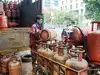
Odisha govt makes e-KYC mandatory to avail cooking gas cylinders in Odisha: Minister
Odisha has made e-KYC mandatory for domestic LPG consumers. This move ensures only genuine customers receive cylinders. The government has also stopped the illegal sale of smaller gas cylinders in the open market. Authorities recently seized 27 LPG cylinders in Dhenkanal district. Legal action will be taken against those involved in black marketing.
Load More

