


Listen to this article in summarized format
×
Subscribe to

Unlock AI Briefing and Premium Content
New Year Offer 24 Hours Left
Subscribe NowAlready a member? Sign In
What's Included
- Exclusive Stories
- Daily ePaper Access
- Smart Market Tools
- Curated Investment Ideas
- Ad-lite Experience
Subscription

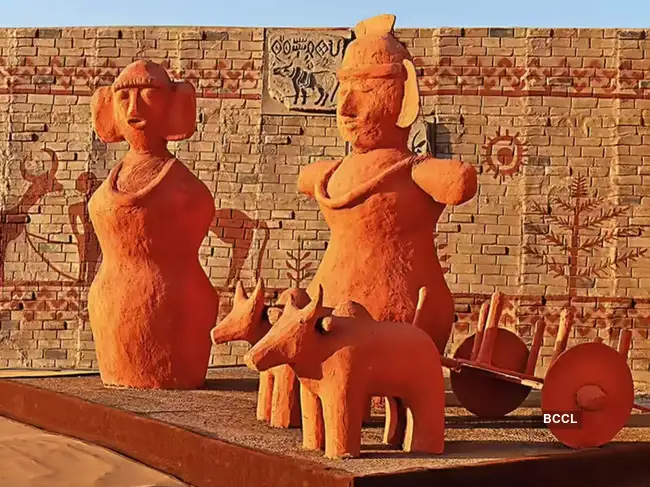
Swap beaches and hill stations for broken pottery, ancient bricks and stories buried 5,000 years deep, India’s archaeological sites might just be the next big thing in travel.
On an unusually bright winter morning, archaeologist Nakul Chhabra drove nearly three hours from Gurugram to Rakhigarhi, Haryana. With him was a small group of history lovers, all curious to see one of the largest sites of the Indus Valley Civilisation up close.
Midway through the journey, two sisters joined the group at Rohtak. Their father, dropping them off, couldn’t understand the excitement.
“He had no idea why his daughters wanted to see a dusty village,” Chhabra told TOI. “But honestly, how many of us truly know the historical importance of places around us beyond our school textbooks?”
By the end of the walk, however, scepticism had turned into fascination. Nearly twenty people, from young students to elderly couples, stood glued to the remains of an ancient civilisation.
“There was an elderly couple who had visited Harappan sites across the border but were seeing Rakhigarhi for the first time,” he laughed, as per TOI.
Archaeological walks, storytelling tours and hands-on workshops are replacing passive museum visits. Travellers don’t just want to read plaques anymore, they want to stand where history actually happened.
This growing curiosity now has official backing.
In the recently announced Union Budget, the government proposed developing sites such as Rakhigarhi, Lothal, Dholavira and Sarnath as dedicated archaeological tourism destinations. Plans include better visitor facilities, curated walkways, interpretive centres and immersive storytelling experiences to make these landscapes more engaging for tourists.
As per TOI, the state’s department of archaeology and museums has partnered with travel groups to conduct over a hundred curated heritage walks in the last two years.
Vinit Bhanwala, a heritage consultant with the department, told TOI that social media has played a big role in drawing attention to the site.
“We try to offer something more than just a site visit,” he said. “That could mean terracotta pottery workshops or a traditional Haryanvi lunch.”
An on-site museum is also expected to open next year, displaying skeletal remains, jewellery and terracotta artefacts discovered during excavations. The newly opened Harappan Knowledge Centre already gives visitors a closer look at the civilisation’s settlement patterns and lifestyle.
Located on Khadir Bet in the Rann of Kutch, the 5,000-year-old site, and UNESCO World Heritage Site, is known for its advanced water management and urban planning.
Interestingly, tourism here blends history with comfort.
Luxury stays like Evoke Dholavira have cropped up near the site, offering curated experiences that combine excavation visits with stargazing, flamingo sightings and local cuisine.
“We’ve invited archaeologists to conduct workshops and talks so visitors can engage more deeply,” Krinal Thaker, marketing manager at Evoke Experiences, told TOI. “For those who don’t want luxury stays, we’ve also set up tent accommodations with Harappan-inspired designs.”
Meanwhile, fresh excavations at Adhichannalur in Tamil Nadu are bringing renewed focus to one of the country’s oldest Iron Age sites.
Delhi-based travel vlogger Ajmal Shaikh, who stopped there during a trip, told TOI he was stunned by the experience.
“Seeing artefacts during a live excavation, without the barrier of glass, felt completely different. It was fascinating,” he said.
Chhabra told TOI that better security and awareness are crucial.
“Only recently have security personnel been posted around some sites,” he said. “Unless locals and visitors understand their importance, it’ll be difficult to protect these places as tourism grows.”
Because once an artefact is picked up or damaged, a piece of history is lost forever.
That mindset now seems to be changing.
From pottery workshops in Haryana to stargazing in Dholavira, archaeological tourism is slowly turning India’s ancient past into its newest travel trend.
And maybe, just maybe, the next weekend getaway won’t be a resort, but a 5,000-year-old civilisation waiting quietly under the dust.
Inputs from TOI
(You can now subscribe to our Economic Times WhatsApp channel)
On an unusually bright winter morning, archaeologist Nakul Chhabra drove nearly three hours from Gurugram to Rakhigarhi, Haryana. With him was a small group of history lovers, all curious to see one of the largest sites of the Indus Valley Civilisation up close.
Midway through the journey, two sisters joined the group at Rohtak. Their father, dropping them off, couldn’t understand the excitement.
“He had no idea why his daughters wanted to see a dusty village,” Chhabra told TOI. “But honestly, how many of us truly know the historical importance of places around us beyond our school textbooks?”
By the end of the walk, however, scepticism had turned into fascination. Nearly twenty people, from young students to elderly couples, stood glued to the remains of an ancient civilisation.

“There was an elderly couple who had visited Harappan sites across the border but were seeing Rakhigarhi for the first time,” he laughed, as per TOI.
Why are Indians suddenly travelling to excavation sites?
What was once considered “boring history” is now slowly becoming an experience.Archaeological walks, storytelling tours and hands-on workshops are replacing passive museum visits. Travellers don’t just want to read plaques anymore, they want to stand where history actually happened.
This growing curiosity now has official backing.
In the recently announced Union Budget, the government proposed developing sites such as Rakhigarhi, Lothal, Dholavira and Sarnath as dedicated archaeological tourism destinations. Plans include better visitor facilities, curated walkways, interpretive centres and immersive storytelling experiences to make these landscapes more engaging for tourists.
Rakhigarhi: From dusty village to history hotspot
In Haryana, Rakhigarhi is quietly transforming.As per TOI, the state’s department of archaeology and museums has partnered with travel groups to conduct over a hundred curated heritage walks in the last two years.
Vinit Bhanwala, a heritage consultant with the department, told TOI that social media has played a big role in drawing attention to the site.
“We try to offer something more than just a site visit,” he said. “That could mean terracotta pottery workshops or a traditional Haryanvi lunch.”
An on-site museum is also expected to open next year, displaying skeletal remains, jewellery and terracotta artefacts discovered during excavations. The newly opened Harappan Knowledge Centre already gives visitors a closer look at the civilisation’s settlement patterns and lifestyle.
Dholavira: History meets luxury travel
Further west in Gujarat, Dholavira has already become a favourite among heritage travellers.Located on Khadir Bet in the Rann of Kutch, the 5,000-year-old site, and UNESCO World Heritage Site, is known for its advanced water management and urban planning.
Interestingly, tourism here blends history with comfort.
Luxury stays like Evoke Dholavira have cropped up near the site, offering curated experiences that combine excavation visits with stargazing, flamingo sightings and local cuisine.
“We’ve invited archaeologists to conduct workshops and talks so visitors can engage more deeply,” Krinal Thaker, marketing manager at Evoke Experiences, told TOI. “For those who don’t want luxury stays, we’ve also set up tent accommodations with Harappan-inspired designs.”
Lothal and beyond: More sites getting attention
At Lothal, near Ahmedabad, plans are underway for a National Maritime Museum Complex that aims to recreate the ancient dockyard town and showcase India’s maritime past.Meanwhile, fresh excavations at Adhichannalur in Tamil Nadu are bringing renewed focus to one of the country’s oldest Iron Age sites.
Delhi-based travel vlogger Ajmal Shaikh, who stopped there during a trip, told TOI he was stunned by the experience.
“Seeing artefacts during a live excavation, without the barrier of glass, felt completely different. It was fascinating,” he said.
But can these sites handle the crowds?
While the buzz is encouraging, experts warn that protection must keep pace with popularity.Chhabra told TOI that better security and awareness are crucial.
“Only recently have security personnel been posted around some sites,” he said. “Unless locals and visitors understand their importance, it’ll be difficult to protect these places as tourism grows.”
Because once an artefact is picked up or damaged, a piece of history is lost forever.
The future of travel may lie in the past
For years, Indians flew abroad to see ruins in Rome or temples in Greece, often ignoring the equally powerful stories buried at home.That mindset now seems to be changing.
From pottery workshops in Haryana to stargazing in Dholavira, archaeological tourism is slowly turning India’s ancient past into its newest travel trend.
And maybe, just maybe, the next weekend getaway won’t be a resort, but a 5,000-year-old civilisation waiting quietly under the dust.
Inputs from TOI
Add  as a Reliable and Trusted News Source
as a Reliable and Trusted News Source Add Now!
(You can now subscribe to our Economic Times WhatsApp channel)
Read More News on
Read More News on












 ETPrime Membership