


 AP
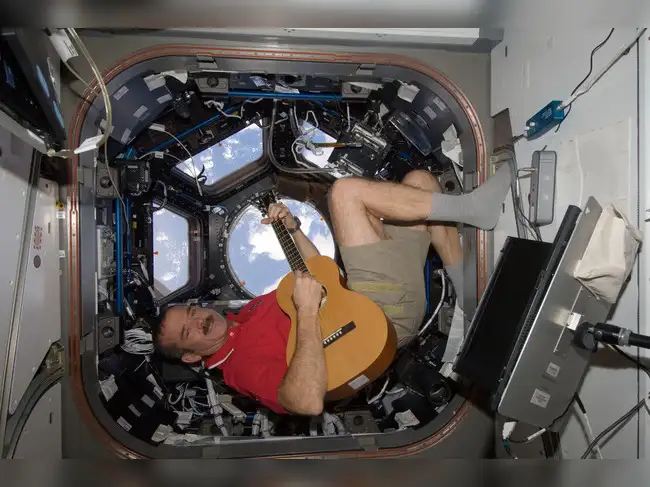
APQuote of the Day by Chris Hadfield on success: Have you ever achieved something early in life, a good grade, a promotion, or recognition only to later struggle when things became more demanding? On the flip side, do you worry that you’re in your 30s, 50s, or any stage of life and can’t recall doing something noteworthy that makes you or your parents proud? Instead of wallowing in self-pity, you should be pretty happy, as some of the legends have gone through exactly this phase.
Early wins can feel empowering, but they can also quietly build overconfidence. When challenges finally arrive, the absence of preparation becomes obvious. The author behind today’s thought-provoking success quote suggests there’s a way to avoid this trap, but first, let’s look at the quote itself.
Quote of the Day on success by Chris Hadfield: “Early success is a terrible teacher. You're essentially being rewarded for a lack of preparation, so when you find yourself in a situation where you must prepare, you can't do it. You don't know how.”
Fame, quick achievements, overnight recognition, and early success often come without the discipline that sustains long-term growth. Quoted by Good Reads, this success quote by Canadian astronaut Chris Hadfield in his book ‘An Astronaut's Guide to Life on Earth’ highlights how initial rewards can sometimes mask gaps in skills, planning, and resilience. When real pressure appears in careers or academics or on a larger scale, like in life, those gaps can create setbacks.
In real life, the advice applies to professionals switching careers, students aiming for some tough exams, individuals pursuing passions later in life or young entrepreneurs with big backing whose first venture works out by chance. Without preparation, the next level becomes harder to navigate because the foundation is weak. The quote suggests that preparation, not luck, builds sustainable confidence.
On the other hand, success at any stage depends less on age and more on preparation. Preparation builds confidence, reduces fear of failure, and allows people to handle unexpected challenges effectively. Whether someone is in their 20s, 40s, or even 60s, consistent effort can still lead to meaningful achievements.
It also quietly pointed out the importance of learning from small struggles in any stage of life. Failures, practice, and discipline help develop adaptability. Instead of relying on natural ability alone, consistent effort ensures that when difficult situations arise, individuals are ready to handle them calmly and effectively.
The outlet notes famous quotes by Chris Hadfield:
Chris Hadfield is a retired Canadian astronaut, engineer, and former commander of the International Space Station. Often described as the “most famous astronaut since Neil Armstrong,” he became widely known for making space exploration accessible to the public through educational videos, social media, and public speaking.
Before becoming an astronaut, Hadfield served as a tactical fighter pilot with the Canadian Armed Forces and flew more than 70 types of aircraft, as per his website. In 1995, he became the first Canadian to walk in space and later commanded the International Space Station in 2013, earning global admiration for his leadership and outreach efforts.
Hadfield’s legacy extends beyond spaceflight. He helped spark global curiosity about science and exploration by sharing everyday life in orbit, including his widely viewed performance of “Space Oddity” recorded in space. His communication style transformed astronauts into relatable educators for millions.
Through books, lectures, and educational programs, he continues to inspire people to pursue preparation, curiosity, and lifelong learning. His ideas emphasize discipline, resilience, and thoughtful planning, principles that apply equally on Earth and in space.
(You can now subscribe to our Economic Times WhatsApp channel)
Early wins can feel empowering, but they can also quietly build overconfidence. When challenges finally arrive, the absence of preparation becomes obvious. The author behind today’s thought-provoking success quote suggests there’s a way to avoid this trap, but first, let’s look at the quote itself.
Quote of the Day by Chris Hadfield on success
Quote of the Day on success by Chris Hadfield: “Early success is a terrible teacher. You're essentially being rewarded for a lack of preparation, so when you find yourself in a situation where you must prepare, you can't do it. You don't know how.”
Quote of the Day by Chris Hadfield: What Chris Hadfield’s quote on success means
Fame, quick achievements, overnight recognition, and early success often come without the discipline that sustains long-term growth. Quoted by Good Reads, this success quote by Canadian astronaut Chris Hadfield in his book ‘An Astronaut's Guide to Life on Earth’ highlights how initial rewards can sometimes mask gaps in skills, planning, and resilience. When real pressure appears in careers or academics or on a larger scale, like in life, those gaps can create setbacks.

Chris Hadfield’s insight is especially relevant today, where social media and fast-paced professional environments celebrate immediate outcomes. The message encourages individuals to focus not just on winning early but also on building strong habits, learning consistently, and preparing for uncertainty.
Chris Hadfield’s quote’s relevance in real life and finding success at any stage of life
In real life, the advice applies to professionals switching careers, students aiming for some tough exams, individuals pursuing passions later in life or young entrepreneurs with big backing whose first venture works out by chance. Without preparation, the next level becomes harder to navigate because the foundation is weak. The quote suggests that preparation, not luck, builds sustainable confidence.
On the other hand, success at any stage depends less on age and more on preparation. Preparation builds confidence, reduces fear of failure, and allows people to handle unexpected challenges effectively. Whether someone is in their 20s, 40s, or even 60s, consistent effort can still lead to meaningful achievements.
It also quietly pointed out the importance of learning from small struggles in any stage of life. Failures, practice, and discipline help develop adaptability. Instead of relying on natural ability alone, consistent effort ensures that when difficult situations arise, individuals are ready to handle them calmly and effectively.
Chris Hadfield’s quotes
The outlet notes famous quotes by Chris Hadfield:
- “Anticipating problems and figuring out how to solve them is actually the opposite of worrying: it’s productive.”
- "Decide in your heart of hearts what really excites and challenges you, and start moving your life in that direction. Every decision you make, from what you eat to what you do with your time tonight, turns you into who you are tomorrow, and the day after that. Look at who you want to be, and start sculpting yourself into that person. You may not get exactly where you thought you'd be, but you will be doing things that suit you in a profession you believe in. Don't let life randomly kick you into the adult you don't want to become.”
- “I wasn’t destined to be an astronaut. I had to turn myself into one.”
- “To me, it’s simple: if you’ve got the time, use it to get ready.”
- “Sweat the small stuff. Without letting anyone see you sweat.”
- “In my experience, fear comes from not knowing what to expect.”
Who is Chris Hadfield?
Chris Hadfield is a retired Canadian astronaut, engineer, and former commander of the International Space Station. Often described as the “most famous astronaut since Neil Armstrong,” he became widely known for making space exploration accessible to the public through educational videos, social media, and public speaking.
Before becoming an astronaut, Hadfield served as a tactical fighter pilot with the Canadian Armed Forces and flew more than 70 types of aircraft, as per his website. In 1995, he became the first Canadian to walk in space and later commanded the International Space Station in 2013, earning global admiration for his leadership and outreach efforts.
Chris Hadfield’s legacy
Hadfield’s legacy extends beyond spaceflight. He helped spark global curiosity about science and exploration by sharing everyday life in orbit, including his widely viewed performance of “Space Oddity” recorded in space. His communication style transformed astronauts into relatable educators for millions.
Through books, lectures, and educational programs, he continues to inspire people to pursue preparation, curiosity, and lifelong learning. His ideas emphasize discipline, resilience, and thoughtful planning, principles that apply equally on Earth and in space.
Add  as a Reliable and Trusted News Source
as a Reliable and Trusted News Source Add Now!
(You can now subscribe to our Economic Times WhatsApp channel)

