
YELLOWSTONE ECOSYSTEM RESTORATION
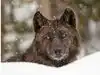
In 1995, 31 grey wolves returned to Wyoming's Yellowstone Park; decades later, 9 beaver colonies are thriving as willow forests recover and erosion risks fall
In 1995, wildlife experts decided to reintroduce the grey wolf in Yellowstone Park, Wyoming. What followed was nothing short of a miracle. It did not just have a positive impact on the beaver population but also transformed the vegetation and the ecosystem altogether. Waterways changed, vegetation sprouted again, and long-struggling species found new chances to flourish.
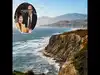
Tech billionaires Jack and Laura Dangermond donated $165 million to protect a stunning 24,000-acre stretch of California coastline visible from space
Jack and Laura Dangermond have made a monumental donation of $165 million to The Nature Conservancy, ensuring the permanent protection of the stunning 24,000-acre Cojo/Jalama Ranch. This property boasts eight miles of pristine coastline and a rich variety of ecosystems. Renowned for founding Esri, a leader in geographic information systems, their generosity sets a positive example amidst ongoing controversies involving other tech moguls and their coastal estates.
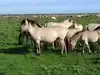
In the 1980s, Dutch ecologists released cattle, horses, and deer into a fenced polder to recreate “wild Europe”; in one winter, its herds collapsed
Oostvaardersplassen's ambitious rewilding project sought to revive Europe’s ecological history with the introduction of tough native species in a serene, human-free setting. Yet, facing severe winters, many animals succumbed to starvation, spurring public protests and raising ethical questions about our role in nature. The venture ultimately faltered, serving as a poignant reminder of the complexities of ecosystem restorations and the importance of fully integrated conservation strategies.
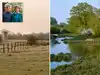
A couple gave up on a failing Sussex farm, pulled out the fences and let 3,500 acres go feral; it became the template for British rewilding
A British farm, once burdened by debt, became a successful rewilding project. Free-roaming herbivores were introduced to restore the land's natural processes. Bird and butterfly populations significantly increased after the rewilding efforts began. This project demonstrates that damaged land can recover within a human lifetime. Similar initiatives are now underway on the American prairie.
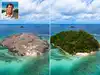
In 1962, a former newspaper editor bought a barren Seychelles island for $11,000; over the next 46 years, he planted 16,000 trees by hand and turned it into the world's smallest national park
Brendon Grimshaw bought Moyenne Island in 1962 and spent decades transforming it. He and René Antoine Lafortune planted sixteen thousand trees and introduced giant tortoises. Grimshaw refused lucrative offers, instead working to make Moyenne a national park. This tiny island now serves as the world's smallest protected area. His vision continues through the Moyenne Island Foundation today.
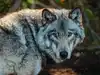
In 1995, 14 wolves were reintroduced to Yellowstone to heal a damaged ecosystem; decades later, researchers are challenging one of the most celebrated predator stories in American ecology
Yellowstone's wolf reintroduction success story faces a scientific challenge. New analysis suggests the dramatic impact on willow growth was exaggerated. While wolves do influence the ecosystem, their effect is less pronounced than previously claimed. This revision offers a more nuanced understanding of ecological recovery, highlighting multiple contributing factors beyond just predators.
- Go To Page 1
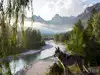
The Wolves That Changed a River: What Yellowstone Taught Scientists
Yellowstone's ecosystem is showing remarkable recovery following the reintroduction of gray wolves in 1995. Their presence has reshaped elk behavior, leading to the regeneration of vital riparian vegetation. This regrowth has stabilized stream banks, deepened river channels, and fostered a resurgence of beaver populations, demonstrating the profound impact of apex predators on the landscape.
Load More

